
Conflict – Civilian Toll Rises as Children Killed in Lebanon Strikes
Conflict – An ordinary afternoon of play turned into tragedy for 11-year-old Jawad Younes, whose life was cut short in an airstrike that struck his family’s neighborhood in southern Lebanon. Moments before the explosion, Jawad had briefly stepped away from a football game to take his younger brother home. When he returned to join his cousins, a missile hit his uncle’s house nearby, killing him instantly along with a cousin he was especially close to.
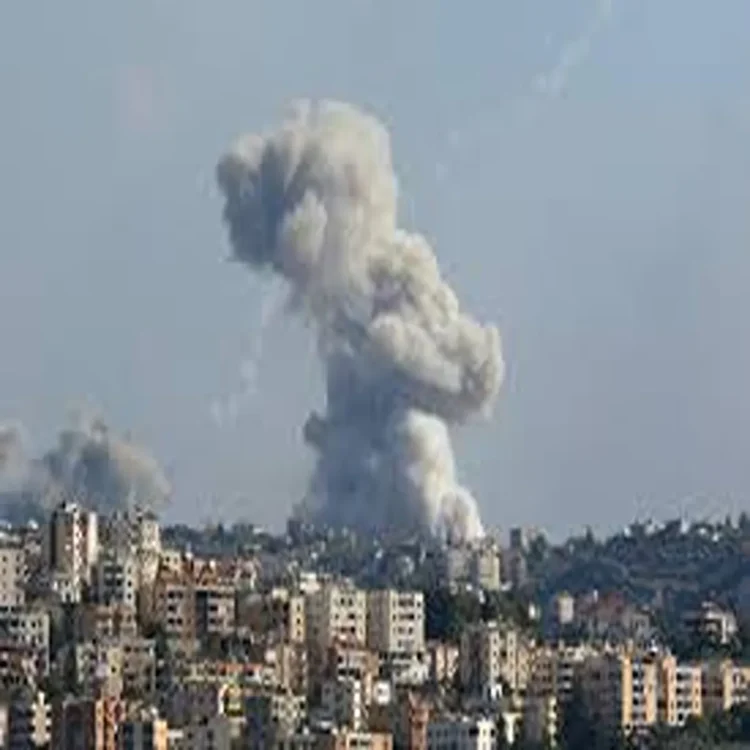
Families Caught in Sudden Violence
The blast not only destroyed the targeted home but also shook surrounding buildings, throwing Jawad’s siblings to the ground inside their house. His mother, Malak Meslmani, recalled the chaos and fear as she rushed to help her children. Amid the confusion, she said she instinctively called out for Jawad, sensing something was wrong. Her fears were confirmed soon after.
Jawad’s uncle, who was also killed in the strike, worked as an interior design engineer and had inspired the boy’s own ambitions. The family described themselves as civilians, though they acknowledged their support for Hezbollah, a powerful political and militant group in Lebanon.
Rising Number of Child Casualties
Jawad and his cousin are among dozens of children reported killed during recent weeks of escalating hostilities between Israel and Hezbollah. According to available figures, more than 2,100 people have died in the renewed fighting, including at least 168 children.
Israeli forces have stated that their operations target Hezbollah members and infrastructure. However, many strikes have hit residential buildings, often without prior warning, raising concerns about civilian safety. Families affected by these attacks have accused Israel of disproportionate force and violations of international law.
Questions Over Targeting and Proportionality
The Israeli military maintains that it follows international legal standards, including distinguishing between civilian and military targets and minimizing harm where possible. Officials argue that Hezbollah’s presence within civilian areas complicates operations and increases the risk of unintended casualties.
Legal experts note that assessing the legality of such strikes requires detailed information about the intended targets and the precautions taken. Without that transparency, determining whether the level of force used was proportionate remains difficult.
Children Among the Most Vulnerable
In another incident, nearly four-year-old Taline Shehab was killed when a missile strike caused her apartment building near Beirut to collapse. She had been asleep at the time. Her father also died in the attack, while her mother suffered severe injuries.
Relatives described Taline as a lively child who shared a strong bond with her father. Their deaths have left the family struggling to cope with the loss. Medical professionals working in Lebanon report that many injured children arrive with severe trauma, often caused by collapsing structures during airstrikes.
Lives Marked by Repeated Loss
For some families, the current violence echoes earlier tragedies. Hassan al-Jabali, whose 10-year-old daughter Zeinab was killed in another strike, recalled losing his brother in similar circumstances decades ago. His wife and other daughters were injured in the same attack that claimed Zeinab’s life.
The strike occurred while the family was preparing an evening meal during Ramadan. Al-Jabali said he rushed to the scene after hearing the explosion, only to find devastation. He has yet to tell his recovering wife about their daughter’s death, fearing the emotional shock could worsen her condition.
Grief and Divided Perspectives
While some Lebanese citizens have criticized Hezbollah’s role in escalating tensions, others say the destruction has only strengthened their support for the group. In towns like Saksakieh, many residents chose to remain despite warnings to evacuate, seeking refuge from more heavily targeted areas.
For grieving families, the broader political debate offers little comfort. Jawad’s mother now visits his grave regularly, reflecting on memories of his daily life. The sound of aircraft overhead no longer frightens her, she said, as the loss she carries feels greater than any threat.
The continuing conflict has left deep scars across communities, with children and families bearing much of the human cost.