
ClimateChange – India’s Relentless Heat Wave Forces Daily Life Into Survival Mode
ClimateChange – Large parts of northern India are struggling under an intense heat wave that has disrupted daily routines, forced changes in work schedules, and raised fresh concerns about the growing impact of climate change across the country.
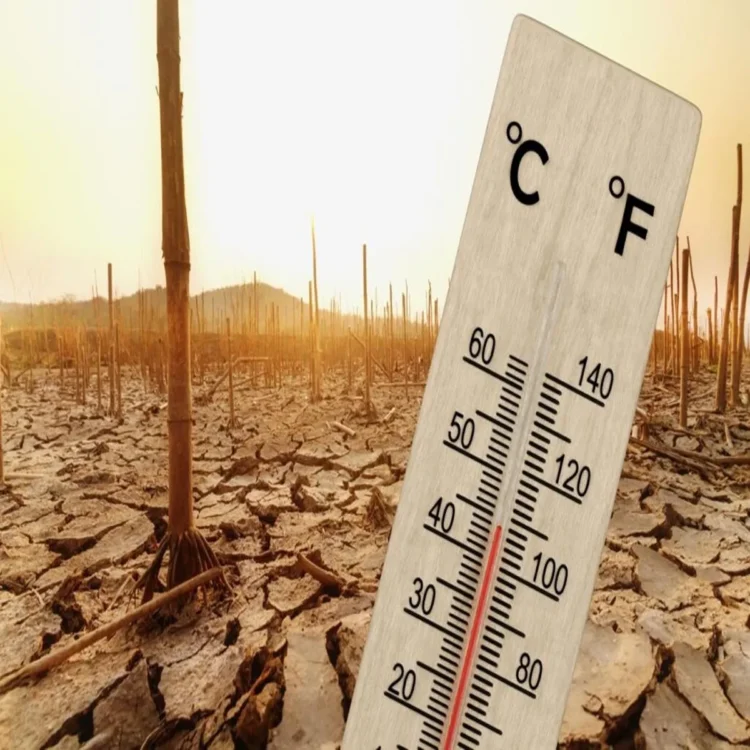
Temperatures in several cities continued to remain dangerously high this week, with the India Meteorological Department predicting that New Delhi could experience temperatures close to 45 degrees Celsius. Authorities in the national capital have responded by setting up temporary cooling shelters to help residents and visitors cope with the severe weather conditions.
Heat Forces Major Changes Across Northern States
The prolonged spell of extreme heat has significantly affected daily life in many parts of northern India. Afternoon streets in several towns have become unusually deserted as people avoid stepping outside during peak daytime hours.
In Uttar Pradesh, one of the country’s most densely populated states, many local markets and roadside businesses have reduced operations during the afternoon due to unbearable temperatures. Shopkeepers and traders are instead starting work earlier in the day to avoid the harsh conditions.
Farmers in some districts have also altered their routines, choosing to work late at night or before sunrise. Many agricultural workers say daytime temperatures have become too intense for outdoor labor.
The weather department has warned that the heat wave is expected to continue in several northern regions over the coming days, with temperatures remaining above normal seasonal levels.
Schools and Public Services Affected
Educational institutions have also been impacted by the rising temperatures. In several districts, authorities announced early summer holidays after temperatures climbed sharply.
The city of Banda in Uttar Pradesh recorded a maximum temperature of 48.2 degrees Celsius earlier this week, making it one of the hottest locations in the region. Following the severe heat, local administrations suspended classes in some areas to protect students and staff from health risks linked to prolonged exposure to high temperatures.
Health officials have repeatedly advised citizens to stay indoors during the hottest part of the day, drink sufficient water, and immediately seek medical attention if symptoms such as dehydration, dizziness, or fever appear.
Cooling Shelters Provide Temporary Relief
In New Delhi, specially arranged cooling shelters have become an important source of relief for people struggling with the intense weather. These temporary facilities include shaded resting areas equipped with fans, air coolers, drinking water, and oral rehydration solutions.
Many residents and tourists visited the shelters during the peak afternoon heat. Volunteers and officials distributed water mixed with rehydration salts to help prevent dehydration.
One visitor, Basharat Ahmad Malla, said the shelter offered much-needed comfort during his trip to the capital. He noted that outdoor conditions had become extremely difficult because of the heat, while the cooling arrangements inside the shelter provided relief.
Experts Link Rising Heat to Climate Change
Climate researchers and environmental experts say the recurring heat waves are closely connected to long-term climate change trends affecting the Indian subcontinent.
According to experts, India has witnessed a steady rise in average temperatures over recent years, with many of the country’s warmest recorded years occurring within the last decade. Northwestern regions, in particular, have experienced faster warming compared to several other parts of the country.
Anjal Prakash, a public policy professor at Pune-based Flame University and contributor to multiple United Nations climate reports, said human-driven climate change has intensified the frequency and severity of heat events across India.
He explained that while extreme summer temperatures have always been part of India’s climate, changing weather patterns are now increasing the likelihood of longer and more intense heat waves.
Growing Health Concerns
Public health experts continue to warn about the dangers posed by extreme temperatures, especially for outdoor workers, elderly citizens, and people without access to cooling facilities.
Research conducted over the past several years found that more than a thousand people on average died annually between 2008 and 2019 due to heat-related causes. However, experts believe the actual number could be much higher because heat exposure is often not officially recorded as the primary cause of death.
Authorities across affected states remain on alert as the heat wave continues, urging citizens to take precautions and avoid unnecessary exposure to the sun.