
Infrastructure – Delhi Dehradun Expressway Cuts Travel Time Significantly
Infrastructure – The newly inaugurated Delhi–Dehradun expressway is set to transform regional travel by reducing journey duration and improving connectivity between the two cities.
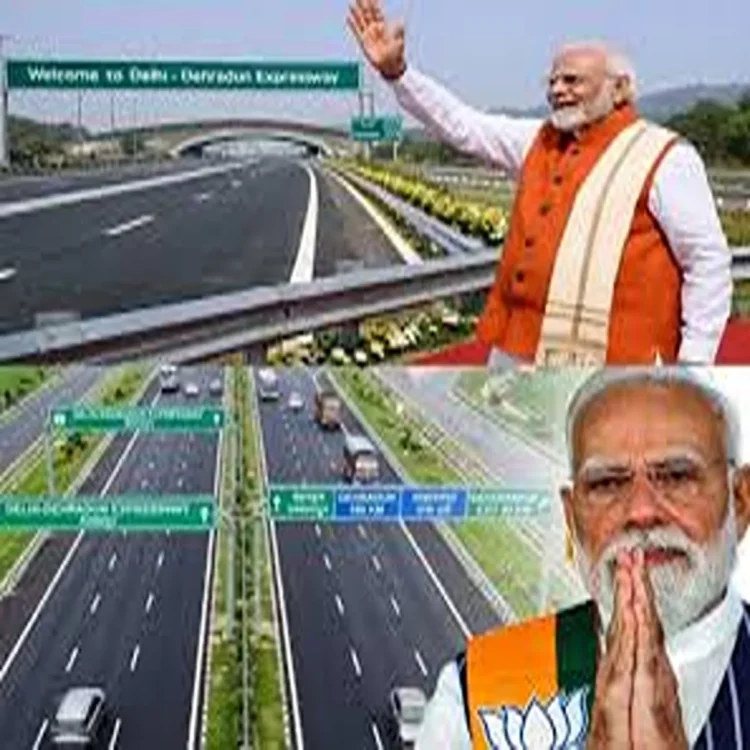
The launch of the Delhi–Dehradun expressway on Tuesday marks a major step forward in enhancing connectivity between the national capital and Uttarakhand. Chief Minister Rekha Gupta, who attended the inauguration, highlighted that travel time between Delhi and Dehradun will now drop sharply—from nearly six hours to about two-and-a-half hours. The development is expected to make travel faster, smoother, and more reliable for daily commuters and tourists alike.
Major Boost to Regional Connectivity
Speaking at the event, Gupta described the expressway as a crucial infrastructure project that will significantly improve movement between the two regions. With reduced travel time, the highway is likely to ease congestion on existing routes while offering a more efficient alternative for passengers and transport services.
The expressway, constructed at an estimated cost of Rs 12,000 crore, is designed to support high-speed travel while maintaining safety and environmental standards. Officials believe the improved connectivity will encourage more frequent travel, especially for those commuting between Delhi and Uttarakhand for work or leisure.
Government Highlights Infrastructure Push
The chief minister emphasized the broader progress in infrastructure development, stating that road projects worth approximately Rs 1.25 lakh crore have been undertaken in Delhi over the past year. She credited coordinated efforts between the central and state governments for accelerating development work across the capital.
According to her, this collaboration has played a key role in transforming Delhi’s road network, making it more modern and efficient. Several important roads have also been handed over to national authorities to ensure better maintenance and faster upgrades, contributing to improved traffic management.
Impact on Tourism and Economy
The expressway is expected to bring considerable benefits to tourism, especially in Uttarakhand, which is known for its religious and natural attractions. With shorter travel times, more visitors are likely to plan trips to Dehradun and nearby destinations, boosting local businesses and hospitality services.
Gupta described the project as more than just a transportation initiative, calling it a link between urban development and the cultural significance of Uttarakhand. The improved route is likely to encourage pilgrimage travel as well, offering easier access to spiritual destinations in the region.
Expanding National Highway Network
Highlighting the country’s infrastructure growth, the chief minister pointed out that India’s expressway and high-speed corridor network has now crossed 3,000 kilometers. In addition, the national highway network has expanded significantly—from around 51,000 kilometers to nearly 1,46,000 kilometers in recent years.
This expansion reflects a strong focus on building modern road infrastructure to support economic growth and regional development. Improved highways not only reduce travel time but also enhance logistics efficiency, benefiting industries and trade.
Faster Development Through Coordinated Governance
Gupta also referred to the concept of coordinated governance between different levels of administration, noting that such alignment has helped speed up project execution. She stated that better coordination has enabled quicker decision-making and smoother implementation of large-scale infrastructure projects.
As Delhi continues to expand, projects like the Delhi–Dehradun expressway are expected to play a vital role in shaping the city’s future. By improving connectivity and reducing travel time, the expressway stands as an important milestone in the ongoing effort to modernize India’s transportation network.