
Airport Transition – Bhogapuram Shift Raises Employment Concerns for Visakhapatnam Airport Staff
Airport Transition -As Visakhapatnam prepares for the transfer of commercial flight operations to the upcoming Alluri Sitarama Raju International Airport at Bhogapuram, attention has turned to the future of hundreds of contractual workers currently serving at the city’s existing airport. Authorities have begun efforts to ensure that employees affected by the transition receive assistance in securing alternative employment as civil aviation activities gradually move to the new facility.
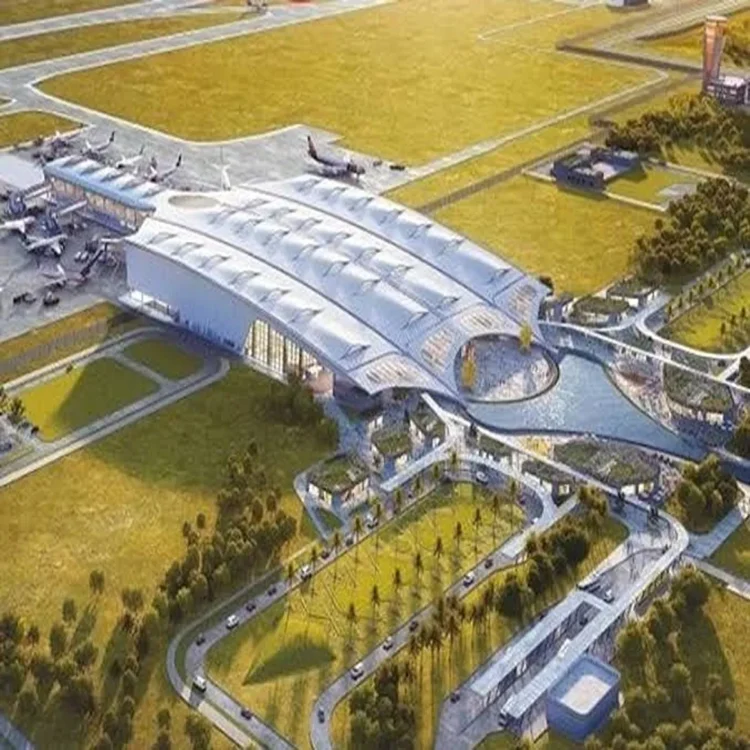
Committee Reviews Employee Rehabilitation Measures
The issue was discussed during a meeting of the Airport Advisory Committee (AAC), chaired by Visakhapatnam Member of Parliament M Sribharat. Along with reviewing the airport’s operational performance, the committee focused on developing a structured plan to support contractual employees whose jobs may be impacted after passenger services shift to Bhogapuram.
Airport Director N Purushottam briefed committee members on several operational aspects, including passenger movement, cargo activities, infrastructure status and other ongoing developments. The committee also assessed the progress made on decisions taken during its previous meeting.
Contract Workers’ Future Takes Centre Stage
A major portion of the discussions revolved around workers employed through various contracting agencies across multiple airport services. Representatives from housekeeping, passenger assistance, support for passengers with reduced mobility, DigiYatra services, electrical and civil maintenance, plumbing, information technology, motor transport, ground handling and commercial establishments operating within the airport participated in the interaction.
Recognising the uncertainty surrounding their employment after operations relocate to the new airport, MP Sribharat instructed airport authorities to compile a comprehensive database of all contractual employees. The information will classify workers according to their skills, work experience and areas of expertise, making it easier to connect them with suitable employers.
Employment Opportunities Beyond the Airport
According to the committee’s plan, the employee database will be shared through the MP’s office with organisations such as GMR, hotel industry associations, chambers of commerce and other industrial establishments. The objective is to identify suitable vacancies and help affected workers find new employment based on their qualifications and experience.
Sribharat assured employees that every possible effort would be made to support their rehabilitation during the transition period. He also said discussions would continue with business organisations and industries across the region to create additional employment opportunities for workers who may not be absorbed immediately at the new airport.
The meeting was attended by representatives from the Central Industrial Security Force (CISF), district administration, State police, airline operators, local authorities and several other stakeholders associated with airport operations.
Historic Shift in Civil Aviation
Airport Advisory Committee member O Naresh Kumar described the transition as the end of a significant phase in the history of Visakhapatnam’s civil aviation services. He acknowledged the role played by successive Members of Parliament in expanding airport infrastructure and strengthening air connectivity over the years.
He noted that the airport had achieved several important milestones during its decades of operation and said equal importance should now be given to protecting the livelihoods of employees affected by the relocation of civil operations.
Call for Future Development of Existing Airport Land
Naresh Kumar also urged the Andhra Pradesh government to prepare a long-term development strategy for the existing 366-acre airport land once commercial operations conclude. He suggested that the site could continue contributing to the aviation sector through regional aviation services, business aviation, maintenance, repair and overhaul (MRO) facilities, or cargo operations, depending on future aviation requirements and regional economic growth.
He said thoughtful planning for the land’s future use would help preserve its strategic value while supporting aviation-related development in the years ahead