
FloodControl – Delhi Approves Protective Wall to Shield Yamuna Flood-Prone Areas
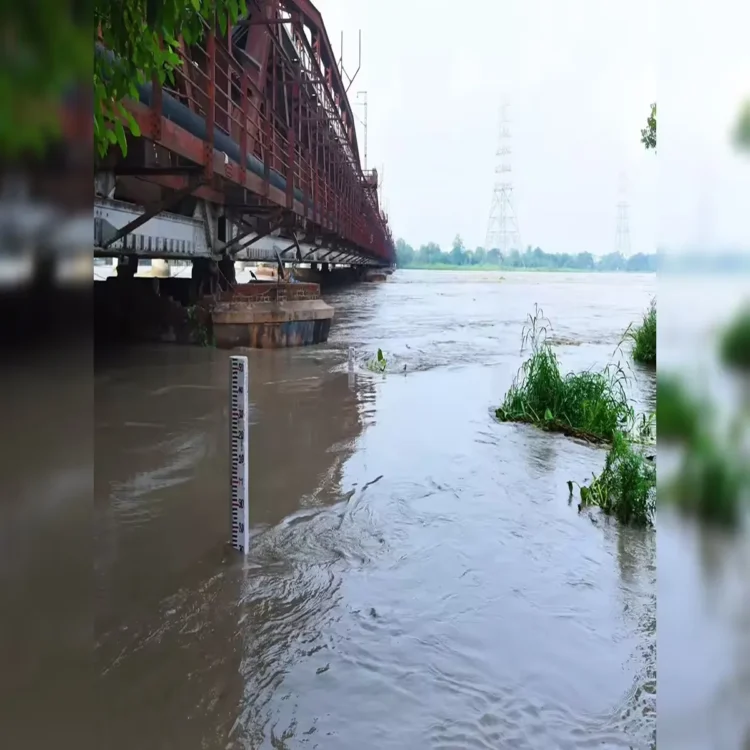
FloodControl – In a significant step toward addressing recurring flood threats, the Delhi government has approved the construction of a protective wall along a vulnerable stretch of the Ring Road near the Yamuna river. The project, spanning 4.72 kilometres from Majnu Ka Tila to the Old Railway Bridge, aims to be completed before the onset of the next monsoon season.
Long-standing Flood Concerns Prompt Action
The decision comes after years of repeated flooding in low-lying areas along the Yamuna. Authorities noted that neighbourhoods such as Civil Lines, Kashmere Gate, Yamuna Bazaar, and Majnu Ka Tila have faced frequent disruptions whenever water levels rise. Seasonal flooding has often submerged sections of the Ring Road, severely affecting transport and daily life in the capital.
Chief Minister Rekha Gupta stated that the move represents a shift toward a more durable and long-term solution. Rather than relying on temporary arrangements, the proposed wall is intended to act as a permanent barrier, reducing the likelihood of floodwaters entering residential zones.
Historical Patterns Highlight Urgency
Flooding along this stretch is not a recent phenomenon. Records show that the area has been vulnerable for decades, with major incidents dating back to 1978. More recently, the city experienced severe flooding in 2023 and again in 2025, reinforcing concerns about the adequacy of existing flood control systems.
Government data indicates that the Yamuna reached a record level of 208.66 metres in 2023, surpassing the previous high recorded in 1978. In 2025, water levels again exceeded the danger mark of 205.33 metres, reaching 207.48 metres. These repeated surges have highlighted the growing risks posed by extreme weather patterns and rising river levels.
Expert Recommendations Shape Project Design
The approved plan is based on findings from a detailed report submitted in August 2024 by the Joint Flood Committee. The report incorporated advanced hydraulic modelling and technical assessments conducted by experts from the Central Water and Power Research Station in Pune.
According to officials, the study identified the construction of a flood protection wall along this section of the Ring Road as the most effective long-term solution. The analysis also underscored the limitations of existing embankments, which were found insufficient to handle future flood scenarios.
Multi-layered Benefits Beyond Flood Control
Beyond preventing water overflow, the proposed wall is expected to deliver several additional benefits. Authorities believe it will help reduce soil erosion along the riverbanks, thereby protecting nearby roads and infrastructure foundations from long-term damage.
The structure is also likely to discourage illegal dumping of waste along the Yamuna’s banks. By creating a defined barrier, officials aim to preserve the floodplain and support efforts to maintain the ecological balance of the river environment.
Focus on Timely Execution
With the monsoon season posing an annual risk, the government has set a clear deadline to complete the project before heavy rains begin. Officials have emphasized the importance of timely execution to ensure that vulnerable areas receive protection as soon as possible.
The initiative reflects a broader effort to strengthen urban resilience in Delhi, particularly in areas that have historically been exposed to natural risks. By adopting a more structured and long-term approach, authorities aim to reduce disruptions and improve safety for residents living near the river.
This development marks a notable step in the city’s ongoing efforts to manage flood risks more effectively while safeguarding both infrastructure and communities.