
RussiaChinaTies – Lavrov Visits Beijing for Talks on Global Conflicts
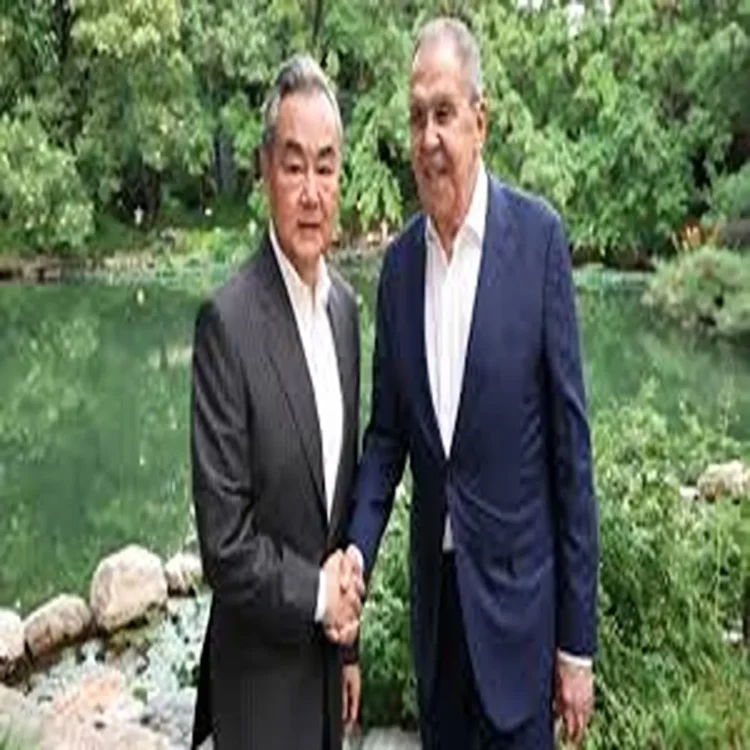
RussiaChinaTies – Russia’s Foreign Minister Sergei Lavrov reached Beijing on Tuesday for a two-day official visit aimed at strengthening bilateral ties and discussing pressing international issues, including the ongoing conflicts in Ukraine and the Middle East.
Focus on Expanding Bilateral Cooperation
According to official statements released ahead of the visit, Lavrov is scheduled to hold detailed discussions with Chinese Foreign Minister Wang Yi. The talks are expected to cover a wide range of topics, from economic collaboration to strategic coordination between the two countries.
Both sides are likely to review progress in existing partnerships while exploring opportunities for further cooperation in trade, energy, and regional connectivity. The visit reflects continued efforts by Moscow and Beijing to maintain close diplomatic engagement amid shifting global dynamics.
Coordination in Multilateral Platforms
A key part of the discussions will involve coordination within major international forums. Officials have indicated that the two ministers will exchange views on joint efforts in organizations such as the United Nations, BRICS, the Shanghai Cooperation Organisation, the G20, and APEC.
These platforms are seen as important avenues for both nations to align their positions on global governance, economic stability, and security challenges. The meeting is also expected to lay the groundwork for future high-level exchanges between the two countries.
Addressing Regional and Global Conflicts
The ongoing conflict in Ukraine is likely to be a central topic during the talks. Both countries have previously expressed their perspectives on the situation, and the visit offers an opportunity for further dialogue on possible diplomatic approaches.
In addition to Ukraine, the situation in West Asia, particularly the tensions in the Middle East, will also feature prominently in the discussions. Officials have suggested that both sides will engage in a detailed exchange of views on these issues, reflecting their shared interest in regional stability.
China’s Position on the Visit
China’s Foreign Ministry has confirmed that the meeting will include discussions on strengthening bilateral relations and addressing international concerns of mutual interest. Spokesperson Guo Jiakun stated that both sides will aim to coordinate their positions on key global matters.
The visit highlights the importance both nations place on maintaining open communication channels, especially at a time when geopolitical tensions remain high in several parts of the world.
Concerns Over Maritime Tensions
Meanwhile, developments involving the Strait of Hormuz have added another layer of complexity to the global situation. Russian presidential spokesperson Dmitry Peskov has indicated that potential disruptions in this critical waterway could have adverse effects on international markets.
He noted that any prolonged restrictions or instability in the region could impact global trade and energy supplies. However, he also acknowledged that details surrounding recent developments remain unclear, urging caution in making definitive assessments.
Rising Tensions Involving the United States
The situation escalated further after the United States announced plans to enforce a maritime blockade affecting vessels linked to Iranian ports. The move came following unsuccessful negotiations between Washington and Tehran over key issues, including Iran’s nuclear programme.
This development has raised concerns about increased tensions in the region and potential consequences for global shipping routes. Analysts believe such actions could contribute to volatility in energy markets and international trade.
A Visit Amid Uncertain Global Landscape
Lavrov’s visit to China comes at a time when global uncertainties continue to shape diplomatic engagements. With multiple conflicts and economic challenges unfolding simultaneously, the meeting underscores the importance of dialogue and coordination between major powers.
The outcome of these discussions may play a role in shaping future diplomatic strategies and responses to ongoing international crises.