
ICC – International Criminal Court Removes Chief Prosecutor Karim Khan After Misconduct Vote
ICC – The International Criminal Court (ICC) has formally removed Chief Prosecutor Karim Khan from office after member states overwhelmingly voted in favor of his dismissal following findings of serious misconduct. The decision represents an unprecedented moment in the court’s history, marking the first time that an ICC chief prosecutor has been removed through such a process. Khan, a British lawyer, has repeatedly denied all allegations made against him and continues to reject the conclusions reached during the investigation.
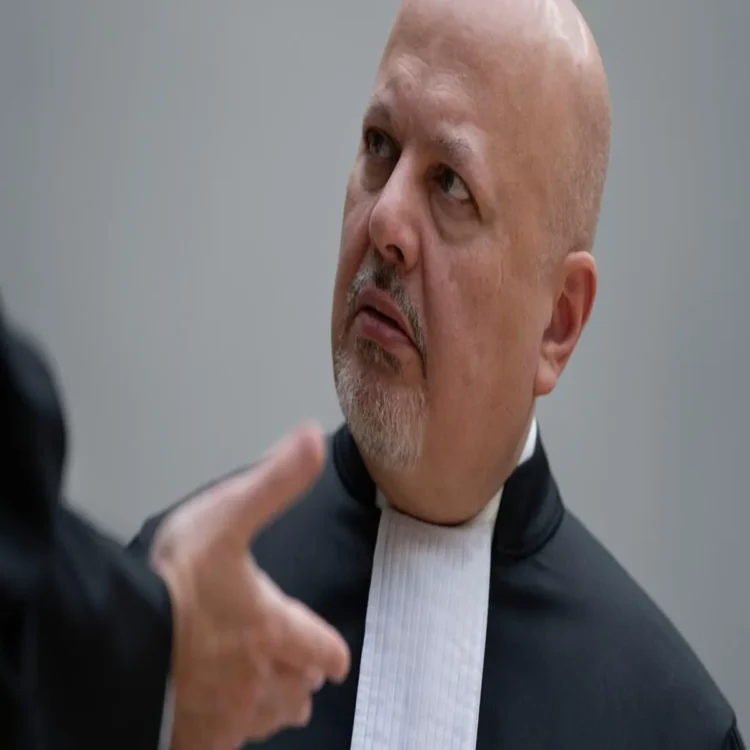
Member States Back Historic Decision
The ICC’s governing body, the Assembly of States Parties, concluded that Khan had violated his professional obligations through what it described as serious misconduct. The vote followed months of review after Khan had already been suspended from his responsibilities in June while an executive committee examined the evidence.
According to findings referenced during the proceedings, investigators concluded that Khan had engaged in an inappropriate relationship with a female staff member and later attempted to discourage her from pursuing the complaint. Khan has consistently disputed those findings, maintaining that both the allegations and the investigation’s conclusions are incorrect. Ahead of the final vote, Sierra Leone introduced a proposal that would have raised the threshold required for his dismissal, but the motion failed to receive sufficient backing from member states.
Court Faces Growing International Pressure
The leadership change comes as the International Criminal Court continues to encounter increasing political resistance from several governments. The United States has intensified its criticism of the institution, with Secretary of State Marco Rubio recently outlining measures aimed at reducing the court’s international influence.
Among the proposals announced by Washington were encouraging countries to reconsider their membership in the ICC, imposing sanctions on organizations working with the court, and limiting travel access for ICC officials. The United States has also urged allied nations benefiting from American security cooperation to reject the court’s jurisdiction over U.S. citizens, adding to the diplomatic challenges facing the institution.
Venezuela Announces Exit From ICC
Shortly after the vote removing Khan, Venezuela declared that it would withdraw from the International Criminal Court. Foreign Minister Felix Plasencia said the government believes the court has disproportionately focused its investigations on African and Latin American countries while failing to apply the same level of scrutiny elsewhere.
Earlier this year, ICC prosecutors closed an inquiry examining whether U.S. sanctions imposed on Venezuela amounted to crimes against humanity, citing insufficient evidence. However, a separate investigation into alleged human rights violations involving Venezuelan security forces during the administration of former President Nicolas Maduro will continue despite the country’s decision to leave the court.
Political Debate Surrounds ICC Investigations
Karim Khan and several other ICC officials have already been subjected to sanctions imposed by the Trump administration following the court’s arrest warrants issued against senior Israeli leaders, including Prime Minister Benjamin Netanyahu, over the Gaza conflict. The measures also related to ICC investigations involving U.S. personnel connected to Afghanistan.
Israel’s Ambassador to the United Nations, Danny Danon, argued that Khan had pursued politically motivated legal action against Israel while expecting allegations against himself to receive little attention. Legal analysts have observed that the misconduct case became increasingly intertwined with broader political disputes surrounding the ICC’s investigations, particularly those linked to the Middle East conflict.
Existing Arrest Warrants Remain Unchanged
Although Karim Khan has now been removed from office, the arrest warrants issued in 2024 against Israeli Prime Minister Benjamin Netanyahu and former Defence Minister Yoav Gallant remain legally valid. Under ICC procedures, only the court’s judges have the authority to revoke or amend those warrants.
Khan’s dismissal concludes a lengthy internal process that exposed differing views among ICC member states over accountability and governance. Even with new leadership expected in the future, the court continues to face significant institutional, diplomatic and political challenges as it works to preserve its credibility amid growing international scrutiny.