
FoodCrisis – Nigeria Faces Escalating Hunger Emergency Amid Ongoing Violence
FoodCrisis – Millions of Nigerians are preparing for a severe food shortage as humanitarian agencies warn that conflict, insecurity, and economic hardship are pushing vulnerable communities into deeper distress.
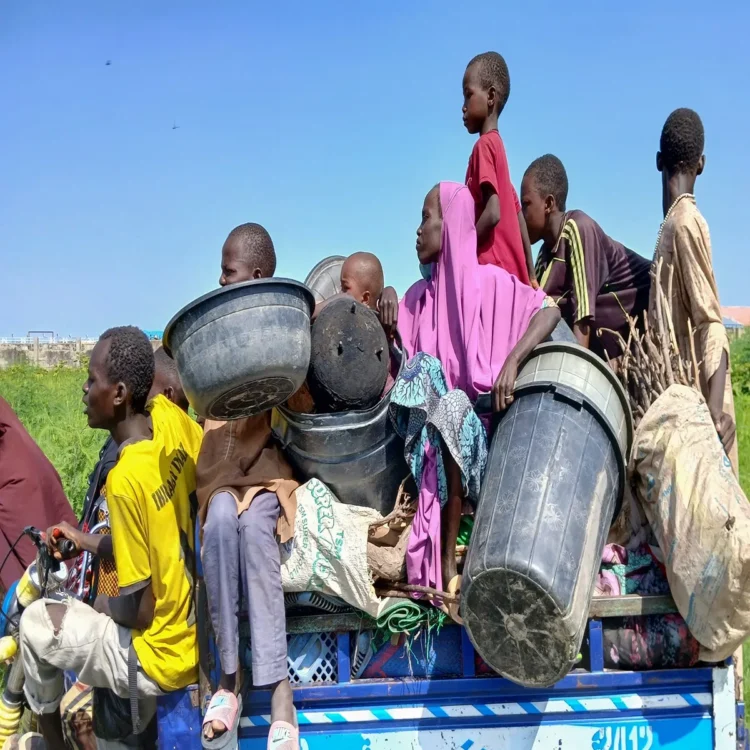
According to the United Nations Office for the Coordination of Humanitarian Affairs, nearly 35 million people across Nigeria are expected to experience acute food insecurity during the lean season between June and August this year. Aid officials said the situation is becoming increasingly critical, especially in the northern parts of the country where violence and instability continue to disrupt livelihoods and access to basic necessities.
Rising Hunger Threat Across Northern Nigeria
The UN Humanitarian Country Team described the crisis as one of the largest hunger emergencies currently unfolding worldwide. Humanitarian agencies warned that delayed assistance could force families to skip meals, sell personal belongings, and remove children from schools in order to survive.
Communities in the northeast and northwest regions are facing the heaviest burden due to prolonged armed conflict, displacement, and worsening economic conditions. The situation has also been aggravated by inflation and reduced purchasing power, making food inaccessible for millions of households already living in poverty.
Child Malnutrition Reaches Alarming Levels
Aid organisations also raised concerns over growing levels of malnutrition among children. Estimates suggest that around 6.4 million children in northern Nigeria could suffer from acute malnutrition this year. Health workers fear that without immediate intervention, many children could face life-threatening complications linked to severe hunger and lack of medical care.
Humanitarian agencies stated that emergency nutrition programmes and food support services are urgently needed to prevent further deterioration. However, ongoing funding shortages continue to slow relief efforts across affected regions.
Funding Gap Slows Humanitarian Response
The United Nations and partner organisations have appealed to the international community for additional financial support to expand life-saving operations in Nigeria. Officials said existing resources are insufficient to meet the growing humanitarian needs.
The Nigeria Humanitarian Fund has already helped launch emergency assistance programmes, but the wider Humanitarian Needs and Response Plan remains underfunded. Of the required 516 million US dollars, only about 215 million dollars has been received so far, leaving major gaps in food aid, healthcare, and protection services.
Humanitarian officials stressed that faster funding commitments are essential to avoid a deeper crisis during the coming months.
Guterres Warns About Broader African Instability
UN Secretary-General Antonio Guterres recently urged global leaders to take immediate action against the conflicts and climate-related disasters affecting several African nations.
Speaking in Nairobi, Guterres said violence, hunger, terrorism, and climate shocks are preventing many African countries from achieving stability and economic growth. He called for an end to ongoing conflicts in Sudan, eastern Democratic Republic of the Congo, and South Sudan, warning that continued fighting is worsening humanitarian suffering across the continent.
Global Tensions Adding Economic Pressure
Guterres also expressed concern about the impact of international instability on African economies. He highlighted the importance of the Strait of Hormuz, a major global shipping route through which a significant portion of Africa’s oil and fertiliser imports pass.
He warned that disruptions in global trade routes could create additional economic pressure for African countries that rely heavily on imported fuel and agricultural supplies. According to the UN chief, prolonged instability could deepen poverty, hunger, and inflation in vulnerable nations.
The UN Secretary-General urged all sides involved in regional tensions to prioritise diplomacy and avoid actions that could further destabilise global supply chains.
Call for Fairer Global Representation
During his remarks, Guterres also criticised the lack of permanent African representation on the UN Security Council. He said the United Nations would continue advocating for reforms that provide African countries with stronger participation, better access to resources, and a greater voice in international decision-making.
The UN reaffirmed its commitment to supporting peacebuilding, sustainable development, and climate resilience efforts across Africa as humanitarian challenges continue to grow.