
Ebola – UN Calls for Faster Response as DRC Outbreak Expands
Ebola – Humanitarian response efforts are being intensified as Ebola cases continue to rise in the Democratic Republic of the Congo, with the United Nations warning that conflict, displacement and population movement could worsen the regional health emergency.
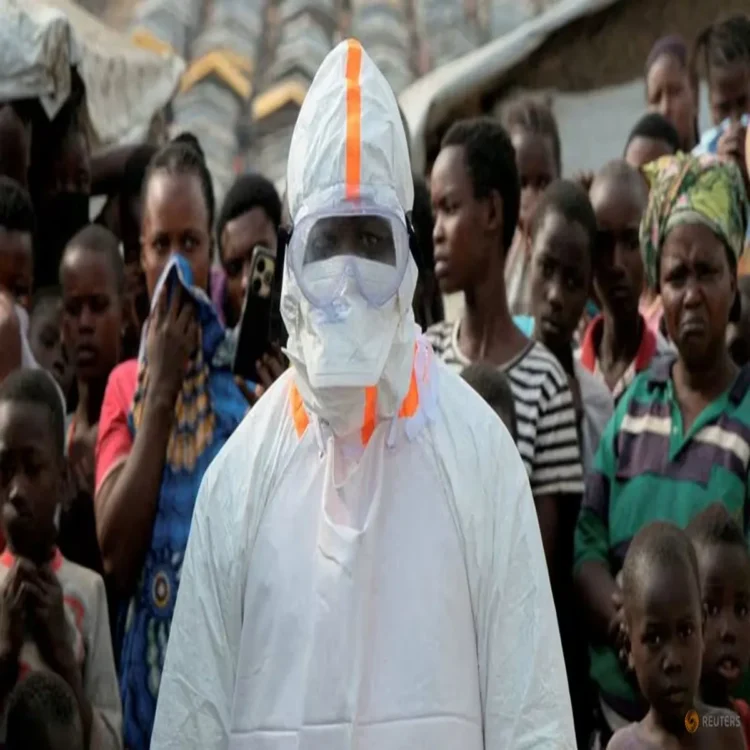
Ebola response efforts face growing pressure –
UN Under-Secretary-General for Humanitarian Affairs and Emergency Relief Coordinator Tom Fletcher said immediate action was needed to curb the spread of the virus in the DRC and prevent further transmission beyond its borders.
In a statement issued on Thursday, Fletcher said Ituri province remained at the centre of the outbreak. However, he warned that infections were also being reported in other provinces, where insecurity and regular movement between communities were increasing the risk of the disease spreading further.
The outbreak was declared on May 15. Since then, more than 1,700 people have been infected in the DRC and about 600 deaths have been recorded, according to figures cited by Fletcher. Uganda has also confirmed 20 cases linked to the wider regional outbreak.
Ituri remains the main outbreak zone
DRC Health Minister Samuel Roger Kamba said the outbreak was still in a highly active stage. Speaking in Bunia, the capital of Ituri province, he said health officials could not yet predict when the number of cases would reach its highest point.
Kamba said several local conditions were making the response more difficult. These included dense populations, frequent travel by residents and challenges in building trust and cooperation within affected communities.
Health teams are working to identify cases, isolate patients and trace people who may have come into contact with those infected. But the situation remains difficult in areas affected by violence and limited access to medical services.
Humanitarian needs extend beyond health care
Fletcher said the Ebola emergency was unfolding in communities already facing severe hardship. Before the latest outbreak, millions of people in the DRC were dealing with armed conflict, food shortages, displacement and weak public services.
He said the crisis could not be addressed through health measures alone. Communities need access to treatment, food assistance, clean water, protection services and other basic support while Ebola response teams work to contain the virus.
The United Nations is increasing its response, Fletcher said, but he called on governments, aid agencies and donors to act with greater urgency.
Call for access, supplies and funding
Fletcher urged all sides in conflict-affected areas to allow health and humanitarian workers to travel safely. He also stressed that medical supplies and response equipment must be able to move without disruption.
“Borders and supply routes must remain open,” he said, adding that funding promised by donors should reach frontline responders quickly and be available for both Ebola operations and broader humanitarian assistance.
The UN official said sustained support was essential for vulnerable communities that depend on aid services, particularly in remote and unstable areas where health systems are already under strain.
Latest official case figures
The DRC Ministry of Communications and Media released updated figures on Thursday through its official X account. The ministry reported 1,792 confirmed Ebola cases and 625 deaths.
According to the update, 764 patients were either in isolation or receiving hospital care. A further 295 people had recovered from the disease. The overall case fatality rate was reported at 34.1 per cent.
Health authorities and international partners continue to monitor the outbreak closely, with efforts focused on limiting transmission in Ituri and preventing the virus from reaching more communities in the DRC and neighbouring countries.