
Diplomacy – US Intensifies Military Campaign While Pressing Iran for Nuclear Agreement
Diplomacy – The United States has carried out a new series of military operations targeting locations in Iran, while simultaneously increasing pressure on Tehran to reach an agreement over its nuclear programme. President Donald Trump and Defense Secretary Pete Hegseth indicated that further military measures could follow if diplomatic efforts fail to produce results.
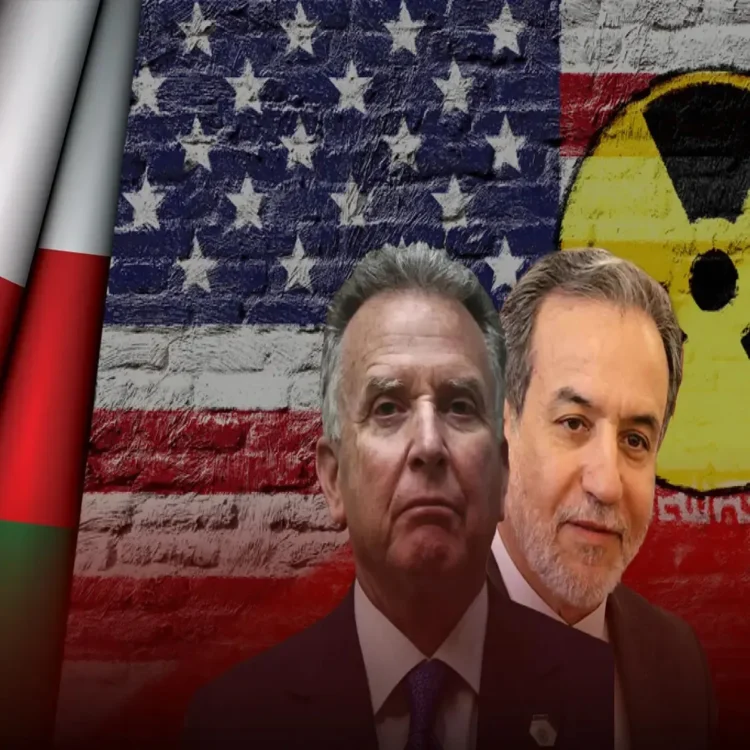
New Military Action Ordered by Washington
According to US officials, the latest operation began on Wednesday evening when the US Central Command (CENTCOM) launched additional strikes against several targets inside Iran. The mission was carried out under orders from President Trump, with military leaders describing the action as part of a defensive response to ongoing tensions.
Speaking after a meeting with CENTCOM commanders at MacDill Air Force Base in Florida, Hegseth stated that American forces were prepared for continued operations. He argued that Iran still had an opportunity to reach an agreement with Washington but had not yet taken the necessary steps to finalize a deal.
White House Renews Call for Nuclear Agreement
At the White House, President Trump emphasized that negotiations with Iran had been underway for several months. He expressed frustration over the lack of progress and urged Iranian leaders to approve a proposed agreement.
Trump said the arrangement under discussion would permanently prevent Iran from acquiring nuclear weapons. He maintained that the proposal was designed to ensure long-term restrictions on Tehran’s nuclear ambitions and remained available if Iran chose to proceed.
Helicopter Incident Raises Regional Tensions
The renewed military activity followed an incident earlier in the week in which Iran reportedly brought down a US Army AH-64 Apache helicopter near Oman. While confirming that all personnel involved were safely recovered, Trump said the attack would not go unanswered.
The president noted that US forces had already responded and suggested that additional military operations could take place. He also claimed that negotiations had at times appeared close to success but accused Iran of delaying the process instead of reaching a final understanding.
CENTCOM Cites Security Concerns
US Central Command described the strikes as a response to what it called continued hostile actions by Iran. The command also reported another maritime operation involving a tanker suspected of transporting Iranian oil despite restrictions imposed under a US-backed blockade.
Military officials stated that after repeated warnings were ignored, a US aircraft used precision-guided weapons to disable the vessel’s engine room. The tanker, identified as the M/T Settebello and operating under a Palau flag, was prevented from continuing its voyage.
Strait of Hormuz Remains Strategic Focus
Hegseth highlighted the importance of the Strait of Hormuz in current US military planning. He said operations conducted under a mission referred to as “Project Freedom” had helped safeguard the movement of more than 100 million barrels of oil through the critical shipping corridor.
The defense secretary argued that the United States and its partners have maintained security across the waterway for an extended period, ensuring uninterrupted energy transportation despite ongoing regional tensions.
Warning of Further Action
The Pentagon chief said recent operations had significantly reduced Iran’s military capabilities. However, he warned that Washington was prepared to continue its campaign if circumstances required additional action.
Both Hegseth and Trump repeated that diplomacy remains an available option. The US administration insists that Iran can avoid further escalation by agreeing to terms that would block any future development of nuclear weapons.
Trump concluded by reiterating that Washington’s strategy combines military pressure with diplomatic engagement. He said the United States remains committed to preventing Iran from obtaining nuclear arms and believes an agreement can still be achieved if Tehran chooses to move forward.