
Deportation – Uncertain Futures for Migrants Amid Shifting US Asylum Policies
Deportation – A growing number of migrants who were legally residing in the United States while awaiting decisions on their asylum applications are now facing an unexpected and deeply unsettling situation. Many have been issued orders to leave the country, not for their homelands, but for unfamiliar third countries where they have no personal or cultural ties.
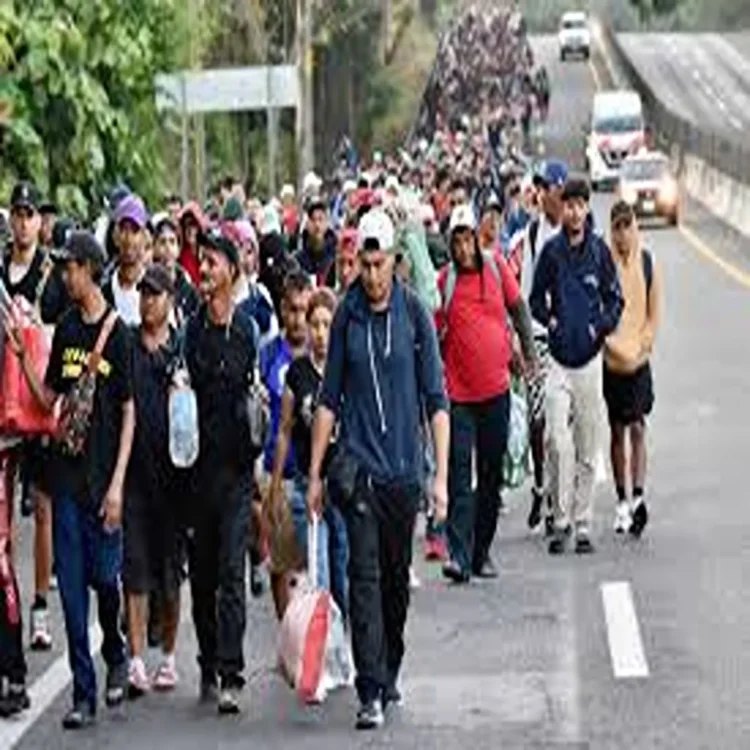
Rising Concerns Over Third-Country Deportations
From an Afghan man who escaped Taliban rule to settle in New York, to a Cuban worker detained in Texas after a minor accident, individuals across the country are encountering similar directives. Reports indicate that migrants from countries such as Mauritania, Venezuela, and Bolivia have been instructed to relocate to nations including Uganda, Ecuador, and Honduras.
Advocacy organizations estimate that over 13,000 individuals have received such orders. These migrants had been living in compliance with US laws while their asylum claims were under review. However, recent policy actions have disrupted their legal standing, leaving many uncertain about their future.
Legal Limbo and Loss of Stability
Despite the large number of deportation orders issued, only a limited number of individuals have actually been removed from the country. Many remain in detention facilities or live with the constant fear of being deported without warning. At the same time, they have lost authorization to work, which was previously granted during the asylum process.
This combination of uncertainty and restricted rights has created significant anxiety within immigrant communities. Legal experts suggest that this environment may discourage migrants from continuing their asylum cases, potentially pushing them to return voluntarily to their countries of origin.
Policy Shift Raises Questions
In March, a notable development emerged when immigration authorities reportedly instructed legal teams to pause new deportation motions involving third countries. While the directive has not been publicly explained, it has sparked speculation about a possible shift in enforcement strategy.
However, previously issued deportation orders remain active, leaving thousands of migrants caught in a system that offers little clarity. The absence of official communication has only added to the confusion surrounding these policies.
Personal Stories Highlight Human Impact
Individual cases reveal the emotional toll of these measures. One Guatemalan woman, who fled severe violence and arrived in the US seeking protection with her young child, was later informed in court that she could be deported to countries she had never heard of before. Her situation reflects the broader distress experienced by many in similar circumstances.
Legal professionals point out that these decisions are often made without assessing the validity of asylum claims. Instead, cases are being dismissed procedurally, allowing authorities to redirect migrants to third countries deemed “safe.”
Legal Framework and Expansion of Orders
The increase in such deportation orders follows a legal ruling that expanded the government’s authority to send asylum seekers to alternative countries. Under this framework, migrants can be relocated to nations where they are not expected to face persecution, even if they have no prior connection to those places.
Following the ruling, the number of canceled asylum cases and corresponding deportation orders rose significantly. Data suggests that a majority of these orders involve a small group of countries, although nearly three dozen nations have been listed as possible destinations.
Practical Challenges Limit Deportations
Despite the aggressive policy approach, actual deportations have been limited due to logistical and legal challenges. International agreements often restrict the number of migrants a country can accept, and some nations have reportedly not received any deportees despite being listed as destinations.
Officials from partner countries have indicated that transportation costs and coordination issues may be slowing the process. Additionally, legal challenges within the United States continue to complicate enforcement efforts.
Uncertain Path Ahead
Experts believe that while deportation numbers remain low for now, the situation could evolve quickly. Increased hiring within immigration agencies and potential expansion of international agreements may lead to a rise in deportations in the future.
For now, thousands of migrants remain in a state of uncertainty, unable to move forward with their asylum claims or plan their next steps. Their situation underscores the complexities of immigration policy and the human impact of administrative decisions.