
Defense – US Weighs NATO Allies’ Roles Amid Rising Strategic Tensions
Defense – The United States is reassessing its engagement with NATO partners through a newly developed internal framework that evaluates member countries based on their defence commitments and positions during recent geopolitical developments.
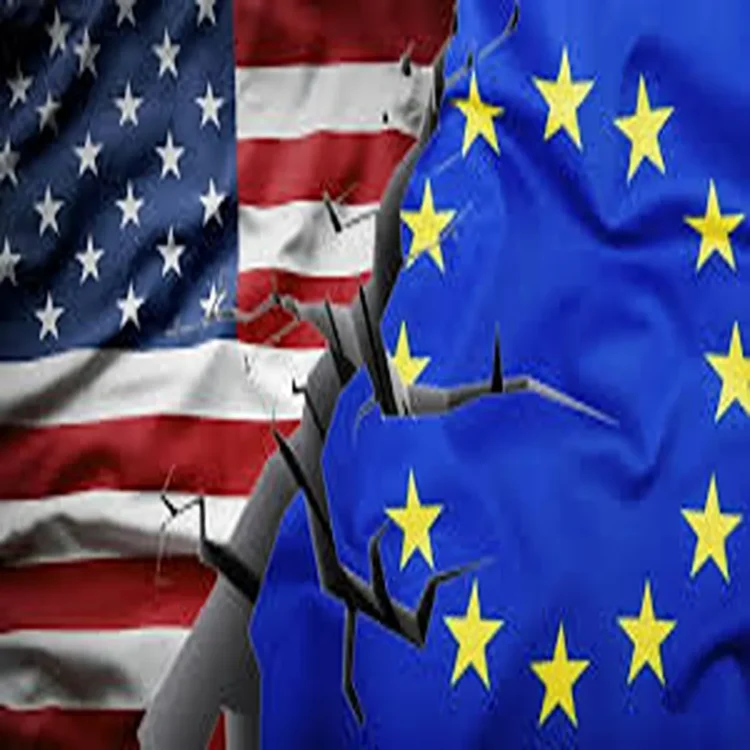
New Evaluation System Signals Shift in Approach
According to officials familiar with the discussions, the White House has prepared an internal classification system that informally ranks NATO member states by their level of support and military contribution. The framework, described as a “naughty and nice” list in diplomatic circles, is expected to influence how Washington collaborates with allies going forward.
The initiative reportedly emerged ahead of a planned visit by NATO Secretary General Mark Rutte to Washington. Sources indicate that the system places countries into tiers, considering both defence spending and their broader alignment with US strategic priorities during recent tensions involving Iran.
Emphasis on Burden-Sharing and Strategic Alignment
The move reflects ongoing concerns within the US administration about unequal burden-sharing among NATO members. President Donald Trump has repeatedly argued that several allies are not contributing enough to collective defence, urging them to increase spending and align more closely with US-led initiatives.
Earlier remarks from US Secretary of War Pete Hegseth outlined a similar perspective. He highlighted that nations demonstrating strong military support and cooperation could receive preferential treatment. Countries such as Israel, South Korea, Poland, Germany, and Baltic states were cited as examples of partners taking greater responsibility.
Officials suggest that the new framework builds on these ideas, aiming to reward nations that meet expectations while signaling potential consequences for those that fall short.
Unclear Consequences but Potential Policy Changes
Despite the reported classification system, details about specific incentives or penalties remain uncertain. Analysts say the US could consider adjusting troop deployments, modifying joint military exercises, or revisiting defence agreements depending on a country’s standing.
However, some European officials have expressed skepticism about how such measures would be implemented. One diplomat noted that relocating US troops might have limited effectiveness, as it could also impact American strategic interests.
The lack of clearly defined actions has led to questions about whether the framework is more symbolic than operational at this stage.
Mixed Reactions Among NATO Members
The reported approach has drawn varied responses across Europe. Countries like Poland and Romania, which have increased defence spending and supported US-led initiatives, could benefit from closer cooperation.
On the other hand, nations that have been slower to meet NATO’s defence spending targets, including Spain, may face increased scrutiny under the new system. This could add pressure on governments already balancing domestic priorities with alliance commitments.
White House Deputy Press Secretary Anna Kelly defended the administration’s position, stating that the United States has consistently supported its allies but expects reciprocal commitment. She emphasized that recent operations highlighted gaps in support from some partner nations.
Broader Implications for Transatlantic Relations
Experts believe the framework could further strain relations between the US and its European allies, especially at a time when global security challenges are intensifying. Some former officials have questioned whether Washington can afford to escalate tensions within NATO while dealing with multiple geopolitical pressures.
At the same time, others argue that the initiative may push alliance members to strengthen their contributions, potentially leading to a more balanced partnership in the long term.
As discussions continue, the impact of this evaluation system will likely depend on how it is implemented and whether it leads to concrete policy changes. For now, it signals a clear message: the United States is reassessing its expectations from NATO allies in an evolving global security environment.