
Conflict – Border Village School Lies in Ruins After Weeks of Fighting
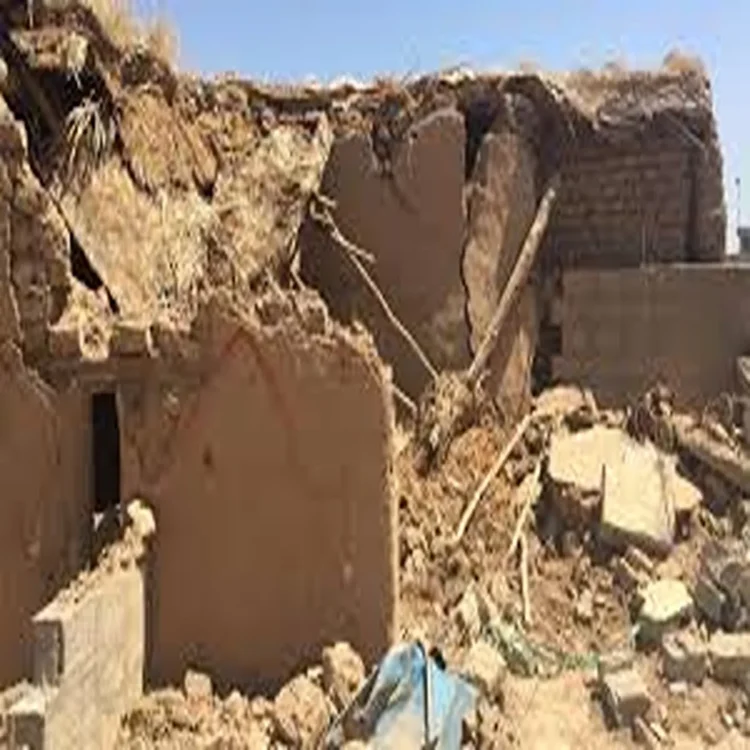
Conflict – The quiet village of Barikot, located along Afghanistan’s northeastern frontier, now stands largely deserted, its once-busy school reduced to rubble after weeks of cross-border conflict. Residents who have recently begun returning describe a place transformed by violence, where classrooms are silent and daily life has come to a halt.
Widespread Damage Leaves Community Shattered
Barikot, home to nearly 8,000 people before the clashes began in late February, witnessed mass displacement as residents fled for safety. When access routes reopened recently, a small number of villagers returned to assess the damage. Among them was 23-year-old shopkeeper Ruhollah Khpalwak, who found both his store and former school badly damaged.
Standing inside what was once a functioning science lab, Khpalwak described the emotional toll of seeing shattered glass, dust-covered books, and abandoned classrooms. The school, which served students from primary to high school levels, has been left structurally unsafe, halting education for hundreds of children.
Education Crisis Deepens Across Kunar Province
Barikot’s school is not the only casualty. According to humanitarian assessments, at least 22 schools in Afghanistan’s Kunar province require urgent reconstruction. Thousands of students have been displaced or are unable to continue their studies due to damaged infrastructure and ongoing instability.
Educational disruption has become a growing concern, as displaced families struggle to access already overcrowded schools in nearby villages and towns. Officials say alternative arrangements are being explored, but resources remain limited.
Civilian Impact and Disputed Responsibility
The broader conflict has resulted in significant civilian casualties across border regions, with reports indicating hundreds of deaths. While tensions have eased following diplomatic efforts, including mediation by China, the underlying issues remain unresolved.
Authorities in Pakistan have accused Afghanistan of sheltering militant groups responsible for attacks across the border. Afghan officials have denied these claims, and residents of Barikot say they are unaware of any such presence in their village. Locals have largely attributed the destruction to military actions rather than community-level disputes.
Healthcare Facilities Also Affected
The conflict has also disrupted essential services. The village’s main healthcare facility has been damaged and remains closed. Pharmacist Faridoon Habibi, who previously worked there, said medical staff were forced to relocate for safety as conditions deteriorated.
Healthcare access has become increasingly difficult for returning residents and displaced families alike. With facilities damaged and staff displaced, even basic medical care is now out of reach for many.
Displacement Camps Struggle With Basic Needs
More than 94,000 people have reportedly been displaced due to the fighting, with a significant portion from Kunar province. Many have taken shelter along the banks of the Kunar River, living in makeshift tents constructed from tarpaulins, cloth, and plastic.
Living conditions in these camps remain harsh. Access to clean drinking water is limited, requiring long journeys to the nearest wells. Sanitation facilities are inadequate, raising concerns about hygiene and public health.
Residents like Asmatullah Malangzay, who lives with his family in a temporary shelter, describe daily challenges, especially for women and children. Basic necessities such as bathing facilities, toilets, and sufficient water are lacking, making life increasingly difficult.
Aid Groups Highlight Urgent Humanitarian Needs
Humanitarian organizations working in the region have described the situation as critical. Immediate priorities include shelter, clean water, sanitation services, and access to healthcare. Without swift intervention, conditions are expected to worsen, particularly for vulnerable groups.
Local authorities are attempting to relocate displaced families to more organized settlements established after a previous natural disaster. However, the scale of displacement continues to strain available resources.
Children Bear the Long-Term Consequences
Perhaps the most profound impact of the conflict is on children, many of whom have been forced out of school. Mohammad Nabi Gujar, a father of nine, expressed concern about the future of his children, who have been left without access to education.
Former school principal Mohammad Amin Shakir shared similar concerns, noting that students who were once actively learning are now living in temporary camps without structure or opportunity. He described the situation as deeply distressing, emphasizing that children are growing up without stability or education.
As Barikot slowly begins to recover, the road ahead remains uncertain. Rebuilding infrastructure, restoring services, and ensuring access to education will be essential steps in helping the community move forward