
EducationPolicy – Vaiko Urges Tamil Nadu Government to Reject PM SHRI Plan
EducationPolicy – Marumalarchi Dravida Munnetra Kazhagam (MDMK) General Secretary Vaiko has renewed his opposition to the PM SHRI scheme and the three-language policy linked to the National Education Policy, urging Tamil Nadu Chief Minister Vijay not to permit its implementation in the state. He described the move as a renewed attempt to introduce Hindi through the education system in Tamil Nadu.
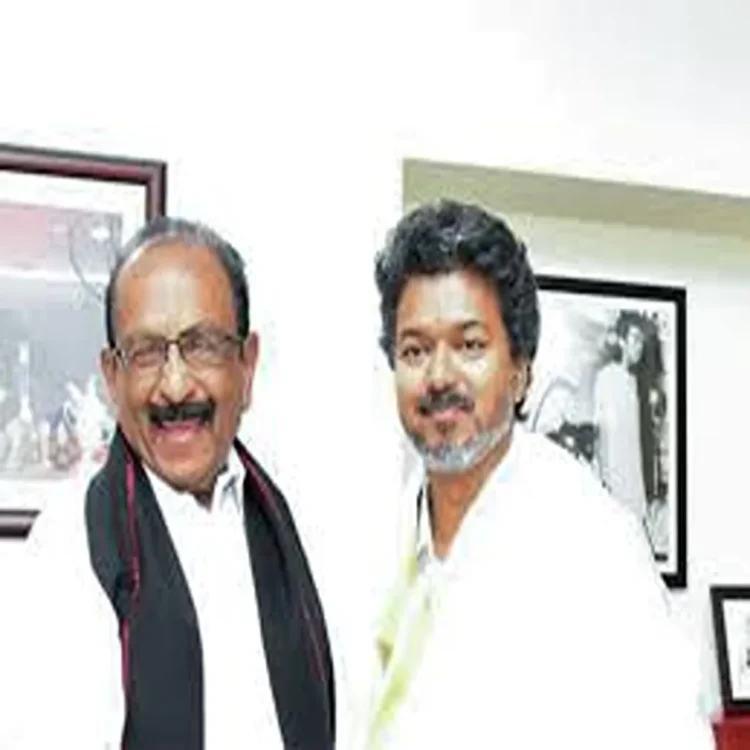
Vaiko Revisits History of Anti-Hindi Movements
In a strongly worded statement, Vaiko referred to the anti-Hindi protests that took place in 1938 and later intensified in 1965. He said those agitations represented major turning points in Tamil Nadu’s political and cultural history. According to him, many Tamil activists and students lost their lives while resisting what they believed was forced Hindi implementation.
He recalled the names of several individuals who became symbols of the movement, including Chinnasamy, Aranganathan, teacher Veerappan, and others who participated in protests against language policies introduced by the Centre. Vaiko also alleged that many Tamils suffered during the period of unrest linked to the anti-Hindi demonstrations.
Reference to Annadurai’s Two-Language Policy
The MDMK leader also highlighted the role of former Chief Minister CN Annadurai in shaping Tamil Nadu’s long-standing language policy. Vaiko said the political atmosphere created by the anti-Hindi movement eventually led to Annadurai assuming office as Chief Minister in 1967.
He noted that Annadurai strongly defended the continuation of Tamil and English as the state’s preferred language framework. Vaiko said the former Chief Minister had publicly declared that Hindi would not be imposed in Tamil Nadu and maintained that successive governments had followed that principle over the decades.
Concerns Over PM SHRI Scheme
Vaiko accused the Union government led by Prime Minister Narendra Modi of attempting to bring back the three-language formula through the PM SHRI initiative. He argued that accepting the scheme would go against the sacrifices made during earlier language protests in the state.
According to him, implementing the programme in Tamil Nadu could be viewed as abandoning the state’s historic stand on linguistic identity. He said people who participated in earlier anti-Hindi movements had fought to preserve Tamil Nadu’s educational and cultural autonomy.
Appeal to Chief Minister Vijay
Addressing Chief Minister Vijay directly, Vaiko appealed to him to reject the PM SHRI scheme and continue supporting the two-language approach followed in Tamil Nadu. He stated that a large number of young people and students had placed their trust in Vijay and expected his administration to protect Tamil interests.
Vaiko also referred to comments made by minister Rajmohan, who reportedly stated that the scheme would not be accepted in the state. He said such remarks had reassured people who oppose the three-language policy.
The veteran leader further added that supporters of Tamil language rights would stand firmly behind the government if it chose not to implement the scheme.
Language Policy Remains Sensitive Political Issue
The debate over the National Education Policy and its three-language formula has continued to generate strong political reactions in Tamil Nadu. Several regional parties have consistently opposed measures they believe could increase the role of Hindi in the state’s education system.
Political leaders across party lines have often defended Tamil Nadu’s two-language model, arguing that it reflects the state’s social and historical priorities. The PM SHRI scheme has therefore become part of a broader discussion surrounding education policy, language identity, and Centre-state relations in Tamil Nadu.