
Politics – BJP Intensifies Punjab Campaign Ahead of Key Electoral Exercise
Politics – Punjab political developments and administrative changes shaping the state’s governance landscape – The political atmosphere in Punjab has started gaining momentum ahead of the upcoming Special Intensive Revision process scheduled to begin on June 15. Senior leaders, government officials, and administrative departments are drawing attention as political campaigning and governance-related discussions continue to dominate public discourse across the state.
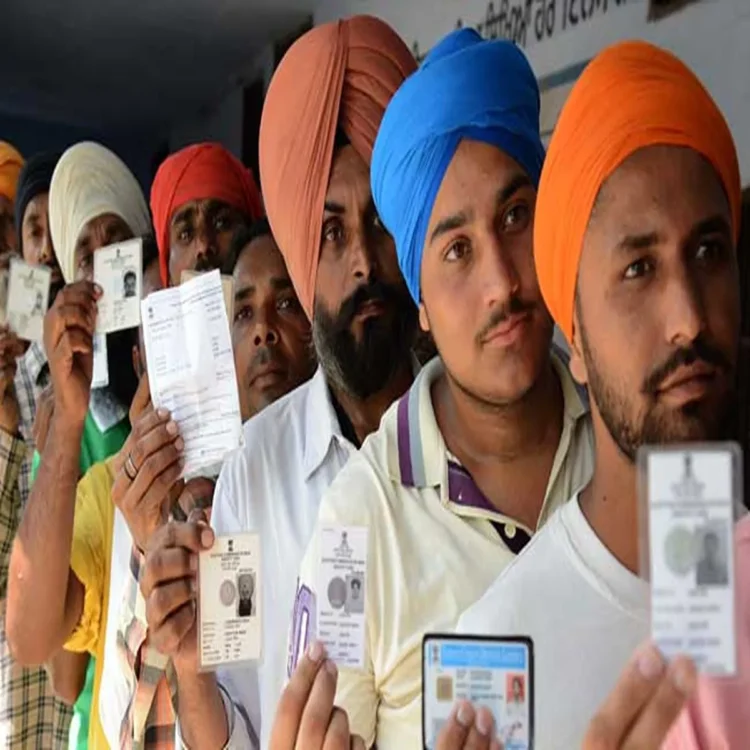
BJP Begins Outreach Drive in Amritsar
The Bharatiya Janata Party has stepped up its activities in Punjab as part of its preparations for the next phase of political engagement in the state. BJP national secretary Tarun Chugh recently attended a public interaction programme in Amritsar, where he met local residents and party workers at a popular tea stall located near DAV College in the Hathi Gate area.
During the gathering, Chugh introduced the party’s campaign slogan aimed at energising workers ahead of future electoral contests. He claimed that Punjab was witnessing growing public dissatisfaction with the current Aam Aadmi Party-led government and suggested that the political climate was shifting in favour of the BJP.
The event, organised in an informal “Chai Pe Charcha” format, also included celebrations over the BJP’s recent electoral successes in other states. Party supporters distributed sweets while leaders interacted with traders, students, and local residents. According to Chugh, the outreach campaign is intended to build direct communication with voters and strengthen the BJP’s grassroots network in Punjab.
Punjab Governor’s Military Aide Steps Down
In another significant development, Squadron Leader Gaurav Malik has resigned from his position as aide-de-camp (Military) to the Punjab Governor. Officials familiar with the matter said the resignation was submitted due to personal reasons, and he has now been formally relieved of his responsibilities.
Malik had taken charge of the assignment in August 2024 after being transferred from Assam. Sources indicated that he belonged to the Short Service Commission and still had close to a year remaining in his tenure before opting to resign.
The resignation has drawn attention because it is the second such departure from the same role within nearly two-and-a-half years. Before Malik, Squadron Leader Amit Tiwari had also served as ADC (Military) to the Governor during the tenure of former Punjab Governor Banwari Lal Purohit.
Officials, however, clarified that the resignation was linked to personal considerations and not connected to any administrative dispute or controversy.
Bureaucrat’s Use of Official Vehicles Raises Questions
Meanwhile, discussions within Punjab’s administrative circles have intensified over the reported use of multiple government vehicles by a senior IAS officer. The issue has surfaced at a time when several political leaders across the country, including the Prime Minister and chief ministers, have publicly promoted austerity measures due to ongoing global economic and geopolitical concerns linked to tensions in West Asia.
According to sources, the officer already has an officially sanctioned vehicle allocated through his department. However, reports suggest that additional vehicles are also being used from government-run corporations functioning under his supervision.
Administrative insiders claimed that as many as six vehicles from different state corporations are currently associated with the officer’s official operations. The matter has generated discussion among bureaucratic circles because the department is also reportedly examining a proposal to acquire another vehicle that may replace one already in use.
While no formal violation has been alleged, the development has renewed debate regarding government expenditure, administrative transparency, and the need for efficient use of public resources during financially sensitive times.
Political observers believe that such issues often gain public attention during periods of heightened political activity, especially when governance standards and accountability become central themes in public debate.