
Legal Proceedings – Supreme Court Reviews Bail Pleas in Delhi Riots Case
Legal Proceedings – The Supreme Court on Wednesday scheduled a hearing for May 22 on the bail petitions filed by Abdul Khalid Saifi and Tasleem Ahmed, both accused in the 2020 Delhi riots conspiracy case. The two men have challenged a Delhi High Court order issued in September 2025 that rejected their requests for bail.
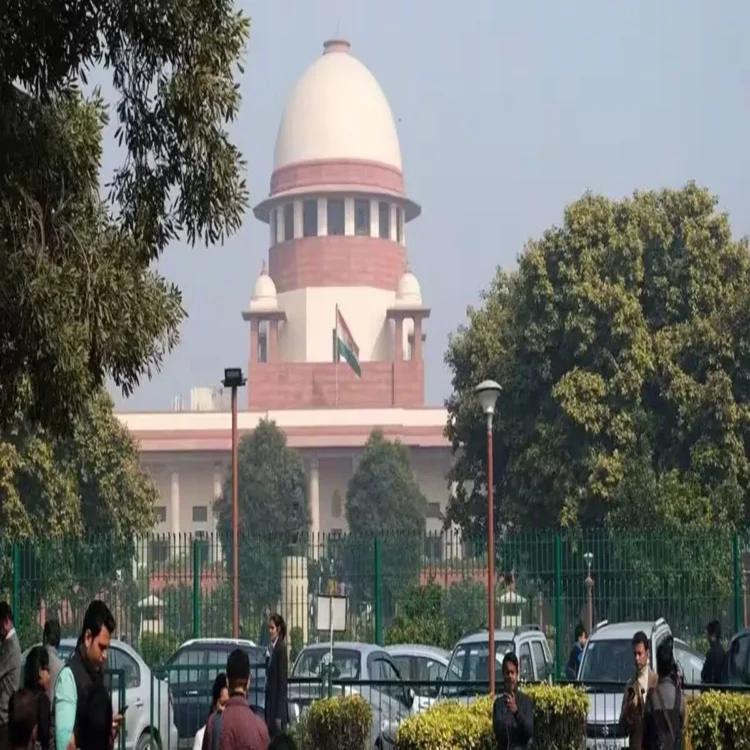
A bench comprising Justices Aravind Kumar and P B Varale indicated during the proceedings that it was considering granting relief to the accused. However, the judges said they first wanted to hear detailed submissions from the Delhi Police regarding a recent ruling delivered by another bench of the apex court on similar legal questions linked to bail under the Unlawful Activities (Prevention) Act, or UAPA.
Delhi Police Seeks Time for Legal Submissions
Additional Solicitor General S V Raju, appearing on behalf of the Delhi Police, requested additional time before arguments could continue. He informed the bench that a recent judgment by another Supreme Court bench needed to be examined carefully because it involved broader legal principles related to bail in cases registered under stringent anti-terror laws.
The court accepted the request and adjourned the matter to May 22. The hearing is expected to focus on whether long incarceration and delays in trial proceedings can justify granting bail even when restrictive provisions of the UAPA are applicable.
Senior advocate Rebecca John represented Abdul Khalid Saifi during the proceedings. Advocates Mehmood Pracha and RHS Sikander appeared for Tasleem Ahmed.
Debate Over Bail Principles Under UAPA
During earlier arguments before the Supreme Court, the Delhi Police had argued that conflicting judicial views had emerged from different benches of the apex court regarding bail standards in UAPA cases. According to the prosecution, the issue may eventually require examination by a larger constitutional bench to settle the legal position.
The discussion gained significance after a recent Supreme Court ruling involving activists Umar Khalid and Sharjeel Imam. In that judgment, the court strongly observed that “bail is the rule and jail is the exception,” even in cases filed under special laws such as the UAPA.
The Delhi Police, however, questioned whether that interpretation accurately reflected the intended legal framework governing anti-terror legislation. The prosecution argued that courts must carefully balance individual liberty with the seriousness of allegations and national security concerns.
Delhi High Court Raises Concern Over Fake Institutions
In a separate matter on Wednesday, the Delhi High Court expressed concern over the rapid growth of fake higher education institutions across the country. A bench led by Chief Justice D K Upadhyaya and Justice Tejas Karia urged the Central government to take stronger action against such organisations.
The court observed that many students enrolling in these institutions often come from smaller towns and less privileged backgrounds. Judges noted that these students spend significant time and money pursuing degrees that later fail to provide employment opportunities because the institutions lack proper recognition.
The High Court stressed the importance of protecting students from fraudulent educational setups and ensuring stricter oversight in the higher education sector.
Raghav Chadha Moves Court Over Personality Rights
Meanwhile, BJP MP Raghav Chadha approached the Delhi High Court seeking protection of his personality rights against unauthorised digital use of his identity. His petition seeks legal safeguards against the use of his name, photographs, voice recordings, and digitally altered visuals without consent.
The plea also requests protection from AI-generated deepfakes and manipulated online content that may damage reputation or spread misinformation. The matter is expected to be heard before Justice Subramonium Prasad on Thursday.
The petition reflects increasing legal concerns around artificial intelligence tools and the misuse of public figures’ identities through digitally altered media.