
Ceasefire – UN Welcomes Israel Lebanon Truce Amid Ongoing Tensions
Ceasefire – The United Nations has expressed cautious optimism following the announcement of a ceasefire between Israel and Lebanon, while urging all sides to strictly adhere to the agreement and international law.
United Nations Secretary-General Antonio Guterres welcomed the development on Friday, describing it as a constructive step that could open the door to broader negotiations. He also acknowledged the role played by the United States in helping both sides reach the agreement.
UN Calls for Compliance and Long-Term Dialogue
Guterres emphasized that the ceasefire should not be seen as an end in itself but as an opportunity to pursue a lasting resolution. He noted that consistent respect for the truce would be critical in building trust between the parties.
He further urged all stakeholders to act responsibly and in accordance with international law, stressing that sustained peace would require continued diplomatic engagement and mutual restraint. According to the UN chief, the current pause in hostilities could lay the groundwork for meaningful discussions aimed at resolving long-standing tensions in the region.
US-Led Diplomacy Drives Breakthrough
The ceasefire follows intensive diplomatic efforts led by Washington, involving close coordination with leaders in Israel and Lebanon. The agreement reportedly came after days of negotiations focused on stabilizing the volatile border region.
US President Donald Trump described the development as a significant breakthrough. He suggested that upcoming talks between Israeli and Lebanese leaders could mark a historic moment, potentially leading to the first high-level engagement between the two sides in over four decades.
Trump indicated that discussions could move forward quickly, possibly within a matter of weeks. He also mentioned that the arrangement would involve Hezbollah, signaling a broader scope for the ceasefire framework.
Israel Maintains Security Position in South Lebanon
Despite the ceasefire announcement, Israeli Prime Minister Benjamin Netanyahu made it clear that Israeli forces would continue to maintain positions in southern Lebanon. He stated that security concerns necessitate a continued presence in the area.
According to Netanyahu, Israeli troops will remain within a designated security zone to prevent potential threats such as cross-border infiltration and missile attacks. He reiterated that Israel’s broader objectives include weakening Hezbollah’s military capabilities and securing a long-term peace arrangement from what he described as a position of strength.
Reports of Continued Hostilities Raise Concerns
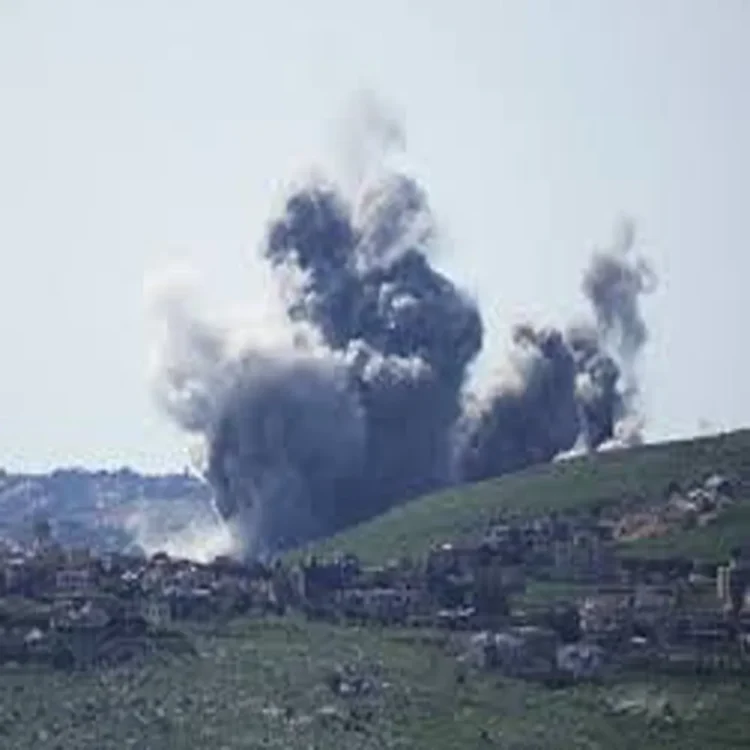
Even as the ceasefire took effect, reports from Lebanon indicated that tensions had not fully subsided. Local media outlets reported artillery fire and military activity in parts of southern Lebanon, including areas such as Khiam and Dibbine.
There were also accounts of aerial surveillance and sporadic gunfire, suggesting that the situation on the ground remains fragile. The Israeli military has stated that its forces remain on high alert along the border despite the truce being in place.
Mixed Reactions on the Ground
While uncertainty continues in some areas, parts of Lebanon witnessed public celebrations marking the ceasefire. In Beirut, residents reportedly took to the streets, with fireworks and celebratory gunfire reflecting a sense of relief after days of tension.
However, analysts note that such celebrations may be premature given the ongoing security concerns and the complexity of the issues involved. The coming days are expected to be crucial in determining whether the ceasefire holds and evolves into a more stable arrangement.
Path Ahead Remains Uncertain
The ceasefire represents a significant diplomatic moment, but challenges remain. The involvement of multiple actors, including Hezbollah, and differing strategic priorities between Israel and Lebanon could complicate efforts to achieve lasting peace.
International observers continue to monitor the situation closely, with hopes that sustained diplomatic engagement will prevent further escalation. The success of the ceasefire will largely depend on adherence by all parties and the willingness to move toward constructive negotiations.