
Ceasefire – Israel and Lebanon Agree to Temporary Halt in Fighting
Ceasefire – The United Nations has welcomed a newly announced ceasefire between Israel and Lebanon, expressing cautious optimism that the development could ease tensions and open the door for longer-term diplomatic efforts in the region.
UN Calls for Calm and Compliance
UN Secretary-General Antonio Guterres described the ceasefire as a positive step, acknowledging the role played by the United States in facilitating the agreement. He emphasized the importance of all sides honoring the terms of the truce and adhering to international law, noting that such measures are essential for building trust and advancing peace negotiations.
The UN leadership also highlighted that this pause in hostilities could provide a critical opportunity to shift focus toward dialogue and a sustainable resolution to the ongoing conflict.
Appeal to Protect Civilians on Both Sides
Stephane Dujarric, spokesperson for the Secretary-General, underlined the human cost of the conflict. He pointed out that civilians in Lebanon have endured significant hardship, while communities in northern Israel also continue to face security threats.
He stressed that both populations deserve stability and safety, urging all involved parties to respect the ceasefire fully. According to the UN, reducing violence along the Blue Line—the demarcation established in 2000—remains essential for preventing further escalation.
Role of the United Nations in Peace Efforts
The United Nations reiterated its readiness to support diplomatic and peacekeeping initiatives aimed at maintaining the ceasefire. Officials also called for the complete implementation of Security Council Resolution 1701, which outlines measures intended to achieve a permanent cessation of hostilities.
UN representatives emphasized that military action alone cannot resolve the conflict, and sustained political engagement is necessary to achieve long-term peace in the region.
US Mediation Leads to Temporary Agreement
The ceasefire was announced by US President Donald Trump following discussions with Israeli Prime Minister Benjamin Netanyahu and Lebanon’s President Joseph Aoun. According to the announcement, both sides agreed to a 10-day halt in fighting, beginning at 5 p.m. Washington time.
This agreement is seen as an attempt to de-escalate tensions on a front that has intensified alongside the broader Iran-related conflict in the region.
Hezbollah’s Role Remains Key Factor
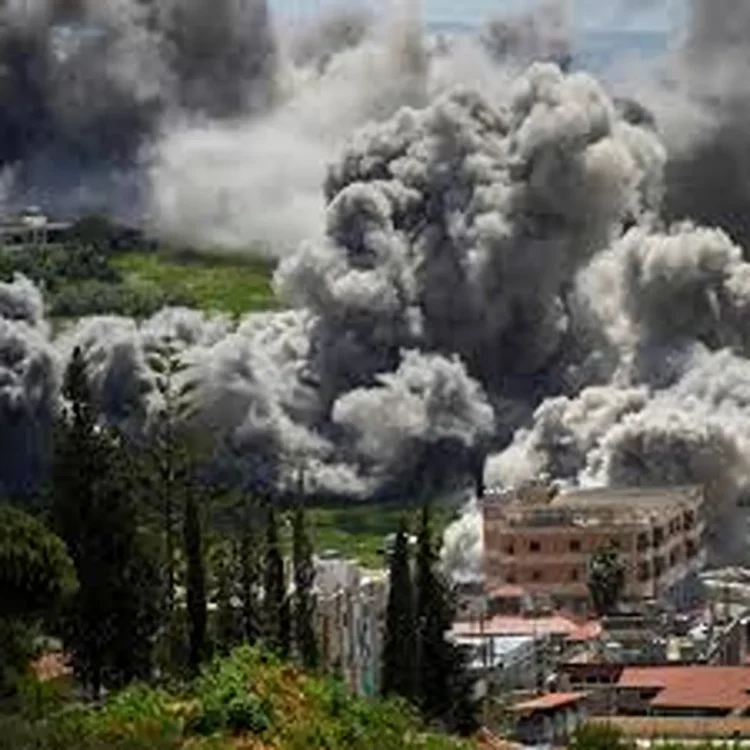
The recent surge in violence was largely driven by Israel’s operations targeting Hezbollah, a group backed by Iran that holds significant influence in southern Lebanon. Although Lebanon itself is not formally at war with Israel, Hezbollah’s actions have triggered retaliatory strikes, resulting in widespread damage within Lebanese territory.
The success of the ceasefire may largely depend on whether Hezbollah refrains from launching further attacks. While the group is not officially part of the agreement, reports suggest it may observe the truce if Israel exercises restraint.
Regional Reactions and Strategic Implications
Iran has also signaled support for the ceasefire. Its parliamentary speaker, Mohammad Bagher Ghalibaf, indicated that stability in Lebanon holds equal importance to developments within Iran, reflecting the interconnected nature of regional tensions.
The ceasefire follows diplomatic engagement in Washington, where representatives from Israel and Lebanon met earlier in the week with the involvement of US Secretary of State Marco Rubio. These talks played a crucial role in shaping the current agreement.
Uncertain Path Ahead
While the ceasefire offers temporary relief, its durability remains uncertain. Past experiences in the region suggest that maintaining calm will require consistent restraint from all sides, as well as continued diplomatic efforts.
Observers note that even a short pause in fighting can help create space for negotiations, humanitarian relief, and confidence-building measures. However, achieving lasting peace will depend on addressing deeper political and security challenges that have fueled the conflict for years.