
Artificial Intelligence – Trump Says US Must Stay Ahead of China
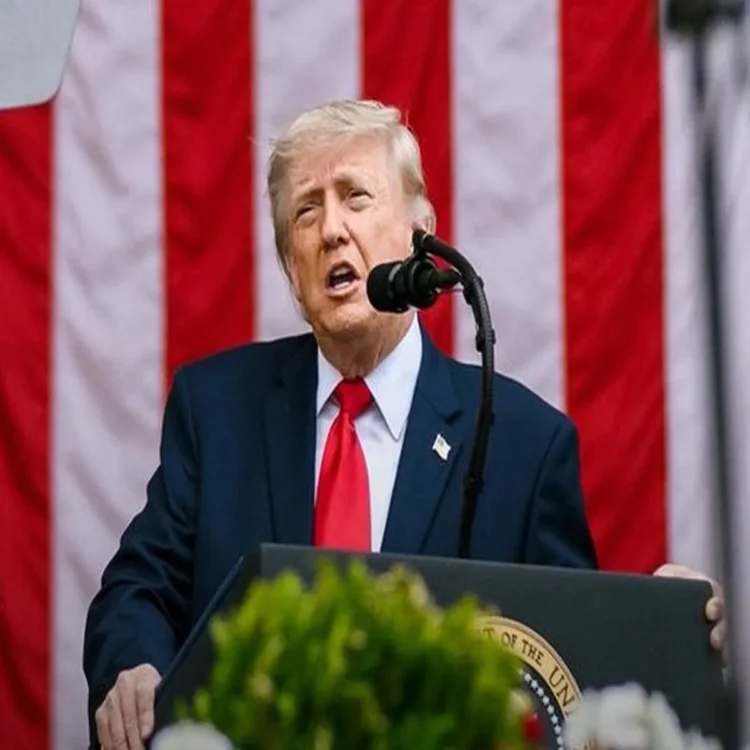
Artificial Intelligence – US President Donald Trump has said the United States must protect its lead over China in artificial intelligence, calling AI a technological shift that could have a greater long-term impact than the internet.
AI leadership and global competition –
In an interview with CNBC, Trump said the country that leads the development of artificial intelligence will hold a major advantage in the global economy and technology sector. He argued that the United States is currently ahead of China and other competitors, but said the position must be maintained.
Trump described AI as a far more significant development than the internet, saying the technology could reshape industries, national security, scientific research and global influence. He said the race for leadership in AI was becoming one of the most important strategic contests between major economies.
Rising electricity demand for AI –
The President said the rapid expansion of artificial intelligence infrastructure will require a major increase in electricity supply. AI systems depend on large data centres, high-performance computing equipment and advanced cooling systems, all of which consume substantial amounts of power.
Trump said the AI industry alone could require the country to double its existing electricity capacity. He said his administration had allowed companies building large AI-related facilities to develop their own power-generation plants as part of their projects.
According to Trump, this approach was intended to prevent energy shortages from slowing investment in AI infrastructure. He argued that faster approvals for private power facilities would help the United States retain its technological edge.
Approach to AI regulation –
Trump said artificial intelligence needs safeguards, particularly where national security and public safety are concerned. However, he warned that excessive regulation could limit innovation and allow competing countries to move faster.
He said the administration would act quickly if it identified companies or individuals using AI in ways that could create security risks. Trump added that the government should intervene when necessary while avoiding rules that could unnecessarily burden the wider technology sector.
Semiconductor production remains a priority –
Trump also connected AI development with his administration’s push to expand semiconductor manufacturing in the United States. Advanced chips are essential for training and operating AI models, making chip production a central part of the competition between Washington and Beijing.
He said major semiconductor companies are building new facilities in Arizona and other parts of the country. Trump predicted that the United States could regain a large share of global chip manufacturing during his time in office.
The President said the country had lost much of its semiconductor production capacity to Asian markets over previous decades. He specifically pointed to Taiwan as a major hub for global chip manufacturing, while also mentioning South Korea’s role in the industry.
Intel support and government stake claim –
Trump said his administration had explored taking an equity stake in Intel while helping the chipmaker address its financial and operational challenges. He claimed the government’s approach had created significant value within a short period.
The comments come as the United States continues to invest in domestic semiconductor capacity through public incentives, private investment and national security-focused industrial policies. The aim is to reduce dependence on overseas supply chains and strengthen access to advanced computing technologies.
Artificial intelligence has become a key area of competition between the United States and China. Both countries are increasing investment in AI research, advanced computing, chip production and commercial applications. Governments increasingly see AI leadership as important for future economic growth, defence capability and influence in global technology markets.