
Agriculture – Nepal Marks National Paddy Day Amid Concerns Over Drier Monsoon Outlook
Agriculture – Farmers across Nepal celebrated National Paddy Day with traditional rice planting festivities while preparing for challenging weather conditions expected during the 2026 monsoon season.
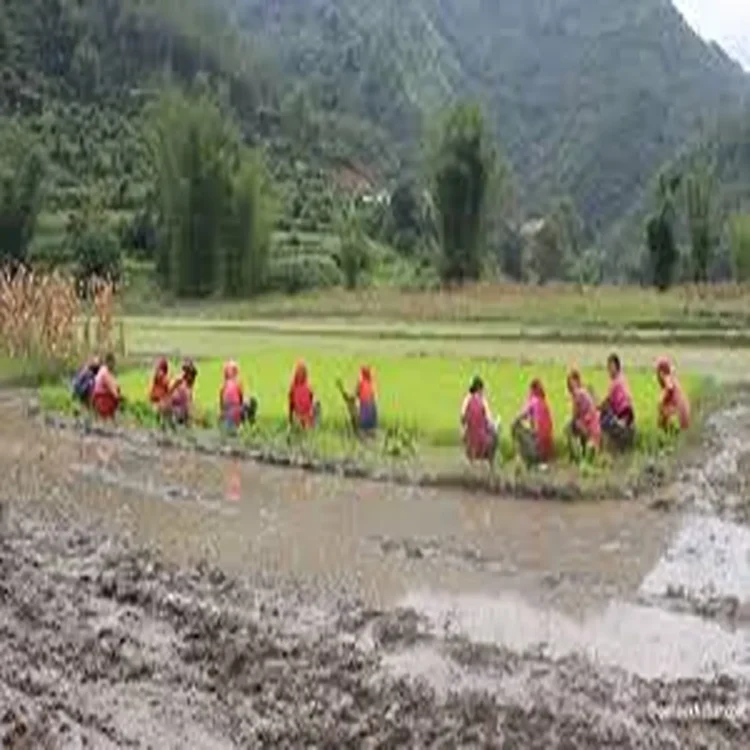
Farmers Celebrate National Paddy Day with Traditional Rice Planting Festivities
People across Nepal welcomed the beginning of the rice planting season with colourful celebrations as communities observed National Paddy Day in Sindhuli district. Hundreds of residents gathered in Marin Rural Municipality to take part in traditional paddy transplantation activities that blended agricultural work with long-standing cultural customs.
The celebration featured oxen and buffaloes ploughing muddy fields, friendly tug-of-war contests, folk songs associated with rice planting, and joyful scenes of participants splashing mud and water on one another. Representatives from different ethnic communities joined the event, highlighting the cultural importance of the annual occasion.
Tradition Continues Alongside Farming Activities
While the festival atmosphere attracted visitors and local residents, farmers remained focused on preparing their fields for cultivation. They carefully levelled the land to ensure proper water flow before transplanting young rice seedlings, an essential step for healthy crop development.
National Paddy Day, officially observed since 2005, coincides with the traditional start of Nepal’s rice cultivation season following the arrival of the monsoon. The occasion is also widely recognised as the “Dahi-Chiura” day, when families and farming communities share beaten rice, curd, pickles and other traditional foods after working in the fields.
Rice Remains Vital to Nepal’s Economy
Rice continues to play a central role in Nepal’s agriculture and food security. The crop is cultivated from the lowland Terai region to high-altitude farming areas in Jumla. Millions of households depend on paddy farming as their primary source of livelihood.
Although domestic production has improved in recent years, annual demand still exceeds total output, resulting in continued rice imports. Government data also indicate that consumer demand for premium and aromatic rice varieties has contributed to higher import volumes despite gains in national productivity.
Dry Monsoon Forecast Raises Agricultural Concerns
This year’s celebrations took place against the backdrop of forecasts predicting below-normal rainfall across much of Nepal. Climate assessments suggest that the developing El Nino pattern could weaken the southwest monsoon and reduce seasonal precipitation between June and September.
Weather authorities have projected varying probabilities of below-average rainfall across several provinces, while temperatures are expected to remain higher than normal in many parts of the country. Such conditions could affect water availability for irrigation and increase pressure on agricultural production.
Local Authorities Strengthen Irrigation Support
Officials in Marin Rural Municipality said preparations have already begun to reduce the impact of possible water shortages. The local administration has started distributing irrigation equipment, including water pumps and pipes, to help farmers access water from rivers, ponds and wells if rainfall remains insufficient.
According to local representatives, the initiative aims to support crop transplantation, protect agricultural production and improve farmers’ ability to manage prolonged dry periods through lift irrigation systems.
Experts Warn of Multiple Climate Risks
Climate specialists caution that a weaker monsoon does not necessarily reduce disaster risks. Research indicates that prolonged dry spells may still be interrupted by short periods of intense rainfall, increasing the possibility of flash floods and landslides, particularly in Nepal’s hilly regions.
Scientists also warn that rising temperatures, reduced snow storage in the Himalayan region and increasing pressure on water resources could create additional challenges for agriculture, disaster management and food security across South Asia. They recommend stronger early warning systems, better coordination among government agencies and improved local preparedness to respond to both drought and extreme rainfall events during the same season.