
International Connectivity – Amritsar Joins India’s Expanding Hub and Spoke Aviation Network
International Connectivity – Amritsar has taken a significant step toward improving international air travel after becoming the second Indian airport to be included in the government’s Hub and Spoke aviation model. The initiative is designed to simplify overseas journeys by allowing passengers to complete key travel formalities before reaching Delhi, reducing transit hassles and expanding access to international destinations.
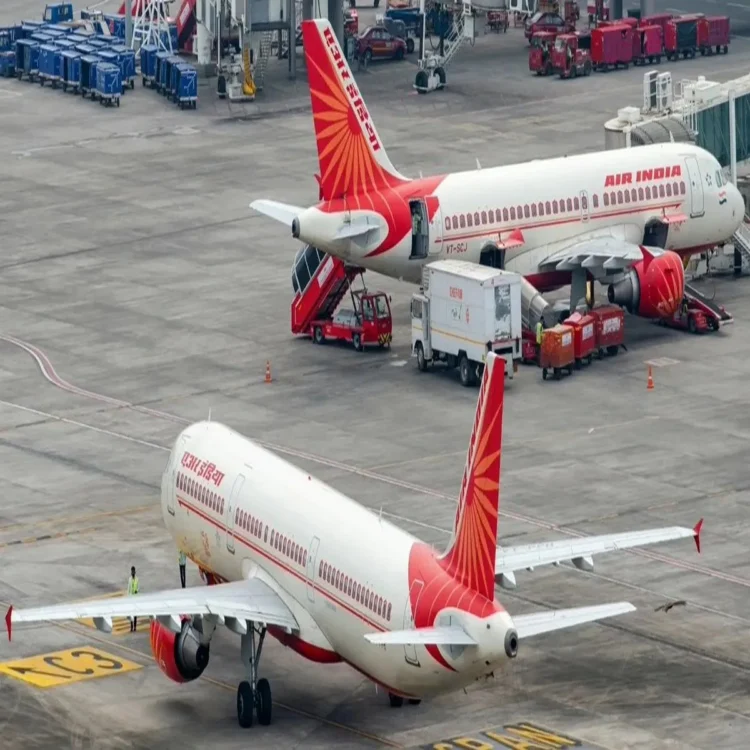
The Union Government officially launched Hub and Spoke international flight operations from Amritsar on Tuesday. The airport now follows Varanasi, which became the first city to adopt the new aviation system earlier this year. The move is expected to enhance travel convenience for passengers from Punjab and surrounding northern states while strengthening India’s international aviation network.
Easier Access to More Overseas Destinations
Before the introduction of the new system, Amritsar offered direct international flights to only seven destinations. With the Hub and Spoke framework now in place, passengers departing from the city will gain seamless access to more than 20 global destinations through Delhi Airport.
Civil Aviation Minister Ram Mohan Naidu said the upgraded arrangement allows travelers to complete their journey with a single check-in process and one baggage tag. This means luggage will be transferred directly to the final international destination without requiring passengers to collect and recheck bags during transit in Delhi.
Pre-Departure Formalities Completed at Amritsar
Under the new arrangement, international travelers can finish check-in, immigration and customs procedures at Amritsar Airport before boarding their domestic flight to Delhi. Once they arrive at the national capital, they can proceed directly to their connecting international flight without repeating immigration or customs checks.
Officials believe this integrated process will make overseas travel considerably smoother, particularly for passengers making long-distance international connections.
Passenger Numbers Expected to Increase
According to the Civil Aviation Ministry, approximately 150,000 passengers travel annually from Amritsar to Delhi to catch international flights. A similar number of travelers returning from overseas also transit through Delhi before reaching Amritsar.
With travel procedures becoming more efficient, the ministry expects passenger traffic to rise steadily in the coming years as more people choose the simplified route for international journeys.
Building on the Success of Varanasi
The Amritsar rollout comes after the successful implementation of India’s first Hub and Spoke operations at Varanasi, which began on June 25. Since then, travelers from Varanasi have been connected through Delhi to 18 international destinations using the integrated travel system.
Officials say the positive response from passengers has demonstrated the effectiveness of the model in reducing travel complexity while improving the overall airport experience.
Amritsar Positioned as a Key Regional Gateway
In a recorded message, Civil Aviation Minister Ram Mohan Naidu described Delhi as the central hub of the network, with Amritsar expected to emerge as a major international gateway for Punjab, Jammu and Kashmir, and Himachal Pradesh.
He noted that Amritsar’s strong connections with the Indian diaspora, religious tourism, business travel and regional passenger demand make it well suited for expanded international connectivity.
Wider Economic Benefits Anticipated
Apart from improving passenger convenience, the government believes the initiative will contribute to broader economic growth. Better international connectivity is expected to support tourism, trade, investment and regional development across northern India.
Studies conducted by the Civil Aviation Ministry estimate that the continued expansion of aviation hub operations could create nearly 400,000 direct and indirect jobs while adding around $30 billion to India’s economy by 2030, highlighting the long-term impact of the country’s aviation infrastructure strategy.