
Heatwave – Cities Grow Hotter as Urban Living Impacts Public Health
Heatwave – Stepping out into any large city today, the intensity of heat feels noticeably sharper and more exhausting than before. This shift is not just a matter of perception. Scientific observations show that urban regions are warming at a faster rate compared to nearby rural areas, and this rise in temperature is increasingly affecting human health.
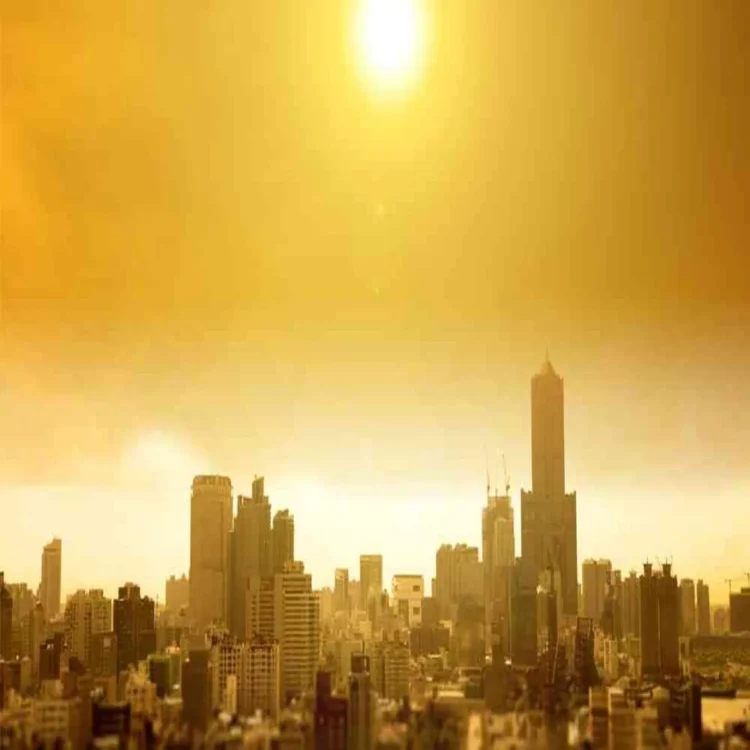
Urban design contributing to rising heat
Experts attribute this phenomenon to the Urban Heat Island effect, where cities experience higher temperatures due to dense infrastructure and limited natural landscapes. Buildings made of concrete, wide asphalt roads, and minimal tree cover absorb and retain heat throughout the day. As a result, cities release this stored heat slowly after sunset, preventing temperatures from dropping significantly at night.
Medical professionals note that even a small temperature difference between urban and rural areas can have serious consequences. A rise of just a few degrees can place additional strain on the human body, especially when exposure is prolonged.
Health risks linked to extreme urban heat
Doctors are reporting a steady increase in patients experiencing heat-related conditions. Among the most severe is heat stroke, a condition where the body loses its ability to regulate temperature. In such cases, sweating may stop entirely, and body temperature can rise dangerously high, requiring immediate medical attention.
Heat exhaustion is another common issue, often underestimated despite its widespread occurrence. It develops when the body loses excessive fluids and essential salts through sweating. Individuals may feel weak, dizzy, and unusually fatigued, making daily activities difficult.
A less commonly discussed but serious condition is rhabdomyolysis. This occurs when muscle tissue breaks down due to extreme heat and physical exertion. The condition can lead to kidney damage and, in severe cases, become life-threatening if not treated promptly.
Beyond these conditions, rising temperatures are also aggravating existing health problems. People with heart disease, respiratory issues, diabetes, and mental health conditions are particularly vulnerable. At the same time, milder symptoms such as heat rashes, muscle cramps, and fainting episodes are becoming increasingly frequent in urban populations.
Everyday precautions can reduce risk
While the challenges posed by urban heat are significant, experts emphasize that simple daily habits can help reduce health risks. Staying hydrated is essential, even when there is no immediate feeling of thirst. Water intake should be consistent throughout the day, while beverages like caffeine and alcohol should be limited due to their dehydrating effects.
Avoiding outdoor activities during peak afternoon hours can also make a substantial difference. Wearing loose, breathable clothing allows the body to cool more effectively, and protective accessories such as hats, sunglasses, or umbrellas can help minimize direct heat exposure.
Keeping indoor environments cool is equally important. Simple measures like ventilation, shading, and using cooling devices can create a safer living space during extreme heat conditions.
Recognising early warning signs
Awareness plays a critical role in preventing serious health complications. Early symptoms of dehydration and heat stress often include headaches, fatigue, dizziness, and nausea. Identifying these signs early allows for timely intervention, reducing the risk of more severe conditions.
A growing need for long-term solutions
As global temperatures continue to rise, the issue of urban heat is becoming more than just a seasonal concern. It reflects broader challenges in city planning and environmental management. Increasing green spaces, improving urban design, and adopting sustainable practices are essential steps toward creating healthier living environments.
For now, understanding the risks and taking preventive measures remain the most effective ways to cope with the intensifying heat. In rapidly warming cities, protecting health is no longer optional but a necessary part of everyday life.