
Platform-Based: Rising Gig Earnings and the Debate Around Work in India
Platform-Based: The discussion around gig economy fairness in India has intensified in recent times, especially after delivery partners raised concerns through protest calls. At the center of this debate is Zomato, whose founder has publicly shared data and reasoning to defend the flexibility-driven model. The issue goes beyond a single platform and touches upon income growth, worker autonomy, safety, and the future of gig-based employment in a rapidly evolving digital economy.
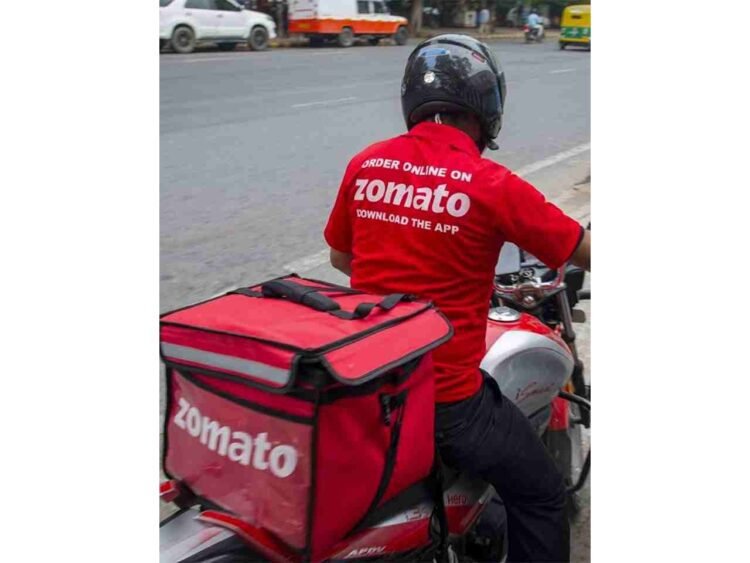
Income Growth Among Delivery Partners
According to statements shared by Deepinder Goyal, the average hourly earnings of delivery partners witnessed a year-on-year increase of nearly 10.9 percent in 2025. The average hourly payout reportedly reached around Rs 102 compared to Rs 92 in the previous year. These figures exclude tips, indicating that base earnings alone have shown steady growth. Over time, this rise suggests that the platform-based delivery ecosystem has gradually improved income opportunities for individuals who rely on such work either part-time or as a supplementary source of earnings.
Understanding Monthly Earnings Calculations
Goyal explained the earning structure using a simple monthly scenario. If a delivery partner works approximately 10 hours a day for 26 days in a month, gross earnings can reach around Rs 26,500. After factoring in expenses such as fuel and vehicle maintenance, which may amount to nearly 20 percent, net earnings are estimated at roughly Rs 21,000 per month. Importantly, these calculations are based on total logged-in hours, which include waiting time and not just active delivery trips, offering a transparent view of how income is structured.
Flexibility as the Core of the Gig Model
One of the most emphasized aspects of the gig economy is flexibility. Data shared by Goyal indicates that the average delivery partner worked only about 38 days in the entire year of 2025, with an average of seven hours per working day. Only a small fraction of partners worked more than 250 days annually. This pattern highlights that most participants do not treat delivery work as a conventional full-time job but as a flexible earning option that can be adjusted according to personal schedules, financial needs, or other commitments.
Employment Benefits Versus Gig Freedom
The demand for traditional employee benefits such as provident fund contributions or fixed salaries has been a contentious issue. Goyal argued that imposing full-time employment structures on gig roles would undermine the very foundation of the model. The platform, he stated, is designed to offer autonomy rather than long-term employment guarantees. For many workers, the appeal lies in the ability to log in and log out at will, choose working hours, and avoid rigid shift allocations.
Addressing Safety and Delivery Speed Concerns
Safety concerns, especially related to rapid delivery promises, have also been raised in public discourse. Goyal clarified that delivery partners are not shown customer-facing countdown timers or strict delivery deadlines. The speed of delivery is primarily influenced by store proximity rather than aggressive driving. For instance, Blinkit reportedly recorded an average delivery distance of just over two kilometers per order, with moderate average driving speeds. This data suggests that efficiency comes from logistics optimization rather than unsafe practices.
Insurance and Social Support Initiatives
In 2025, Zomato and its quick commerce arm reportedly spent over Rs 100 crore on insurance coverage for delivery partners. This included accident insurance, medical coverage, and compensation for loss of pay in certain situations. Additional measures such as rest days for women partners, assistance with income tax filing, and enrollment support for pension schemes were also highlighted. These initiatives aim to provide a basic safety net while maintaining the independent nature of gig work.
Freedom of Choice and Low Entry Barriers
Another key argument in favor of the gig model is the freedom it offers. Delivery partners can choose where they work, when they work, and how often they log in, without being tied to assigned shifts or specific geographic zones. The absence of complex qualification requirements or entry barriers makes this form of work accessible to a wide segment of the population, particularly those seeking short-term or supplementary income.
Support From Industry Voices
The debate gained further attention when Sanjeev Bikhchandani, founder of Info Edge, publicly supported Goyal’s stance. He praised the explanation of the gig model and criticized what he viewed as selective outrage against platform-based companies. His remarks added an industry perspective to the ongoing conversation around labor rights and economic realism.
Political Criticism and Public Debate
On the political front, calls to ban ultra-fast delivery services have been raised by leaders such as Raghav Chadha of the Aam Aadmi Party. Critics argue that such platforms exploit workers for corporate gain. In response, Goyal has consistently maintained that the gig economy has made labor more visible and empowered workers through direct consumer interaction, even if it has also sparked uncomfortable debates about inequality.
The Broader Implication for Gig Work in India
The discussion around Zomato and its delivery partners reflects a larger national conversation about the future of work. As digital platforms continue to expand, balancing flexibility, fair earnings, and social security will remain a challenge. The gig economy may not be a one-size-fits-all solution, but for millions, it provides an accessible and adaptable way to earn in a fast-changing economic landscape.