
Sanctions – US Forces Stop Iranian Oil Tanker Near Gulf of Oman Route
Sanctions – A fresh confrontation unfolded in international waters after the United States military intercepted an Iranian-flagged oil tanker that was reportedly heading toward an Iranian port through the Gulf of Oman. According to a statement issued by the US Central Command, the vessel identified as Hasna was prevented from continuing its journey after its crew allegedly ignored multiple warnings from American forces.
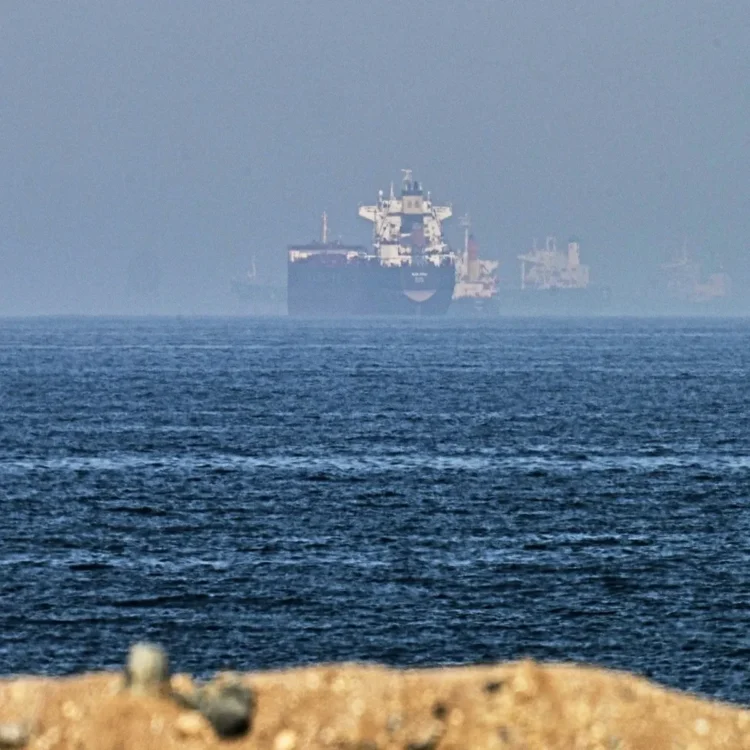
Tanker Reportedly Disabled During Naval Operation
US Central Command stated that the incident occurred on Wednesday morning at around 9 a.m. Eastern Time while the tanker was sailing through international waters. Officials said the ship was not carrying oil cargo at the time of the operation. American forces later targeted the vessel’s steering system in an effort to stop its movement toward Iran.
The military operation involved a US Navy F/A-18 Super Hornet launched from the aircraft carrier USS Abraham Lincoln. The fighter jet reportedly fired rounds from its 20mm cannon, damaging the rudder of the tanker and forcing it to halt its transit. US officials later confirmed that the vessel was no longer proceeding toward Iranian territory.
Washington Maintains Maritime Restrictions
American authorities also reiterated that restrictions on ships entering or leaving Iranian ports remain active. The latest action comes amid heightened regional tensions and ongoing pressure campaigns linked to Iran’s military and nuclear activities.
Just a day before the tanker incident, US President Donald Trump announced that the Pentagon would no longer assist commercial vessels moving out of the Strait of Hormuz. However, he stressed that measures targeting Iranian maritime operations would continue without interruption.
Trump Claims Major Damage to Iranian Military Assets
During remarks delivered at the White House, President Trump claimed that Iran’s military strength had suffered extensive destruction during recent hostilities. He asserted that large sections of the country’s naval and air capabilities had been severely impacted.
Trump stated that Iran previously possessed a significant naval fleet, but claimed many vessels had been destroyed. He also alleged that Iranian aircraft capabilities had been largely wiped out and that several military defense systems, including radar installations and missile stockpiles, had been heavily weakened.
The US President further claimed that senior Iranian leadership figures had been eliminated during the conflict, presenting the developments as evidence of a strategic victory for Washington.
Possibility of Diplomatic Negotiations Remains Open
Despite the sharp rhetoric, Trump suggested there may still be room for diplomatic engagement between the two countries. Speaking to reporters, he said discussions over the past 24 hours had been positive and indicated that a possible agreement could emerge in the near future.
When questioned about Iran’s stance, Trump dismissed suggestions that Tehran continued to resist US pressure. He argued that outside observers could not accurately determine Iran’s internal position regarding negotiations.
Nuclear Issue Continues to Drive Tensions
The US administration has consistently maintained that preventing Iran from obtaining nuclear weapons remains a central foreign policy objective. Trump repeated that position once again during his comments, emphasizing that Washington would not accept any scenario in which Tehran acquires nuclear arms.
The latest maritime action and political statements are expected to draw international attention as global powers continue monitoring developments in the Gulf region, one of the world’s most strategically important energy corridors.