
Infrastructure – India Faces Massive Urban Investment Demand Ahead of 2037 Growth
Infrastructure – India is preparing for a major transformation in urban infrastructure as cities expand rapidly and economic activity increasingly shifts toward metropolitan regions. A recent assessment by Brickwork Ratings estimates that the country will require close to Rs 80 lakh crore in urban infrastructure spending by 2037 to meet rising demands linked to population growth, housing, transport, and public services.
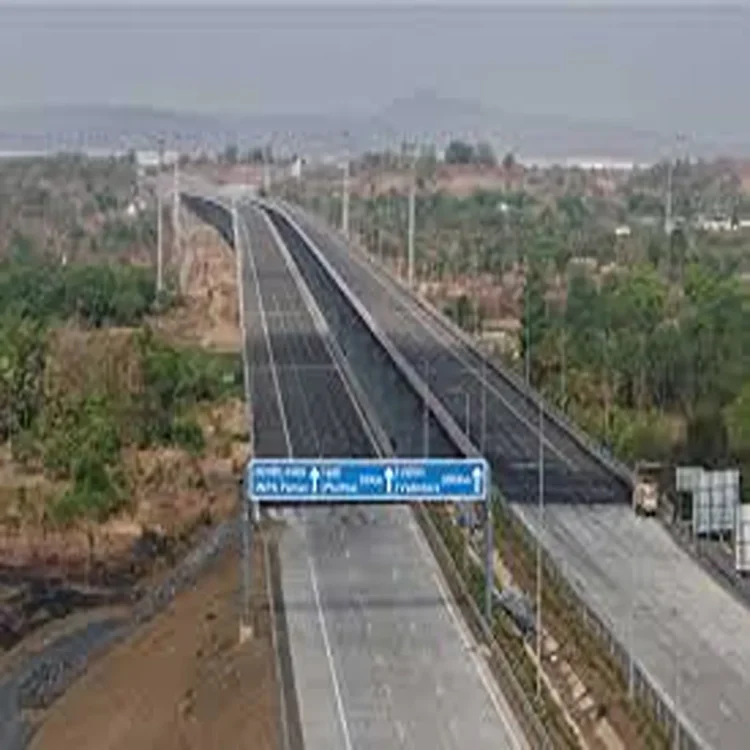
The report underlined that Indian cities are expected to account for nearly 70 percent of the national gross domestic product by 2036. With urban centres becoming the backbone of economic growth, experts believe long-term and sustainable financing systems will be essential to support development projects across the country.
Shift Towards Market-Driven Urban Financing
According to the report, the Centre’s Urban Challenge Fund, backed by an allocation of Rs 1 lakh crore, is expected to change how city infrastructure projects are financed. The initiative aims to gradually reduce dependence on direct government grants and encourage cities to raise funds through financial markets and institutional partnerships.
Analysts said the programme could potentially unlock nearly Rs 4 lakh crore in urban investments over the next five years. The structure of the scheme has been designed to push urban local bodies toward greater financial accountability while attracting private and institutional participation in city projects.
Under the proposed funding framework, municipalities will need to secure at least half of the required project funding independently before receiving central assistance. This financing may come through municipal bonds, commercial bank loans, or public-private partnership arrangements. The Union government will contribute 25 percent of project expenses, while state governments and local urban bodies will finance the remaining portion.
Credit Ratings to Play Larger Role
The report pointed out that financial discipline and transparency are likely to improve under this model, especially as cities seek access to market-based borrowing options. Creditworthiness is expected to become increasingly important for urban centres attempting to attract investors and lenders.
Smaller and emerging cities, particularly Tier-II and Tier-III urban regions, may need stronger financial management systems and improved governance standards to secure favourable credit ratings. Industry observers believe this could eventually lead to more structured urban planning and better project execution.
Municipal Bond Market Still Developing
Despite growing interest in urban financing, the municipal bond market in India remains relatively underdeveloped. The report noted that since FY18, only 17 cities have issued municipal bonds, collectively raising around Rs 45.4 billion.
Manu Sehgal stated that the low number of bond issuances reflects the significant untapped potential in the sector. Financial experts believe that expanding municipal debt markets could become a critical source of funding for future urban infrastructure projects, especially as traditional government support becomes limited.
The study also highlighted improving investor sentiment toward municipal bonds. Yield spreads compared with the Reserve Bank of India’s repo rate have narrowed sharply, falling from nearly 480 basis points in FY20 to around 155 basis points by FY26. Analysts say this decline indicates stronger investor confidence and a reduced perception of risk in city-level borrowing instruments.
Smaller Cities May Receive Financial Support
The report further observed that many smaller urban local bodies continue to face difficulties in accessing market debt due to weak financial capacity and limited institutional frameworks. More than 4,200 urban local bodies, along with several towns in the north-eastern region, currently remain outside mainstream debt markets.
To address this issue, the Urban Challenge Fund includes a Rs 5,000 crore Credit Repayment Guarantee Scheme aimed at supporting smaller municipalities. The mechanism is expected to improve lender confidence and help local administrations secure financing for essential civic infrastructure projects.
Urban planners believe such measures could help bridge the infrastructure gap across emerging cities while supporting balanced regional development as India’s urban population continues to rise over the coming decade.