
Exams – Parliament Clears Tougher Anti-Paper Leak Law Backed by Prime Minister Modi
Exams – The government has described the newly approved anti-paper leak legislation as a major step towards strengthening India’s public examination process and protecting the interests of students.
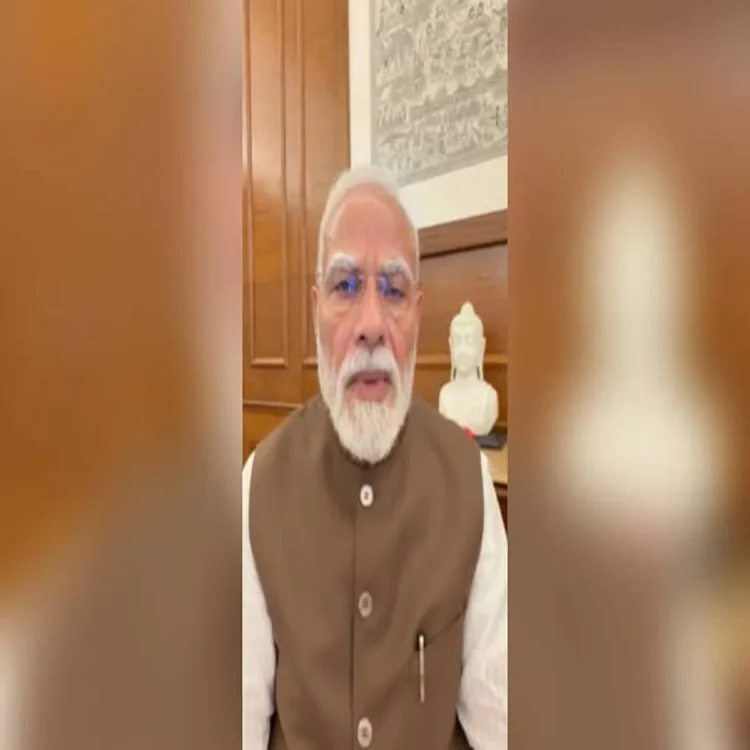
Prime Minister Narendra Modi has welcomed Parliament’s approval of the Public Examinations (Prevention of Unfair Means) Amendment Bill, 2026, saying the government remains committed to creating a transparent, reliable, and efficient examination system. In a video message shared on Instagram shortly after the legislation cleared both Houses of Parliament, the Prime Minister said the reforms reflect a sustained effort to improve the credibility of public examinations across the country.
Government Highlights Ongoing Measures
The Prime Minister said the issue of question paper leaks has existed for many years and has affected recruitment and examination processes at both the Central and state levels. According to him, the government has already introduced multiple initiatives to tackle the problem, including the formation of a dedicated task force, the establishment of fast-track courts, and consultations with state governments to improve examination security.
He stated that these measures are part of a broader strategy aimed at building a dependable examination framework capable of preventing unfair practices and restoring confidence among students.
Stronger Law to Target Paper Leak Networks
Referring to the passage of the amendment, Modi said the government had fulfilled its commitment to introduce stricter legal provisions against examination-related crimes. He noted that the legislation received detailed discussion in Parliament before being approved by both the Lok Sabha and the Rajya Sabha.
The Prime Minister said those involved in organised paper leak operations and examination fraud would face strict legal action. He added that networks responsible for manipulating examinations and jeopardising students’ futures would not be allowed to operate without consequences.
Focus on Long-Term Examination Reforms
Modi said paper leak incidents have damaged the prospects of young candidates for years, making comprehensive reforms essential. He described the newly passed law as an important milestone in the government’s broader efforts to establish an examination system that meets high standards of fairness and reliability.
He also indicated that legislative changes alone would not be sufficient and that continuous improvements in examination administration would remain a priority in the coming years.
Appeal for Public Support
Concluding his message, the Prime Minister urged citizens to support the campaign against examination malpractice. He said collective participation would help ensure that such incidents become less frequent and contribute to the larger goal of building a developed India with stronger educational institutions.
The appeal emphasized cooperation between the government, educational authorities, and the public in protecting the integrity of competitive examinations.
Parliament Approves Amendment Bill
The Public Examinations (Prevention of Unfair Means) Amendment Bill, 2026, received Parliament’s approval after the Rajya Sabha passed it through a voice vote on Thursday. The legislation had already been cleared by the Lok Sabha a day earlier. The Upper House vote took place amid a walkout by Opposition members.
The amendment significantly strengthens the legal framework governing examination-related offences. Under the revised provisions, individuals convicted of paper leaks and other unfair examination practices can face imprisonment ranging from five to ten years along with fines of up to Rs 50 lakh. Cases involving organised criminal networks will attract a minimum prison sentence of seven years and financial penalties that may extend to Rs 10 crore.
The government has maintained that these tougher provisions are intended to deter organised examination fraud and reinforce public confidence in recruitment and academic assessment processes across the country.