
MiddleEastConflict – Israel-Iran Strikes Intensify Amid Fragile Truce Efforts
MiddleEastConflict – Fresh instability gripped West Asia after Israel carried out targeted military operations against Iran, leading to a series of explosions in several key Iranian cities. The developments marked a significant escalation in an already volatile regional situation, with both military actions and diplomatic efforts unfolding simultaneously.
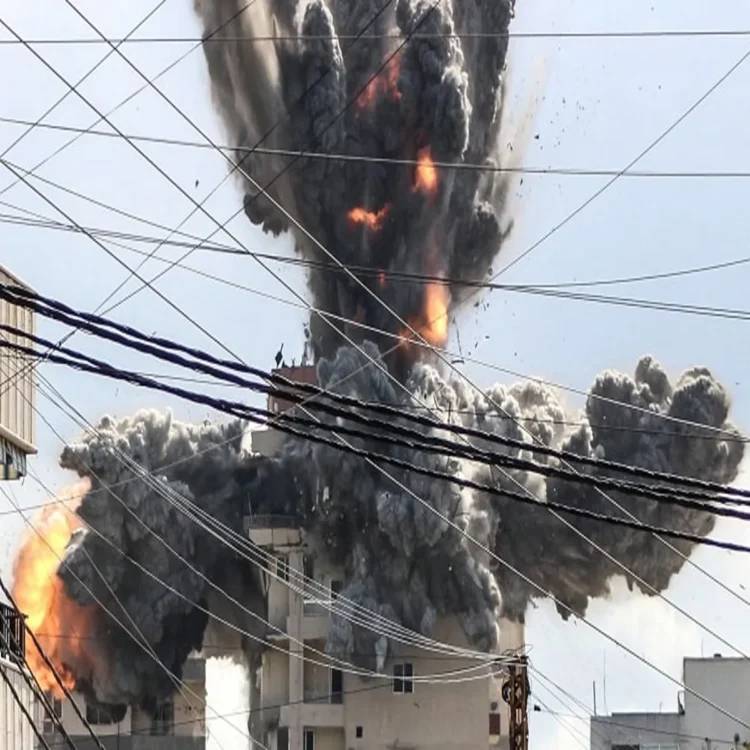
Explosions Reported Across Major Iranian Cities
Iranian state media reported that multiple blasts were heard overnight in different parts of the country. According to official news agency reports, at least two powerful explosions occurred in the capital, Tehran. Similar incidents were also reported in Isfahan, where residents heard several loud detonations.
State broadcaster reports indicated that the impact was not limited to a single location. Explosions were also reported in Tabriz, suggesting that the military activity extended across multiple urban centers.
Escalation Follows Iranian Missile Launches
The latest developments came shortly after Iran launched a new wave of missiles toward Israel. In response, the Israel Defense Forces stated that its air force was actively engaged in intercepting incoming threats while conducting operations against targets considered a security risk.
Israeli authorities later announced that all incoming projectiles had been intercepted successfully. Emergency response agencies reported no casualties resulting from the missile attacks.
Iranian military adviser Mohsen Rezaee described the missile launch as a warning directed at Israel. Speaking to Iranian media, he said the action was intended to pressure Israel to halt what Tehran considers hostile activities in Lebanon.
Lebanon Conflict Adds to Regional Pressure
The renewed confrontation between Israel and Iran comes against the backdrop of growing tensions involving Hezbollah. Earlier on Sunday, the Lebanon-based group launched attacks into northern Israel, prompting Israeli airstrikes on a southern suburb of Beirut.
According to local reports, the retaliatory operation resulted in two deaths and left 11 people injured. The exchange highlighted the increasingly interconnected nature of regional conflicts involving Israel, Iran, and Hezbollah.
Washington Pushes for Diplomatic Progress
Amid the military exchanges, the United States has continued efforts to preserve a fragile ceasefire and advance negotiations with Tehran. US President Donald Trump reiterated that his administration remains committed to achieving a diplomatic solution despite the latest violence.
Speaking in media interviews following the attacks, Trump urged restraint and encouraged Iranian leaders to return to negotiations. He emphasized that diplomacy remains the preferred path for resolving disputes and reducing the risk of wider conflict.
At the same time, reports indicated that the US president expressed concern over recent Israeli military actions in Beirut. According to media accounts, he also intended to discourage any additional retaliatory strikes that could further destabilize the region.
Disputes Over Assets and Sanctions Continue
One of the main obstacles in ongoing negotiations remains the issue of frozen Iranian financial assets. Discussions between Washington and Tehran have stalled over demands related to the release of billions of dollars currently blocked under international sanctions frameworks.
While some reports suggested that the US administration was considering plans involving those funds, Trump later clarified that no frozen assets would be released and no sanctions relief would be offered as part of an initial agreement.
He stated that any future decisions regarding Iranian assets would depend on broader progress in relations and confidence-building measures between the two sides.
Iran Rejects US Economic Proposals
Iranian officials responded critically to the reported proposals. Deputy Foreign Minister Kazem Gharibabadi argued that Iranian assets belong to the Iranian people and should not be used for other regional purposes.
He also reiterated Tehran’s demand for compensation related to damage caused during previous hostilities involving Israel and the United States. Iranian officials continue to maintain that progress in negotiations depends on addressing broader regional security concerns, including the situation in Lebanon.
Uncertain Future for Peace Efforts
The latest military exchanges have raised concerns about the future of ongoing diplomatic initiatives. Negotiators are attempting to preserve the current truce, secure the reopening of important maritime routes such as the Strait of Hormuz, and establish a framework for future discussions surrounding Iran’s nuclear program.
However, with tensions rising on multiple fronts and key issues remaining unresolved, the prospects for a lasting agreement remain uncertain. Regional leaders and international mediators now face increasing pressure to prevent the situation from escalating into a broader confrontation.