
Safety Compliance – Delhi Faces Renewed Scrutiny After Two Deadly Urban Disasters
Safety Compliance – Within a matter of days, South Delhi was shaken by two major tragedies that left dozens of families grieving and raised fresh concerns about urban safety. A building collapse in Saidulajab near the Saket Metro area resulted in multiple deaths, and before residents could recover from the shock, a devastating fire at an unauthorized guesthouse in Malviya Nagar claimed 22 lives.
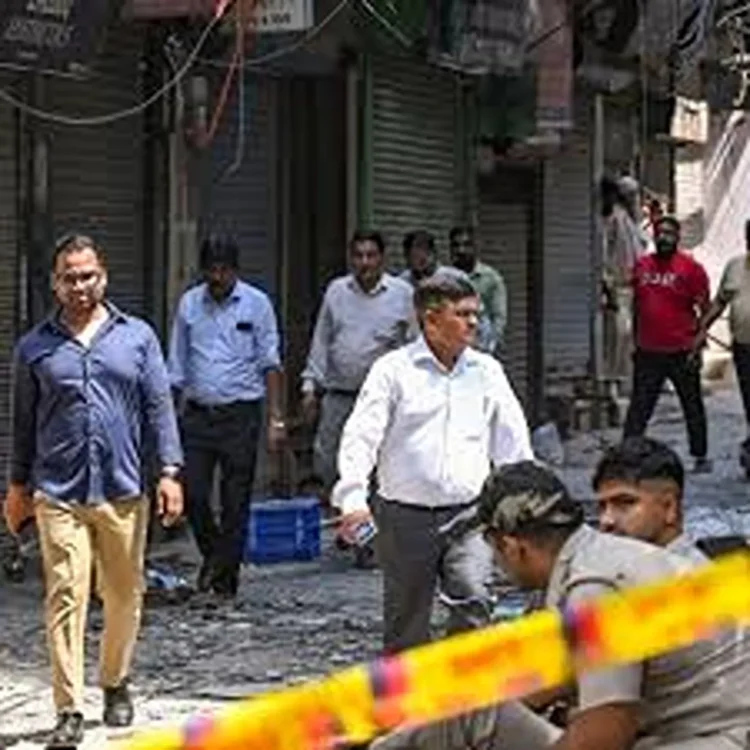
Separate Incidents, Common Concerns
Although the two events occurred under different circumstances, both have highlighted deeper issues linked to regulatory failures and inadequate enforcement. Investigators and residents alike are questioning how serious violations could continue unchecked despite existing rules designed to prevent such disasters.
The building collapse in Saidulajab had consequences far beyond the structure itself. A nearby eatery, popular among students and job seekers preparing for examinations or searching for employment opportunities, was crushed under the debris. Many of the victims were individuals pursuing better futures in the national capital.
Questions Over Safety Standards
The Malviya Nagar fire has triggered similar concerns. Early findings indicate that the guesthouse may have been operating without meeting several mandatory safety requirements. Authorities are examining whether proper permissions, inspections, and fire protection measures were in place before the tragedy occurred.
As often happens after such incidents, allegations of negligence and corruption have surfaced against officials associated with local regulatory bodies, including the Municipal Corporation of Delhi (MCD). Suspensions have been announced, inquiries launched, and assurances of corrective action provided. However, critics argue that similar responses have followed previous disasters without bringing lasting reform.
Pattern of Repeated Violations
These incidents are not isolated events. Delhi has witnessed numerous cases involving collapsed buildings, industrial fires, warehouse accidents, and unsafe commercial establishments over the years. Each tragedy has exposed violations of construction standards, fire regulations, or occupancy rules that should have been identified much earlier.
The recurring nature of such disasters has shifted public debate from individual incidents to broader systemic concerns. Many observers believe the central issue is not simply why these events occur, but why conditions allowing them to develop continue to exist.
Growing Demand and Limited Infrastructure
As one of India’s largest centers for education and employment, Delhi attracts thousands of people every year. The steady influx has increased demand for affordable housing and commercial spaces, creating pressure on already stretched infrastructure.
In many areas, migrants and low-income residents are forced to rely on unauthorized buildings due to limited legal and affordable options. Property owners often construct additional floors or expand structures beyond approved plans to maximize rental income. Similar pressures can encourage businesses to overlook safety requirements in order to reduce costs.
Accountability Beyond Property Owners
Experts and civic groups have long argued that such widespread violations cannot occur without administrative failures. Allegations frequently emerge that unsafe construction and unauthorized commercial operations continue under the supervision of agencies responsible for monitoring compliance.
The structure of local governance has also contributed to accountability challenges. Responsibility is often shared among multiple authorities, including municipal officials, elected representatives, the Delhi Government, and other administrative institutions. This can make it difficult to determine who should be held responsible when tragedies occur.
Demand for Stronger Enforcement
Following the latest incidents, calls for stricter action have intensified. Many believe accountability should not stop with property owners or operators. Officials responsible for inspections, approvals, and enforcement should also face serious consequences if negligence is proven.
There are growing demands for stronger oversight of municipal agencies and more effective monitoring of construction and fire safety standards. With different levels of government now expected to work closely together, residents are looking for preventive action rather than post-disaster responses.
For many citizens, the true measure of governance will not be the statements issued after a tragedy, but the ability to ensure that similar incidents do not occur again.