
AirQuality – Delhi-NCR Authorities Push for Faster Action on Pollution Reduction Plans
AirQuality – Lieutenant Governor Taranjit Singh Sandhu on Monday reviewed ongoing efforts aimed at improving air quality across Delhi and the National Capital Region (NCR) during a meeting with Commission for Air Quality Management (CAQM) Chairperson Rajesh Verma. The discussion focused on accelerating pollution-control initiatives and preparing a clear, time-bound strategy to achieve measurable improvements in environmental conditions before the arrival of the winter season.
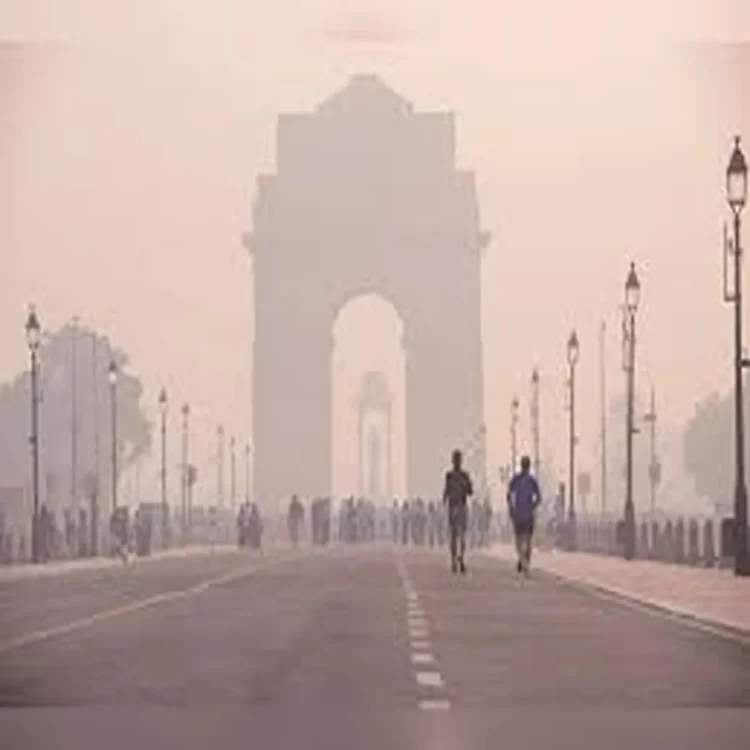
Focus on Coordinated Pollution Control Measures
During the review meeting, the Lieutenant Governor underlined the importance of strengthening cooperation among various government departments and agencies involved in tackling air pollution. He stressed that effective coordination is essential to protect public health and support long-term environmental sustainability in the national capital region.
Officials assessed the progress of existing pollution-control programs and explored ways to improve implementation through better planning, monitoring, and accountability.
Major Sources of Air Pollution Identified
According to officials present at the meeting, road dust, vehicle emissions, biomass burning, and industrial activities continue to be among the primary contributors to poor air quality across Delhi-NCR. While biomass burning and industrial pollution often originate from surrounding NCR districts and neighboring states, road dust remains a major challenge within Delhi itself.
The Lieutenant Governor noted that air pollution cannot be addressed by a single authority or region. He emphasized that since pollution affects the wider NCR, solutions must also involve coordinated efforts across multiple jurisdictions.
Road Dust Emerges as Key Concern
A significant part of the discussion centered on the impact of road dust on air quality. Officials highlighted that dust particles contribute heavily to both PM10 and PM2.5 pollution levels, which are known to affect respiratory health and overall environmental conditions.
Sandhu stressed that reducing road dust should become a central component of Delhi’s clean-air strategy. He called for practical and time-bound measures to make city roads substantially cleaner and minimize the release of dust into the atmosphere.
Infrastructure Improvements and Cleaner Roads
The meeting also examined several measures designed to reduce dust pollution. Among the suggestions discussed were expanding the deployment of Mechanical Road Sweeping Machines, carrying out timely road repairs, ensuring complete coverage of road-cleaning operations, and improving the disposal process for silt removed from drains.
Officials also reviewed plans to increase mechanized sweeping activities, strengthen dust-control infrastructure, and promote plantation drives along major road corridors. These measures are expected to help reduce airborne dust while improving the urban environment.
Technology-Based Monitoring to Improve Accountability
Representatives from multiple agencies, including CAQM, MCD, PWD, DDA, NDMC, I&FCD, and other departments, participated in the meeting. The Lieutenant Governor emphasized the need to use modern technology for monitoring pollution-control efforts.
He advocated greater adoption of real-time tracking systems, data-driven assessments, and digital monitoring tools to evaluate progress more effectively. According to officials, technology-based oversight can improve transparency, strengthen accountability, and ensure that pollution-control measures deliver tangible results.
With air quality remaining a major public concern across Delhi-NCR, authorities are aiming to accelerate implementation of key initiatives and strengthen coordination among agencies in the months ahead. The focus remains on achieving noticeable environmental improvements and reducing pollution levels before seasonal conditions typically worsen during winter.