
Diplomacy – Trump Reviews Iran Proposal as Nuclear Talks Continue
Diplomacy – US President Donald Trump concluded a lengthy meeting in the White House Situation Room focused on a proposed understanding with Iran, but no official decision was announced afterward. The discussion, which reportedly lasted around two hours, centered on efforts to extend the existing ceasefire, restore safe navigation through the Strait of Hormuz, and advance talks regarding Tehran’s nuclear activities. Although Trump had earlier indicated that a final decision could be made, the administration did not confirm any outcome following the meeting.
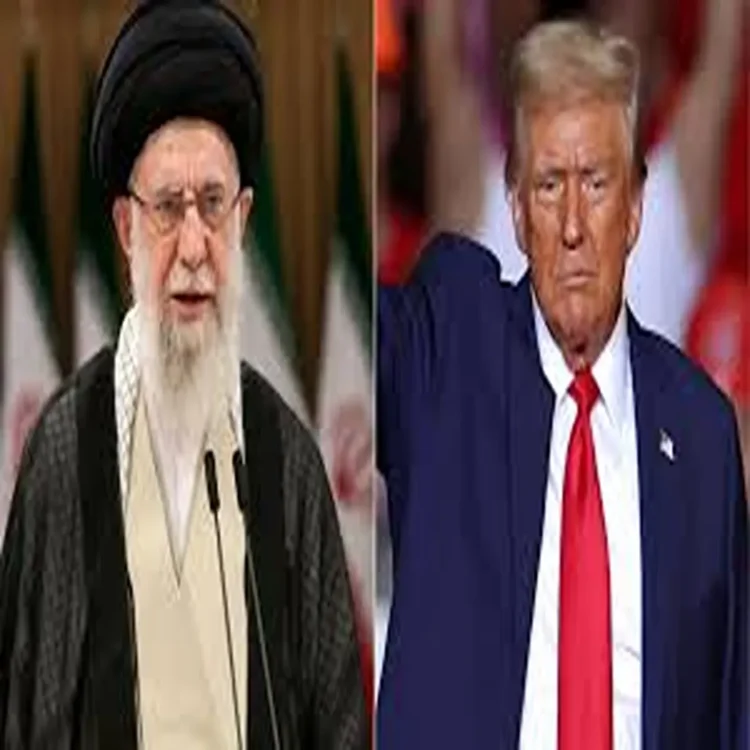
White House Maintains Position on Nuclear Issue
Following the discussions, officials provided limited details about what was decided behind closed doors. According to reports, the administration reiterated its long-standing position that Iran must never acquire a nuclear weapon. While expectations had been high that the meeting could produce a breakthrough, no formal announcement was issued, leaving the status of the proposal uncertain.
Reports suggest the draft agreement under consideration would extend the current ceasefire by 60 days. During that period, Washington and Tehran would continue negotiations aimed at reaching a broader framework addressing several unresolved issues, including the future management of Iran’s enriched uranium reserves.
Conditions Presented by Washington
Before entering the meeting, Trump outlined several conditions that he believes Iran must accept. These reportedly include reopening the Strait of Hormuz to unrestricted commercial shipping, removing any maritime hazards from the waterway, committing permanently to non-development of nuclear weapons, and permitting action against highly enriched uranium stockpiles.
The Strait of Hormuz remains one of the world’s most strategically important maritime routes. A significant share of global oil exports travels through the narrow passage, making stability in the region critical for international energy markets.
Tehran Signals More Work Needed
Iranian officials indicated that negotiations remain active but incomplete. Representatives from Tehran stated that contacts with US officials are continuing, though no final memorandum has yet been approved.
Reports also suggest that several American demands remain points of disagreement for Iranian negotiators. In addition, internal political divisions within Iran, particularly opposition from hard-line groups, continue to complicate efforts to finalize a deal.
Economic Issues Remain Central
Alongside security concerns, economic matters are playing a major role in the negotiations. Iranian representatives are reportedly seeking access to frozen financial assets and broader relief from economic restrictions that have affected the country’s economy for years.
Meanwhile, US officials continue to focus on measures intended to address concerns related to Iran’s nuclear program and regional security activities. Although negotiators appear closer to an agreement than in previous rounds of discussions, several important issues remain unresolved, including the handling of frozen Iranian funds.
Tensions Continue Around Strategic Waterway
Even as diplomatic efforts proceed, security concerns remain visible in the region. Iranian naval forces reportedly fired warning shots near the Strait of Hormuz at several vessels that authorities claimed were attempting to pass through the area without authorization.
The incident underscored the importance of maintaining stability in the waterway. International organizations have warned that any prolonged disruption to shipping through the strait could have serious consequences for energy supplies and the global economy.
Markets React to Diplomatic Progress
Financial markets showed signs of optimism as negotiations continued. Investors responded positively to indications that diplomatic channels remained open, with oil prices easing and US stock markets recording gains.
Officials from major international economic institutions have cautioned that instability in the Strait of Hormuz could affect fuel availability, trade flows, and overall economic confidence. As a result, developments in the talks are being closely monitored by governments, businesses, and investors worldwide.
In a separate development, US Treasury Secretary Scott Bessent stated that American authorities had seized approximately $1 billion worth of Iranian cryptocurrency assets as part of ongoing pressure measures targeting Tehran.
The latest negotiations come after months of heightened tensions involving the United States, Israel, and Iran. The conflict has raised concerns about broader instability across the Middle East while also contributing to uncertainty in global energy markets. Despite unresolved differences, both sides appear to be keeping diplomatic channels open in hopes of reaching a wider agreement