
Technology – Delhi Water Supply Pressure Grows Amid Delayed Wazirabad Cleanup Project
Technology – Delhi’s water supply network is facing renewed strain this summer as the long-pending desilting project at the Wazirabad barrage remains incomplete more than a year after it was first announced. Officials familiar with the matter said raw water availability has fallen sharply in recent days, raising concerns about continued shortages across several parts of the capital.
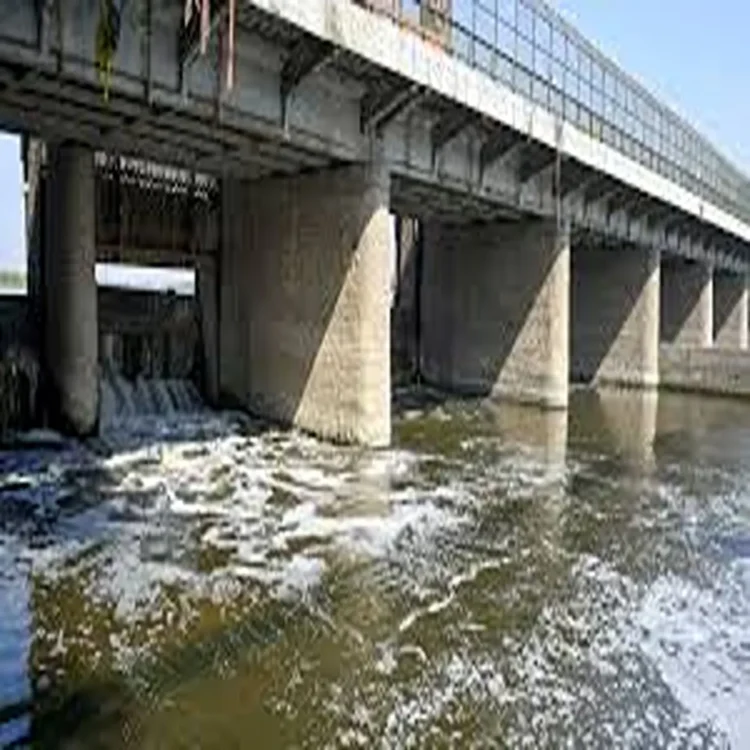
The Wazirabad barrage plays a critical role in Delhi’s drinking water system because it is the first point where water from the Yamuna River is collected and redirected for treatment. A decline in water levels at this location has directly affected the functioning of major treatment plants operated by the Delhi Jal Board (DJB).
Falling Water Levels Raise Operational Concerns
According to sources, the Yamuna water level near the barrage has dropped to nearly 669 feet, significantly below the usual 674-foot mark recorded during this period. The reduced level has lowered the amount of raw water entering treatment facilities, affecting the city’s daily production capacity.
Officials said the Chandrawal and Wazirabad treatment plants, which together contribute a substantial share of Delhi’s drinking water supply, are currently operating below their normal output levels. Wazirabad typically produces around 131 million gallons per day (MGD), while Chandrawal generates nearly 94 MGD. However, a reduction of nearly 30 percent in operating efficiency at both facilities has impacted overall supply across the city.
Desilting Tender Yet To Move Forward
The desilting plan was originally announced in April 2025 by Delhi Water Minister Parvesh Sahib Singh. The proposal aimed to remove accumulated silt from the pondage area at the barrage, which acts as a storage basin before water reaches purification plants.
This pondage section is considered important because it helps regulate water flow, allows sediment to settle naturally, and ensures uninterrupted intake for treatment units. Over time, heavy silt accumulation has reduced its storage capacity, making the system less efficient during peak demand periods.
To address the issue, the Delhi Jal Board floated a tender worth nearly Rs 25 crore for the removal of approximately 3.63 lakh cubic metres of silt. Authorities had projected that the exercise could improve storage capacity by nearly 100 MGD and strengthen supply management during summer months.
Despite those plans, the tender process was later cancelled, and the project has not yet been awarded to any contractor. Officials have not publicly announced a revised timeline for the work.
Several Residential Areas May Face Disruptions
With temperatures rising and water demand increasing across Delhi, the delay is now beginning to affect residents in multiple neighbourhoods. Areas likely to experience irregular supply or lower water pressure include South Extension, Greater Kailash, Jahangirpuri, Moolchand, Majnu Ka Tila, Kashmere Gate ISBT, ITO and Defence Colony.
Water experts say desilting projects are essential for maintaining the efficiency of ageing urban water infrastructure, especially in cities heavily dependent on river-based supply systems. In Delhi’s case, the challenge becomes more serious during summer when demand peaks and river levels naturally decline.
Pressure Mounts on Civic Agencies
The latest shortage has once again drawn attention to the broader issue of water management in the national capital. Civic agencies are now under pressure to ensure faster execution of pending infrastructure works and improve preparedness before peak summer demand intensifies further.
Residents in affected zones have been advised to use water carefully over the next few days as authorities monitor supply conditions. Meanwhile, officials continue to assess the situation at the Wazirabad barrage and nearby treatment facilities to prevent a deeper disruption in the coming weeks.