
EnergyCrisis – US-Iran Maritime Tensions Rise Near Strategic Gulf Route
EnergyCrisis – The latest confrontation between the United States and Iran has heightened concerns over stability in the Gulf region after fresh military action near the Strait of Hormuz, one of the world’s most critical energy transit corridors. Iranian authorities warned of a forceful response following American strikes targeting missile launch positions and naval vessels in southern Iran.
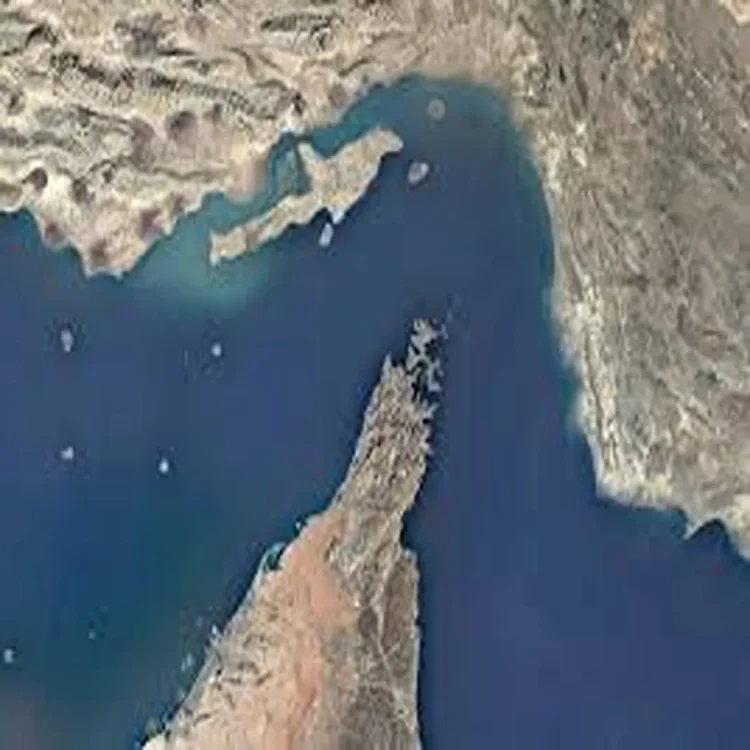
According to a statement issued through the official media outlet linked to Iran’s Islamic Revolutionary Guard Corps, the IRGC Navy said it had overseen the secure movement of 25 commercial vessels through the Strait of Hormuz during the past day. The ships reportedly included oil tankers, cargo carriers and other merchant vessels operating in the region under Iranian security coordination.
Iran Signals Stronger Security Presence
Iranian military officials stated that naval forces remain on high alert across the strategic waterway, which connects the Persian Gulf to international shipping lanes. The IRGC described its monitoring operations as “intelligent control” and said any hostile action against Iranian interests would trigger a severe military response.
The statement comes at a time when tensions in the Gulf remain extremely fragile following months of conflict and disruptions to maritime trade. Shipping companies and global energy markets continue to closely monitor developments in the area because the Strait of Hormuz handles a major portion of the world’s oil exports.
US Military Confirms Defensive Strikes
The United States military confirmed that American forces carried out strikes against Iranian military assets in southern Iran earlier this week. Officials from US Central Command said the operation targeted missile launch infrastructure as well as boats allegedly involved in deploying naval mines.
CENTCOM spokesperson Tim Hawkins said the attacks were conducted as defensive measures aimed at protecting American personnel stationed in the region. He added that US forces were continuing operations with restraint despite the ongoing ceasefire environment.
American officials have repeatedly accused Iran of threatening maritime security and disrupting commercial shipping routes near the Strait of Hormuz. Washington maintains that its military presence is necessary to ensure safe navigation and regional stability.
Ceasefire Faces New Pressure
The latest exchange has placed additional pressure on a ceasefire that began on April 8. Diplomatic negotiations between Tehran and Washington have struggled to make meaningful progress, while regional instability has already affected energy supply chains and shipping costs worldwide.
Analysts say the renewed military activity could further complicate efforts to reduce tensions between the two countries. Concerns have also grown among international traders who fear additional disruptions to crude oil transportation if hostilities continue to intensify around the Gulf.
Despite the fragile truce, both sides have maintained significant military operations in and around the Strait of Hormuz. Iran continues to exercise tight oversight over vessel movement, while the US Navy has expanded patrols and enforcement activities near Iranian waters.
Shipping Restrictions Continue in Gulf Waters
Last week, US Central Command claimed that naval enforcement measures had forced dozens of vessels to alter their routes and had disrupted several Iranian maritime operations. American authorities have also continued restrictions affecting ships connected to Iranian ports.
Iran tightened its maritime controls earlier this year after joint military operations involving the United States and Israel targeted Iranian territory. Since then, Tehran has imposed stricter passage rules for vessels linked to either country.
The Strait of Hormuz remains one of the world’s most sensitive trade passages, carrying a substantial share of global oil and gas shipments every day. Any military escalation in the area is closely watched by governments, shipping companies and financial markets due to its direct impact on international energy prices and commercial trade flows.