
AviationSafety – Indian Army Helicopter Crash Near Leh Raises Fleet Concerns
AviationSafety – Three Indian Army personnel, including a senior commander, were injured after a light helicopter crashed near Leh in Ladakh during a routine operational flight on Wednesday. Officials confirmed that all occupants survived the incident and are currently receiving medical care.
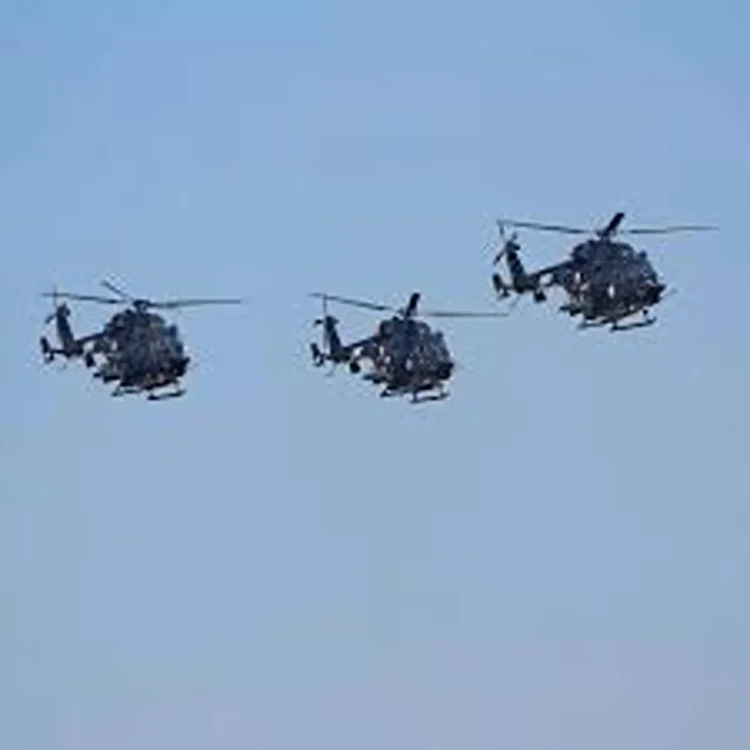
Senior Army Officer Among Those Injured
According to defence sources, the helicopter involved in the accident was carrying Major General Sachin Mehta, who serves as a division commander in the Ladakh sector, along with two pilots. The aircraft reportedly went down during an afternoon sortie in the high-altitude region.
Officials said the officers escaped with injuries and their condition remains stable. The pilots sustained minor wounds and were shifted to a nearby medical facility for treatment shortly after the crash.
Inquiry Ordered Into Helicopter Accident
The Indian Army has initiated a Court of Inquiry to determine the exact circumstances that led to the crash. Investigators are expected to examine technical factors, weather conditions, and operational aspects linked to the incident.
The helicopter involved was identified as a Cheetal, an upgraded version of the long-serving Cheetah helicopter. The aircraft is fitted with a TM333B engine designed to improve performance in difficult mountainous terrain and extreme weather conditions commonly found in Ladakh and similar border areas.
Decades-Old Helicopter Fleet Back in Focus
The latest accident has once again highlighted ongoing concerns surrounding the ageing Cheetah and Cheetal helicopter fleet used by the Indian armed forces. These helicopters have been a key part of military aviation operations for decades, especially in remote and high-altitude regions such as Siachen, Ladakh, and Arunachal Pradesh.
Originally derived from the French-built Alouette III platform, the helicopters are widely used for reconnaissance missions, transporting troops, emergency evacuations, and supplying forward military posts where larger aircraft often cannot operate effectively.
Despite repeated upgrades, questions over the safety and reliability of the fleet have continued to surface over the years due to the age of many airframes and the demanding operational environment in which they function.
Previous Safety Concerns Raised by Military Families
Concerns about the helicopter fleet are not new. In 2015, the Army Wives Agitation Group had urged the government to accelerate replacement plans for the ageing aircraft. At the time, the group stated that nearly 200 Cheetah and Chetak helicopters had crashed over three decades, leading to the deaths of hundreds of pilots.
The issue again gained national attention in 2022 following another fatal helicopter crash in Arunachal Pradesh. In a communication addressed to Prime Minister Narendra Modi, the group claimed that several military pilots had lost their lives in accidents involving these helicopters in recent years and appealed for faster modernisation of the fleet.
Replacement Programme Still Facing Delays
The armed forces have been working for years to replace the ageing helicopters with newer indigenous platforms. Hindustan Aeronautics Limited’s Light Utility Helicopter programme has been selected as the long-term replacement for the Cheetah-Cheetal fleet.
The Indian Army and the Indian Air Force are expected to induct 187 Light Utility Helicopters under the ongoing procurement plan. However, certification procedures and production-related delays have slowed the pace of deployment.
Military requirements for light helicopters remain significant, with estimates suggesting the armed forces may eventually require around 400 such aircraft for operations across mountainous and border regions.
Helicopters Continue Critical Border Operations
Until new helicopters are inducted in larger numbers, existing aircraft will continue to play a crucial role in maintaining military operations in some of the world’s toughest terrains. High-altitude sectors like Ladakh, Siachen Glacier, and parts of the Northeast depend heavily on light helicopters for transportation, logistics, surveillance, and emergency response missions.
The latest crash near Leh has once again underlined the operational challenges faced by military aviation units working in extreme conditions while relying on aircraft that were originally expected to retire years ago.