
EducationPolicy – Supreme Court to Review CBSE Three-Language Rule for Class 9
EducationPolicy – The Supreme Court has agreed to examine a petition challenging the Central Board of Secondary Education’s latest decision to make the study of three languages compulsory for Class 9 students from July 1. The matter was mentioned before the court on Friday, with petitioners seeking urgent intervention over concerns about the impact of the revised academic requirement on schools and students across the country.
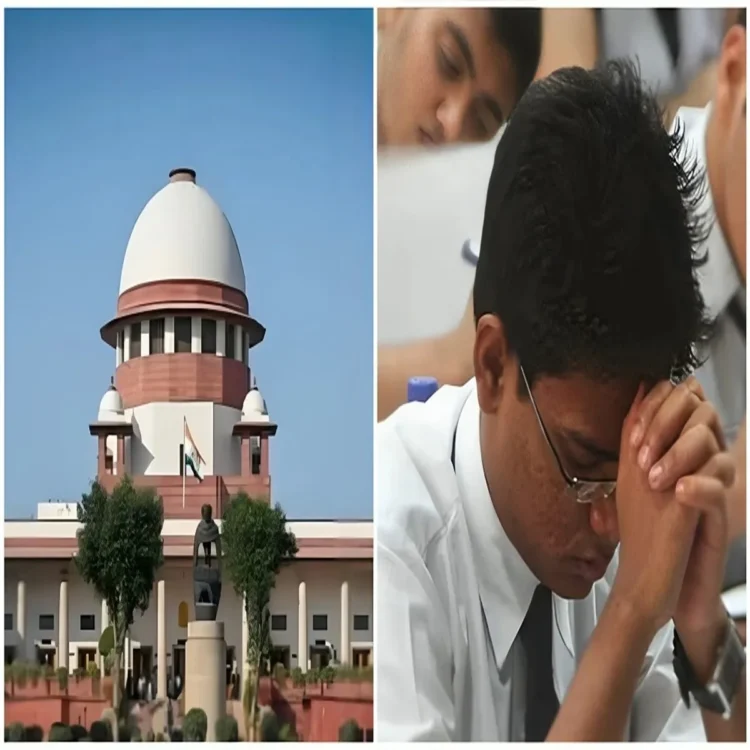
Petitioners Raise Concerns Over New Language Requirement
Senior advocate Mukul Rohatgi brought the issue before a bench headed by Chief Justice Surya Kant, along with Justices Joymalya Bagchi and Vipul M Pancholi. During the proceedings, Rohatgi informed the court that the plea had been filed as a public interest litigation by students, parents, and teachers who believe the policy could create confusion and difficulties at the school level.
According to the petitioners, the revised rule would require Class 9 students to study three languages, including at least two Indian languages, under the updated CBSE framework. They argued that the sudden implementation of the policy may place additional pressure on students and educational institutions already preparing for the new academic session.
Rohatgi urged the court to take up the matter immediately, stating that delaying consideration could lead to disorder in schools once the policy comes into force. He told the bench that the issue directly affects thousands of students and therefore required urgent judicial attention.
Supreme Court Schedules Hearing for Next Week
While acknowledging the request for an early hearing, the Supreme Court declined to list the matter on Monday. The Chief Justice informed the counsel that the court was currently dealing with a miscellaneous week schedule and that the case would instead be heard sometime next week.
The court’s decision to hear the plea has drawn attention from educational institutions and parents, many of whom are closely following developments related to changes in school curriculum policies. The upcoming hearing is expected to address questions surrounding the implementation process and whether the revised language structure aligns with existing educational norms.
CBSE Circular Introduced Revised Language Framework
The controversy stems from a recent circular issued by the Central Board of Secondary Education. Under the new guidelines, students entering Class 9 from July 1 will be required to study three languages during the academic year. The circular also specifies that at least two of these must be native Indian languages.
Education experts say the policy appears to be connected with broader efforts aimed at promoting multilingual learning in schools. However, critics have expressed concern over the readiness of schools to adopt the revised structure within a limited timeline.
Some parents and teachers believe the move could create additional academic pressure, especially for students already balancing core subjects and board examination preparation. Others have questioned whether all schools possess adequate teaching staff and resources to effectively implement the new language requirements.
Debate Continues Around Multilingual Education
The issue has also sparked discussion among education professionals regarding the role of multilingual education in Indian schools. Supporters of the policy argue that learning multiple languages can improve cultural understanding and strengthen communication skills among students from diverse backgrounds.
At the same time, opponents of the immediate rollout maintain that any major curriculum change should be introduced gradually after detailed consultation with schools, educators, and families. They say abrupt implementation may create practical challenges in regions where qualified language teachers are already in short supply.
The Supreme Court’s upcoming hearing is likely to examine both the legal and educational aspects of the dispute. The outcome may influence how schools across the country move forward with language education policies in the coming academic session.