
Disaster – Severe Storms Leave Dead and Widespread Damage Across Afghanistan
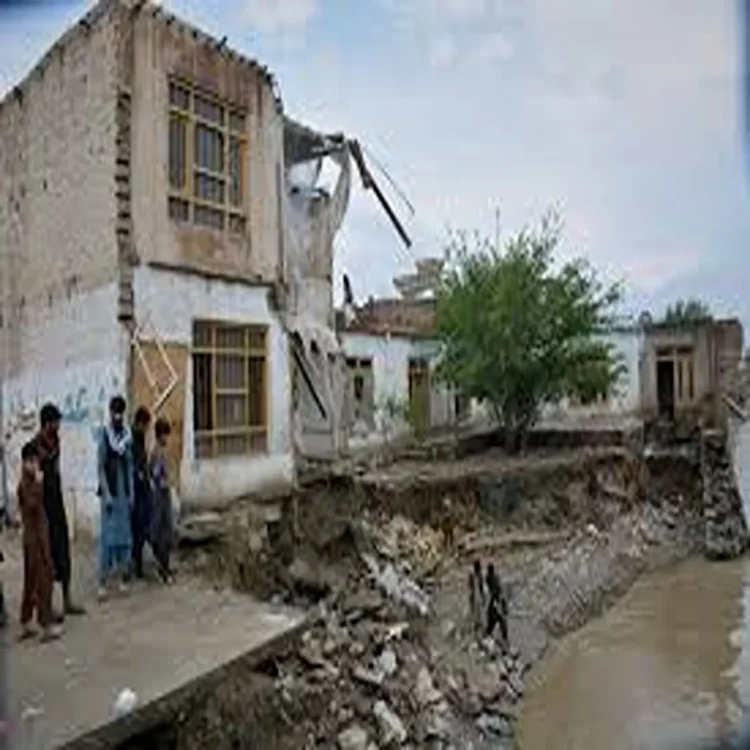
Disaster – Strong overnight storms and intense winds swept through several Afghan provinces, leaving at least six people dead and 11 others injured, according to local authorities. The severe weather affected Kandahar, Herat, Ghor and Takhar provinces, where homes, farmland and public infrastructure suffered heavy destruction.
Casualties Reported Across Multiple Provinces
Afghanistan’s National Disaster Management Authority said the fatalities were caused by thunderstorms, flooding, lightning strikes and powerful winds that hit several regions late Thursday night. Officials confirmed that at least 20 houses were completely destroyed, while another 10 sustained partial damage during the disaster.
Mohammad Yousuf Hamad, spokesperson for the authority, stated that emergency teams are continuing to assess losses in the affected districts. Roads were blocked in some areas after debris and floodwater damaged transportation routes, making rescue and relief work more difficult.
Infrastructure and Farmland Suffer Heavy Losses
Authorities said the storms caused major disruption to essential infrastructure. Wells, agricultural land, trees and hundreds of solar energy panels were damaged or destroyed by the strong winds. Many rural communities that depend on farming and small-scale solar systems for electricity have been left struggling to recover.
Residents described scenes of widespread destruction after the storm passed through their communities. In Helmand province, locals said electricity poles collapsed during the strong winds, resulting in long power outages.
One resident, Mir Hamza, appealed for immediate assistance from authorities and said the storm had destroyed nearly everything in the affected area, including the electricity network. Other residents also reported extended blackouts after power lines were brought down by the weather conditions.
Natural Disasters Continue to Impact Afghanistan
Afghanistan has faced repeated climate-related emergencies in recent months, with floods, storms and landslides affecting thousands of families across the country. Data released by the National Disaster Management Authority showed that since March 26, around 250 people have lost their lives due to various natural disasters.
The same report stated that 344 people were injured during that period, while nearly 17,000 families were affected by flooding, storms and other severe weather incidents. Many vulnerable communities continue to struggle with damaged homes, limited resources and disrupted access to clean water and electricity.
Humanitarian Agencies Expand Relief Operations
Earlier this month, the International Organisation for Migration reported that nearly 2,000 families were impacted by recent flooding in Nangarhar province. Relief agencies have been working to distribute emergency supplies as humanitarian workers continue to assess urgent needs in the flood-hit districts.
According to humanitarian officials, many residents in Nangarhar lost homes, farmland and household belongings after heavy flooding swept through the province. Aid organisations warned that the destruction has worsened existing humanitarian difficulties for already vulnerable families.
The migration agency confirmed that additional assistance is being planned for at least 250 more families in Nangarhar. Emergency recovery operations are also continuing in other flood-affected areas as authorities and aid groups attempt to restore basic services.
Wider Relief Efforts Underway in Eastern Regions
Humanitarian agencies said similar support programmes are currently active in Laghman and Kunar provinces, where recent floods have also damaged infrastructure and residential areas. Relief teams are delivering essential supplies while monitoring conditions in remote communities vulnerable to further weather-related disasters.
Afghanistan remains highly exposed to extreme weather events, particularly during seasonal changes that often bring heavy rain and destructive storms. Aid organisations continue to call for stronger disaster preparedness measures and improved support systems for communities facing repeated climate emergencies.