
WaterConservation – Delhi Schools Plan Large-Scale Rainwater Storage Revival
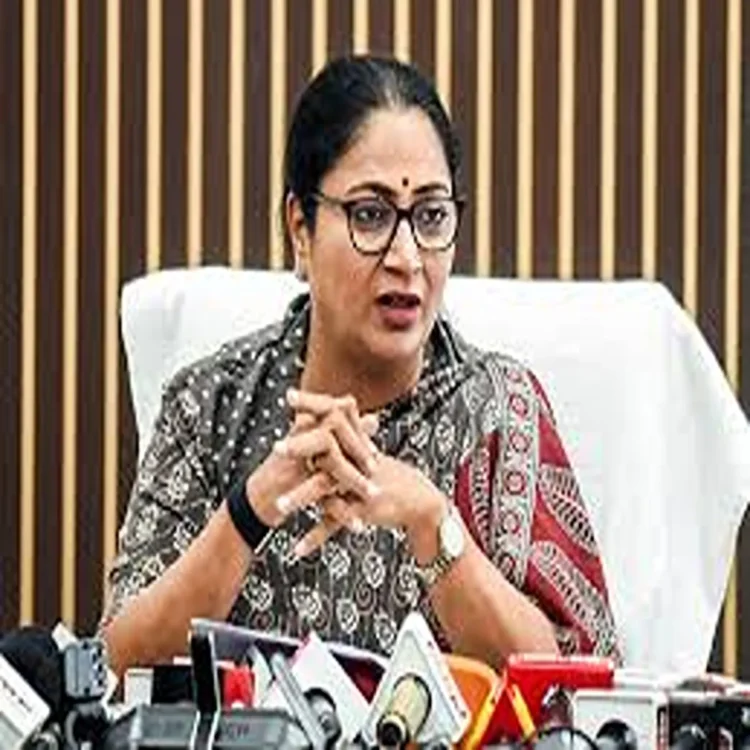
WaterConservation – The Delhi government has launched a large-scale initiative to restore and activate rainwater harvesting systems in 75 CM Shri Schools across the city. Chief Minister Rekha Gupta announced that the project is expected to help conserve nearly 50 crore litres of rainwater every year, marking a significant step toward improving water management in the national capital.
Focus on Groundwater Conservation
According to the government, the project has been designed to strengthen groundwater recharge and encourage responsible water usage among students and surrounding communities. Officials believe schools can play an important role in spreading awareness about environmental protection and sustainable water practices.
A detailed inspection of rainwater harvesting facilities in all 75 schools has already been completed. The review highlighted several operational gaps and maintenance issues that had prevented the systems from functioning effectively for years.
Existing Systems Found in Poor Condition
During the audit, authorities found that many schools already had rainwater harvesting structures installed, but most of them had fallen into disrepair due to neglect and lack of regular upkeep. In several locations, harvesting pits were blocked with silt, plastic waste and construction debris.
Officials also observed that rainwater from rooftops was flowing directly into drainage systems instead of being collected and reused. This resulted in significant water loss, especially during the monsoon season when large quantities of rainwater could otherwise be stored or directed underground.
‘Ehsaas’ Model to Be Implemented
To improve the efficiency of the systems, the Delhi government will introduce the ‘Ehsaas’ model, which received approval from the Delhi Jal Board in 2021. The model is considered cost-effective because it requires less space and minimal maintenance compared to traditional harvesting systems.
Under this framework, rainwater collected from school rooftops will pass through filtration systems before being directed into storage tanks and borewells. The process is expected to improve groundwater recharge and help revive dry borewells in several areas.
Officials said the model has been selected because it can be implemented quickly in densely populated urban locations where space constraints often create difficulties for large infrastructure projects.
Corrective Measures Planned Across Schools
The government has prepared a restoration and maintenance strategy to ensure the systems operate efficiently in the long term. The plan includes cleaning and desilting harvesting pits, replacing damaged filter materials and repairing drainage connections linked to the structures.
In addition, effective rooftop collection systems will be installed wherever required to maximise rainwater capture during the rainy season. Authorities said these measures are expected to significantly reduce wastage of freshwater resources.
The Chief Minister stated that rooftops of the selected schools alone have the capacity to conserve around 13 crore litres of water annually. When combined with the total catchment potential of all 75 campuses, the overall harvesting capacity is projected to reach nearly 50 crore litres every year.
Dedicated Budget for Maintenance
To prevent the systems from becoming non-functional again, the Delhi government has also decided to allocate a separate maintenance budget for all participating schools. Officials believe regular upkeep will be essential for ensuring the long-term success of the project.
Environmental experts have often stressed that urban rainwater harvesting can reduce pressure on groundwater reserves, especially in cities facing rising water demand and declining water tables. Delhi has experienced recurring concerns over groundwater depletion in several regions, making conservation measures increasingly important.
The administration said the initiative is part of a broader effort to strengthen sustainable infrastructure in educational institutions while also encouraging environmental responsibility among young students.