
Economy – Maharashtra Highlights Competitive Federalism and Long-Term Growth Vision
Economy – Maharashtra Chief Minister Devendra Fadnavis has highlighted the growing spirit of competitive federalism in India, saying that the number of states actively competing for development and investment opportunities has expanded significantly over the past decade. Speaking at the annual business summit organised by the Confederation of Indian Industry in New Delhi on Monday, the chief minister said the changing landscape reflects India’s evolving economic strength and administrative confidence.
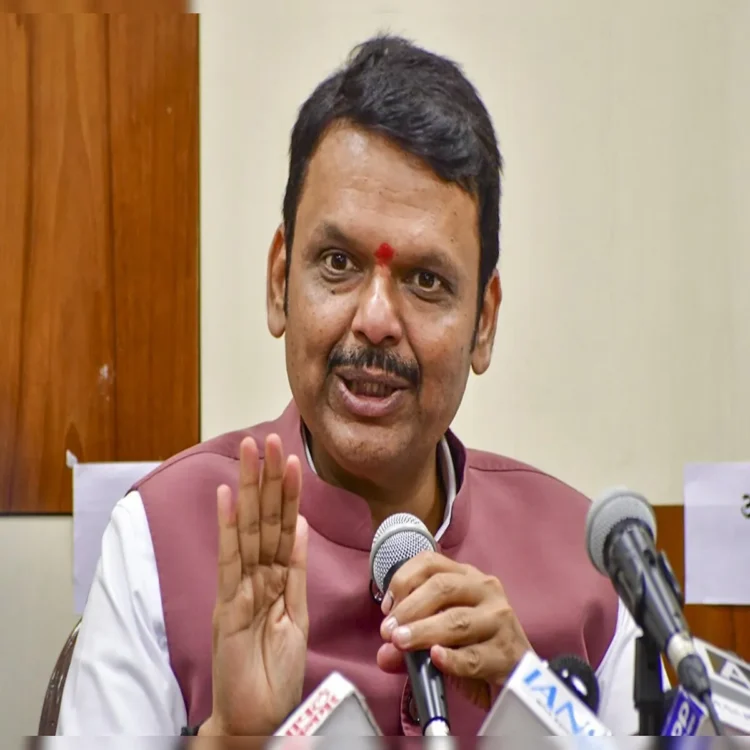
According to Fadnavis, earlier only a handful of states were seen as strong contenders in attracting industries and infrastructure projects. However, he noted that today more than a dozen states are actively participating in this competitive environment, creating a healthier economic ecosystem across the country.
Maharashtra Focuses on Stability and Trust
During his address, the Maharashtra chief minister underlined that the state has built its reputation on reliability and policy consistency. He said investors and industries continue to place confidence in Maharashtra because the administration delivers on commitments made to businesses and development partners.
Fadnavis stated that trust remains one of Maharashtra’s strongest advantages in comparison with other states. He explained that the government’s approach is based on predictable governance and clear execution, factors that are considered essential by domestic and international investors.
He also pointed out that while different political parties have governed Maharashtra over the years, the state has largely maintained continuity in its economic policies. According to him, this consistency has helped create long-term confidence among industries operating in sectors such as manufacturing, technology, infrastructure, and services.
Policy Continuity Seen as Economic Strength
The chief minister said Maharashtra has avoided sudden policy reversals that can create uncertainty for businesses. He described the state as having an entrepreneurial culture that encourages innovation, investment, and industrial expansion.
Fadnavis remarked that despite changes in leadership over time, successive governments in Maharashtra have generally preserved core development policies rather than completely overturning previous decisions. He added that this administrative stability has contributed to Maharashtra’s position as one of India’s leading economic centres.
Industry leaders attending the summit were told that Maharashtra intends to continue building a business-friendly environment while expanding infrastructure and investment opportunities in both urban and emerging regions.
Ambitious Economic Goals for 2030 and Beyond
The Maharashtra chief minister also presented the state government’s long-term economic vision during the summit. He said Maharashtra aims to become a one trillion dollar economy by the year 2030, positioning itself among the world’s major regional economies in the decades ahead.
Fadnavis described the coming years as a defining phase for India’s economic future, particularly at a time when global markets are facing geopolitical uncertainty, technological disruption, and changing trade patterns. He said Maharashtra wants to play a leading role in shaping India’s next phase of growth through large-scale transformation rather than gradual progress.
The chief minister emphasised that the state’s development plans will focus on infrastructure expansion, industrial growth, technology-driven innovation, and improved ease of doing business. He also indicated that Maharashtra is preparing itself to compete globally by strengthening investment opportunities and accelerating economic reforms.
Business Summit Highlights Competitive Development
The annual business summit brought together policymakers, industrial leaders, and business representatives from across the country to discuss economic priorities, investment opportunities, and growth strategies for India’s future.
Fadnavis used the platform to stress that competitive federalism is helping states improve governance standards and economic performance. He said healthy competition among states ultimately benefits the country by encouraging better policies, faster infrastructure development, and stronger investor confidence.
The Maharashtra government’s remarks at the summit come at a time when several Indian states are intensifying efforts to attract global investment and strengthen regional economies as India continues its push toward becoming one of the world’s leading economic powers.