
Inflation Outlook – India’s Retail Price Pressure May Rise Amid Food Cost Surge
Inflation Outlook- India’s retail inflation is likely to remain close to 4 per cent in April 2026 as rising food prices and firm global commodity markets continue to put pressure on household expenses. A recent assessment by Bank of Baroda indicated that inflation risks are gradually intensifying, especially in food-related categories.
Food Prices Show Stronger Momentum
According to the bank’s latest Essential Commodities Index, prices increased steadily for the third straight month in April. The index recorded a 1.1 per cent rise compared to the same period last year, while month-on-month growth reached 0.3 per cent, marking the fastest pace since August 2025.
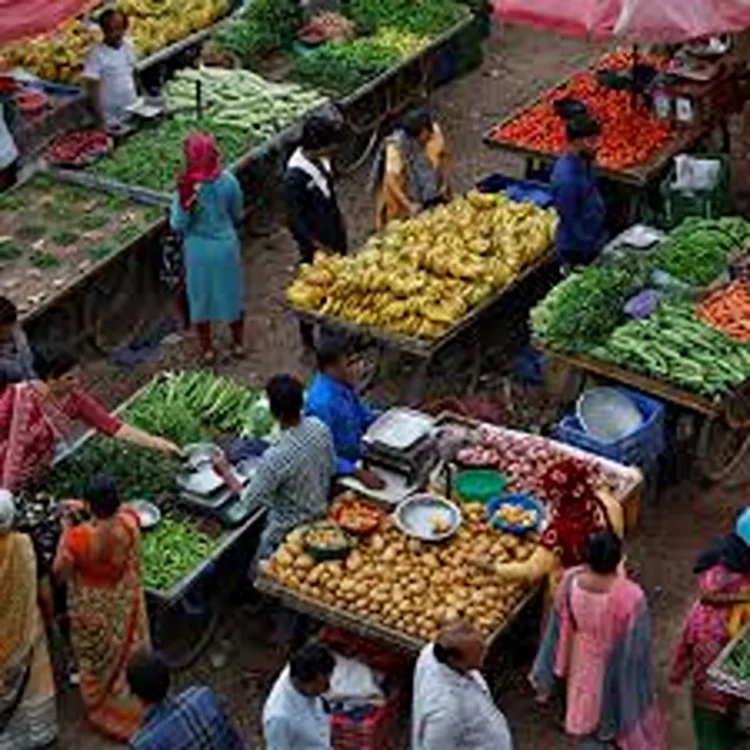
The report highlighted that essential kitchen staples such as tomatoes, onions, and edible oils are witnessing sharper price increases. Analysts observed that inflationary pressure has become more widespread this month rather than being limited to a few isolated categories.
Weather Conditions Raise Supply Concerns
The outlook for food inflation is also being affected by domestic supply disruptions. Data on arrivals of tomato, onion, and potato crops showed a decline of nearly 13 per cent in April compared to the previous year. This reduction in supply has raised concerns about potential shortages in the coming months.
Adding to these worries, the India Meteorological Department has issued heatwave alerts for several major agricultural regions, including Gujarat, Maharashtra, and parts of the eastern coastline during May 2026. Economists believe prolonged heat conditions could affect crop production and transportation, pushing prices even higher.
Global Commodity Markets Add Further Pressure
The report also pointed to growing international risks. Global prices of energy products, metals, cereals, and edible oils have remained elevated due to continued geopolitical tensions and uncertainty in overseas markets. Economists noted that the absence of a lasting peace agreement in ongoing global conflicts has kept commodity prices firm.
As a result, imported inflation risks for India have increased. Higher international costs are gradually being passed on to consumers through imported edible oils and other products dependent on global supply chains.
Edible Oils and Vegetables Lead Inflation Rise
Within the Bank of Baroda index, inflation accelerated in 16 out of 20 tracked commodities during April. The steepest increases were recorded in tomatoes, onions, pulses, and cooking oils such as sunflower, mustard, and soybean oil.
Despite this trend, some categories continued to offer relief. Potato and onion prices still reflected double-digit deflation compared with last year, while most pulse varieties remained under control. Masoor dal was the main exception, showing signs of price firmness.
Core Inflation Expected to Stay Moderate
The report estimated that core inflation, which excludes food and fuel items, could remain around 3.5 per cent in April 2026. However, when volatile segments such as tobacco, precious metals, and related products are excluded, the rate may ease further to around 1.8–1.9 per cent.
Analysts also indicated that inflation in services could face upward pressure from rising transport expenses and higher operating costs in the hospitality sector. Increased aviation turbine fuel prices and commercial LPG cylinder rates are expected to contribute to these costs.
Overall, economists believe inflation remains manageable for now, but continued pressure from food supplies and global commodity markets will require close monitoring in the months ahead.