
Diplomacy – King Charles III Visits Washington Amid Security and Political Strains
Diplomacy – The arrival of King Charles III in Washington comes at a delicate moment for international ties, blending ceremonial tradition with political tension.
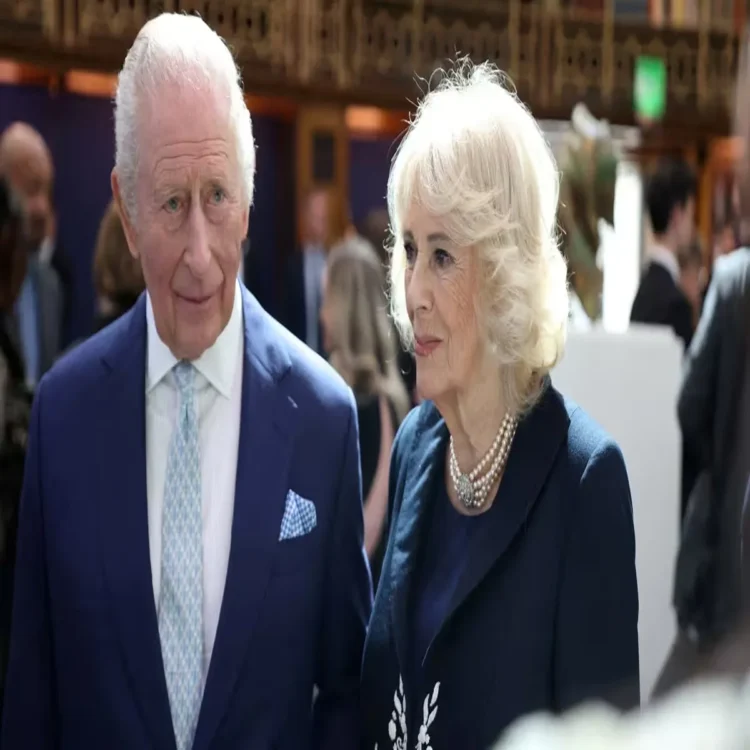
King Charles III is set to begin a four-day visit to the United States, marking a significant diplomatic moment as the country prepares to celebrate its 250th anniversary. The visit unfolds under heightened security and political sensitivities, following a recent shooting incident at a Washington event attended by President Donald Trump. Authorities conducted a swift security reassessment, but officials confirmed the royal itinerary would continue without changes.
Security Concerns Shape Visit Preparations
The shooting over the weekend prompted immediate concern among both American and British officials. Although no injuries were reported, the incident led to additional precautions ahead of the king’s arrival. Buckingham Palace expressed relief that all attendees were safe and confirmed that, after reviewing the situation, there was no need to alter the planned schedule.
Security agencies on both sides are expected to maintain a strong presence throughout the visit, particularly during public engagements and high-profile gatherings in Washington.
Political Differences Add Complexity
The visit also takes place against a backdrop of political disagreements between Washington and London. Recent tensions have emerged over international policy decisions, particularly regarding military action in Iran. President Trump has openly criticized British Prime Minister Keir Starmer for declining to support U.S. operations, underscoring a broader divide among Western allies.
Despite these differences, the White House has emphasized that the royal visit remains separate from political disputes. The president has spoken positively about King Charles III, describing him as a respected figure and highlighting their cordial relationship.
Royal Diplomacy and Strategic Messaging
For the British monarchy, the trip represents more than ceremony. Analysts suggest it is an opportunity to reinforce long-standing ties and demonstrate the continued relevance of the monarchy in global diplomacy. The visit showcases what is often described as the United Kingdom’s “soft power,” using tradition and symbolism to strengthen international relationships.
In contrast, some observers believe the American administration views the visit as a moment of public display, focusing on its visual and ceremonial appeal. The differing expectations reflect the complex nature of modern diplomacy, where symbolism and policy often intersect.
Criticism and Calls for Caution
Not everyone in the United Kingdom supports the timing of the visit. Some political figures have expressed concern that unpredictable remarks or actions during the trip could create awkward situations. Critics argue that the monarch should not be placed in a position where political controversy could overshadow the purpose of the visit.
However, Prime Minister Starmer has defended the decision, pointing out that the monarchy has historically played a stabilizing role in international relations. He noted that royal engagements can help maintain continuity even during periods of political disagreement.
Shadow of Past Controversies
Adding another layer of sensitivity is the lingering controversy surrounding the king’s younger brother, Prince Andrew, and his past association with Jeffrey Epstein. While unrelated to the visit’s official agenda, the issue continues to attract attention and has prompted calls from advocacy groups for greater accountability.
There is no indication that the matter will be formally addressed during the trip, but it remains part of the broader context surrounding the royal family’s public image.
Key Events and Symbolic Engagements
During the visit, King Charles III and Queen Camilla are scheduled to attend several major events, including a state dinner at the White House and a meeting with President Trump. The itinerary also includes cultural and commemorative engagements, such as a visit to the September 11 memorial in New York and participation in a public celebration in Virginia.
A central highlight will be the king’s address to the U.S. Congress. This rare event underscores the importance of the visit and offers an opportunity for the monarch to reflect on shared values and future cooperation.
A Moment of Continuity in Changing Times
As the United States approaches a historic milestone, the visit serves as a reminder of the enduring relationship between the two nations. While political differences remain, the presence of the British monarch highlights a tradition of dialogue and mutual respect that has evolved over centuries.
The success of the visit will likely depend on its ability to balance ceremony with substance, reinforcing connections while navigating the complexities of modern geopolitics.