
Diplomacy – Hezbollah Warns Against Lebanon Israel Talks Amid Rising Tensions
Diplomacy – Beirut: A fresh political divide has emerged in Lebanon after Hezbollah’s leadership openly opposed the government’s move toward direct dialogue with Israel. Speaking on Monday, Hezbollah chief Naim Qassem described the proposed talks as a dangerous step that could deepen instability in the country.
Political Rift Over Proposed Negotiations
Qassem issued a strong warning to Lebanese authorities, urging them to reconsider their approach. He argued that engaging directly with Israel would not serve Lebanon’s national interest and could instead create further internal and regional complications. His remarks reflect growing tensions within Lebanon’s political landscape, where opinions remain sharply divided on how to handle relations with Israel.
The criticism follows recent diplomatic activity in Washington, where representatives from Lebanon and Israel held rare meetings under US mediation. These discussions, the first of their kind in decades, were seen as a significant shift in regional diplomacy.
Truce and Diplomatic Efforts
The initial round of talks contributed to a temporary ceasefire in the ongoing conflict between Israel and Hezbollah. Lebanese officials have indicated that their objective is to secure a lasting halt to hostilities, ensure Israeli withdrawal from southern Lebanon, and facilitate the return of displaced civilians. The conflict has forced more than one million people from their homes, creating a severe humanitarian situation.
Despite these stated goals, Hezbollah has dismissed the negotiations entirely. Qassem made it clear that the group does not recognize the talks or any outcomes that may arise from them.
Hezbollah’s Position on Resistance
Reaffirming Hezbollah’s stance, Qassem emphasized that the group would continue what it describes as defensive resistance. He insisted that Hezbollah would not disarm or alter its military posture, regardless of external pressure.
He also warned that Israel would not be allowed to maintain control over any territory claimed by Lebanon. The statement underscores Hezbollah’s long-standing position that armed resistance remains essential to protecting the country’s sovereignty.
Ongoing Violence Despite Ceasefire
Although a truce came into effect on April 17, violence has not fully subsided. According to official figures, Israeli strikes carried out after the ceasefire have resulted in dozens of casualties. At the same time, Hezbollah has reported multiple attacks on Israeli forces in southern Lebanon, as well as drone and missile operations targeting northern Israel.
The situation remains fragile, with both sides accusing each other of violating the terms of the ceasefire.
Dispute Over Ceasefire Terms
A key point of contention lies in the details of the truce agreement released by the United States. The document allows Israel to continue targeting Hezbollah if it believes there are imminent threats. Hezbollah has rejected this provision, arguing that it undermines the purpose of the ceasefire.
The group also claims that the agreement was not fully presented to Lebanon’s cabinet, raising questions about transparency and decision-making within the government.
Broader Impact of the Conflict
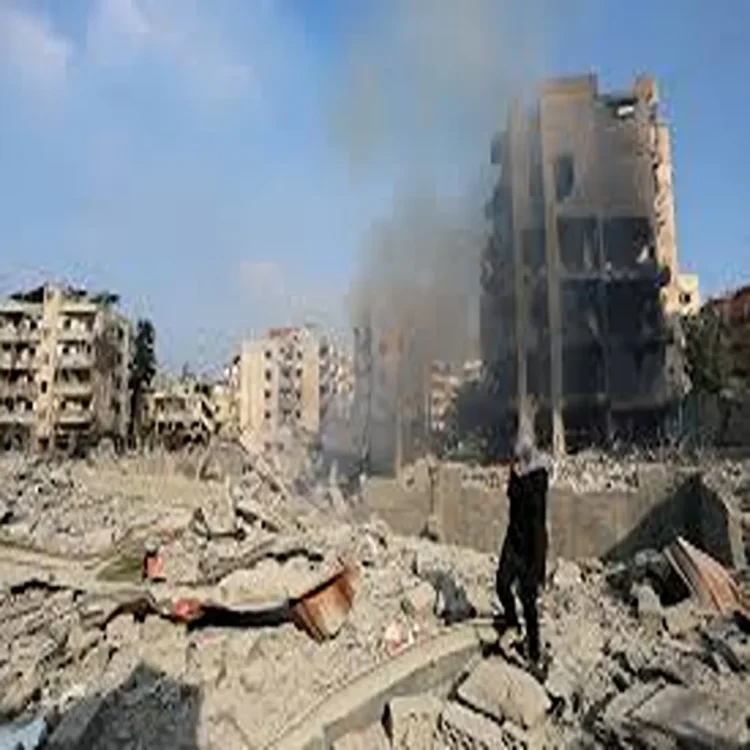
The conflict intensified earlier this year after Hezbollah launched attacks on Israel, linking its actions to regional developments involving Iran. Since then, the violence has resulted in significant loss of life. Lebanese authorities report that more than 2,500 people have been killed in Israeli strikes since early March.
The ongoing tensions continue to place Lebanon in a difficult position, balancing internal divisions with external pressures. As diplomatic efforts proceed, the gap between government strategy and Hezbollah’s position remains a major obstacle to any lasting resolution.