
Governance – Lok Sabha Rejects Constitutional Bill on Women’s Reservation Framework
Governance – The Congress on Monday renewed its call for immediate implementation of women’s reservation in Parliament based on the current strength of the Lok Sabha, while sharply criticizing the Union government over the recently defeated constitutional amendment proposal.
Congress Questions Government’s Intent
Senior Congress leader Jairam Ramesh said the proposed amendment was not genuinely aimed at empowering women but was instead designed to serve political interests. He argued that the Bill attempted to link women’s reservation with a fresh delimitation process, which he described as unnecessary and potentially misleading.
According to him, the rejection of the Bill in the Lok Sabha marked a significant moment for democratic institutions. He characterized the outcome as a pushback against hurried policymaking and what he termed as aggressive political tactics.
Delay in Implementation Raises Concerns
The Congress also questioned why the women’s reservation law, passed unanimously in September 2023 under the Nari Shakti Vandan Adhiniyam, had not yet been put into practice. Ramesh pointed out that despite repeated demands, including those made by party president Mallikarjun Kharge ahead of the 2024 general elections, the government did not act promptly.
He alleged that the notification of the law came much later than expected, raising doubts about the government’s commitment to ensuring representation for women in legislative bodies.
Debate Over Delimitation and Assurances
A key point of contention for the opposition has been the proposed linkage between reservation and delimitation based on census data. Ramesh questioned why assurances reportedly made by Union Home Minister Amit Shah regarding states that could be affected were not formally included in the Bill.
He expressed skepticism about verbal commitments, emphasizing that such assurances should be clearly documented in legislation to build trust among political stakeholders.
Call for Wider Consultation
The Congress has urged the government to convene an all-party meeting after the completion of the ongoing election phases in West Bengal. The party wants the government to present its proposals in writing and engage in a broader discussion before moving forward with any legislative changes.
Ramesh reiterated that the reservation for women should be implemented without delay using the existing Lok Sabha structure. He also suggested that if necessary, the government should introduce an amendment either during the Monsoon session or earlier.
Inclusion of OBC Women Highlighted
Another important demand raised by the Congress is the inclusion of women from Other Backward Classes within the reservation framework. The party emphasized that equitable representation must consider social diversity to ensure meaningful participation in governance.
Ramesh also stated that women voters are aware of past contributions, noting that earlier efforts to introduce reservations in local bodies were initiated during Congress-led governments.
Bill Defeat Marks Political Setback
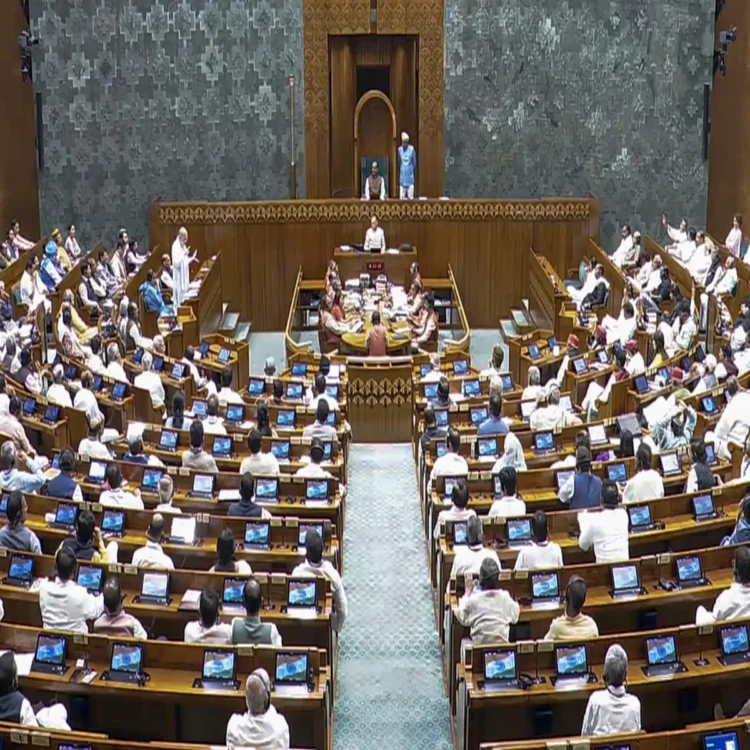
The constitutional amendment Bill suffered a major defeat in the Lok Sabha, with 230 members voting against it. Out of 528 votes cast, the proposal fell short of the required two-thirds majority, which stood at 352 votes.
The Bill had proposed increasing the number of Lok Sabha seats from 543 to 816 as part of a broader plan to implement 33 percent reservation for women before the 2029 general elections. Similar expansions were also suggested for state assemblies and Union territories.
The government had linked these changes to a delimitation exercise based on the 2011 Census, a move that became a central issue of debate among political parties.
Ongoing Political Debate
The developments have intensified discussions around electoral reforms, representation, and the timing of policy implementation. While the government maintains its commitment to women’s empowerment, opposition parties continue to question the approach and execution.
As the issue remains unresolved, further political negotiations and legislative efforts are expected in the coming months.