
Ceasefire – Israel Signals Continued Military Presence in Southern Lebanon Zone
Ceasefire – Israel’s Prime Minister Benjamin Netanyahu has indicated that Israeli troops will remain deployed in a designated security zone in southern Lebanon, even after a newly announced ceasefire with Hezbollah comes into force. The decision underscores ongoing concerns over cross-border security despite efforts to temporarily halt hostilities.
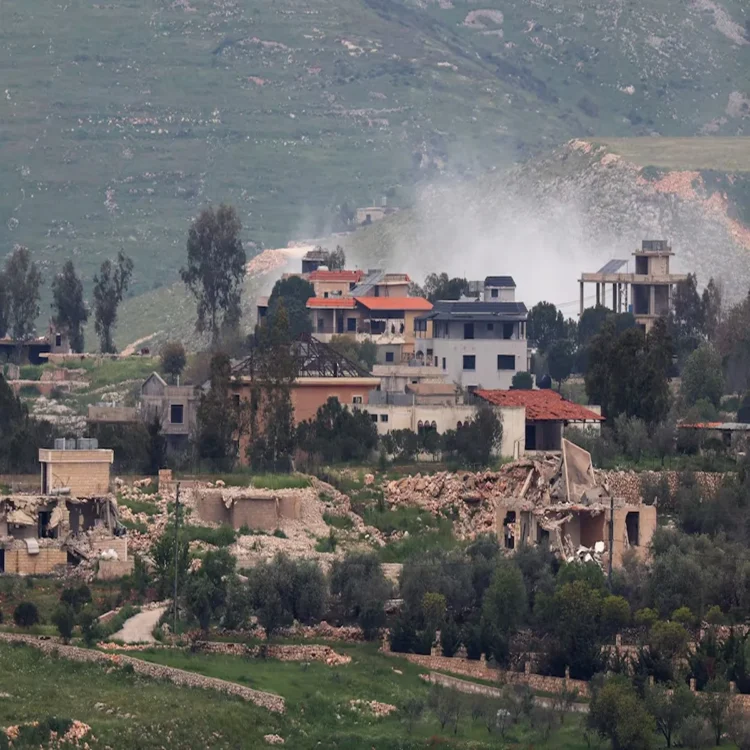
Ceasefire Announcement and Immediate Implications
The statement from Netanyahu followed an announcement by US President Donald Trump, who confirmed that Israel and Lebanon had agreed to a ceasefire scheduled to begin at 5 p.m. Eastern Time. The arrangement, reached after discussions with both Israeli and Lebanese leadership, is intended to bring a short-term pause to escalating tensions along the northern border.
According to officials, the ceasefire is expected to last for 10 days, offering a window for diplomatic engagement while reducing the risk of further military escalation in the region.
Israel’s Position on Security Arrangements
Despite agreeing to the ceasefire, Netanyahu made it clear that Israel would not withdraw its forces entirely from southern Lebanon. He rejected Hezbollah’s demand for a return to the internationally recognized border, stating that Israeli troops would continue to operate within a roughly 10-kilometre buffer zone.
Israeli authorities argue that maintaining this zone is essential for protecting northern communities from potential attacks, including cross-border incursions and anti-tank missile strikes. The move reflects Israel’s longstanding strategy of creating defensive depth in areas considered vulnerable to militant activity.
Prospects for Diplomatic Engagement
Netanyahu also suggested that the current situation could open the door to broader diplomatic progress. He described the moment as an opportunity to pursue a significant peace agreement with Lebanon, noting that the United States may play a facilitating role.
According to his remarks, there have been recent indications from Lebanon expressing interest in direct discussions. However, Israel has outlined two key conditions for any potential agreement: the disarmament of Hezbollah and the establishment of a lasting peace framework.
These conditions are likely to pose challenges, given Hezbollah’s entrenched position within Lebanon’s political and security landscape.
Regional Dynamics and Iran Factor
The Israeli prime minister also addressed concerns related to Iran, which is widely seen as a major supporter of Hezbollah. He stated that the United States remains committed to continuing measures aimed at limiting Iran’s influence, including maintaining a naval blockade and targeting its nuclear capabilities.
Netanyahu described these efforts as potentially transformative for the region’s long-term security and political balance, suggesting that broader geopolitical dynamics are closely tied to the current developments.
Background to Rising Tensions
The latest ceasefire comes after a period of heightened conflict, during which Israel intensified operations against Hezbollah positions in southern Lebanon. The escalation marked a significant expansion of tensions linked to the broader Iran-Israel rivalry.
While Lebanon is not formally at war with Israel, Hezbollah exercises considerable control in southern parts of the country and has been involved in repeated exchanges of fire with Israeli forces. These incidents have periodically pushed the region toward wider confrontation.
Uncertain Path Ahead
Although the ceasefire offers temporary relief, analysts note that underlying issues remain unresolved. The continued presence of Israeli forces in Lebanese territory and the question of Hezbollah’s role are likely to remain central points of contention.
The coming days will be critical in determining whether the ceasefire can lead to meaningful dialogue or if it will simply delay further conflict. Much will depend on the willingness of all parties to engage in sustained negotiations and address core security concerns.