
Politics – Government Considers Special Session to Expand Lok Sabha Seats
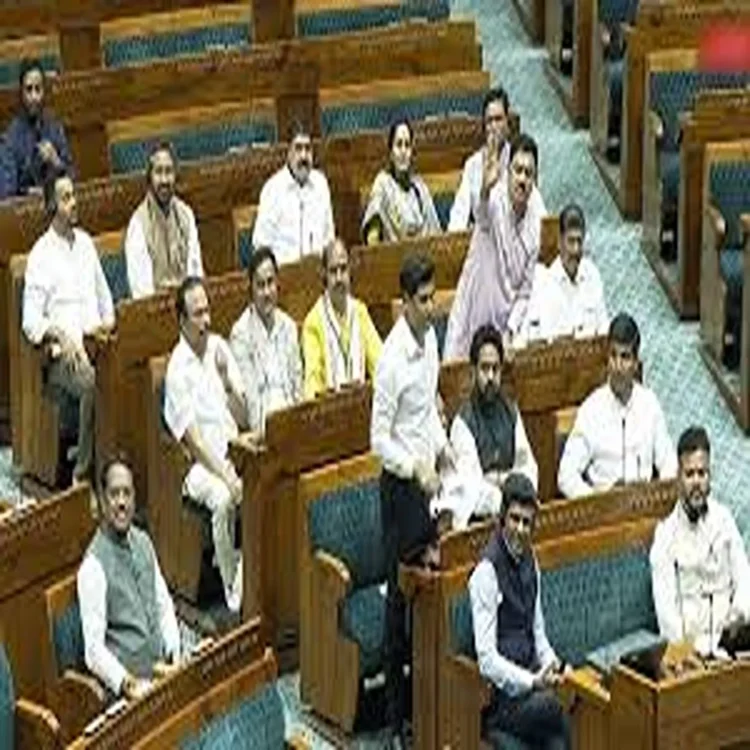
Politics – The Union government is weighing the option of calling a short special session of Parliament later this month, with a proposal that could significantly reshape representation in the Lok Sabha. According to sources, the session may take place between April 16 and April 18, during which the Centre is expected to introduce legislation aimed at increasing the total number of Lok Sabha seats to 816, with a substantial share reserved for women.
Plan Linked to Upcoming Assembly Elections
The move is being considered in the backdrop of imminent Assembly elections in Tamil Nadu and West Bengal. While the current Budget Session is scheduled to conclude shortly, indications suggest that Parliament may not be formally adjourned indefinitely. Instead, it could be paused with a provision to reconvene later in April for focused legislative business.
Officials familiar with the development have hinted that the session’s timing aligns with political activity in key states, though the legislative agenda remains the central priority.
Proposal to Expand Lok Sabha and Reserve Seats
At the heart of the proposed legislation is a plan to raise the strength of the Lok Sabha from 543 to 816 members. Out of these, 273 seats are expected to be set aside for women, in line with the broader objective of enhancing gender representation in lawmaking bodies.
The reservation would follow a structured allocation, ensuring representation across different categories, including Scheduled Castes and Scheduled Tribes. A similar proportional approach is also being considered for state legislative assemblies.
Delimitation Exercise to Be Advanced
To facilitate the implementation of the women’s reservation framework, the government is also exploring an early delimitation exercise. This process would redraw constituency boundaries based on the 2011 Census, rather than waiting for future population data.
The proposal marks a departure from earlier expectations that delimitation would be conducted after the next census cycle. By advancing this step, the government aims to accelerate the rollout of reservation provisions.
Legislative Changes Under Consideration
Two key pieces of legislation are expected to be introduced during the proposed session. The first is a constitutional amendment to modify the existing women’s reservation law, often referred to as the Nari Shakti Vandan framework. The second is a standard bill intended to revise provisions within the Delimitation Act.
If passed, these changes would lay the groundwork for implementing the revised seat structure and reservation system ahead of the 2029 general elections.
Political Consultations and Opposition Concerns
In recent days, the government has initiated discussions with several allies and select opposition leaders. However, consultations with major विपक्ष parties such as the Congress and the Trinamool Congress are yet to take place.
Opposition groups have called for a comprehensive all-party meeting to examine the implications of the proposal. Concerns have also been raised regarding the potential impact of increasing parliamentary seats on regional balance, particularly for smaller states in southern and northeastern regions.
Timeline for Implementation
According to preliminary outlines, the proposed legal changes would come into effect by March 31, 2029. This timeline would allow the revised seat allocation and reservation system to be applied in the next Lok Sabha elections, as well as in Assembly polls in states such as Odisha, Arunachal Pradesh, Sikkim, and Andhra Pradesh.
The initiative represents a significant structural shift in India’s parliamentary framework, combining electoral reform with efforts to enhance women’s participation in governance.