
ForeignPolicy – Opposition Targets Government Over West Asia Strategy
ForeignPolicy – A fresh political debate has emerged over India’s foreign policy after sharp remarks from opposition leaders, who questioned the government’s approach amid rising tensions in West Asia. The criticism reflects growing concern within opposition ranks about how international developments are influencing domestic economic and strategic decisions.
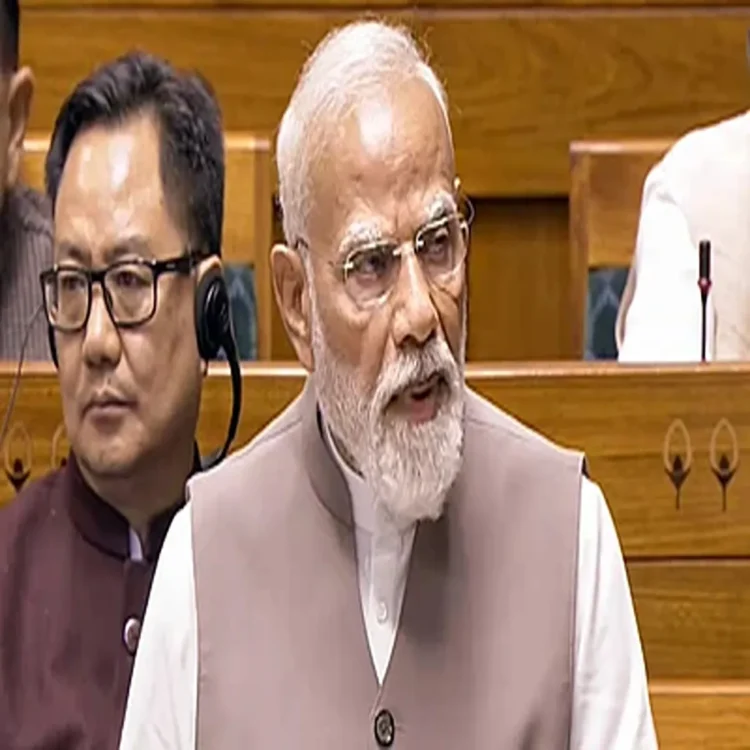
Opposition Leaders Raise Concerns Over Diplomatic Direction
Samajwadi Party chief Akhilesh Yadav on Tuesday took aim at the Centre’s foreign policy, suggesting that India’s decisions are no longer being driven purely by national interest. In a statement shared on social media, he alleged that the country’s diplomatic stance appears to be influenced by signals from the United States rather than independent judgment.
Yadav further intensified his criticism by questioning the leadership at the top, arguing that a weakened leadership cannot uphold the dignity of a nation. His remarks came shortly after similar concerns were voiced by Congress leader Rahul Gandhi, adding momentum to the opposition’s narrative.
Rahul Gandhi Questions Prime Minister’s Strategy
Earlier in the day, Rahul Gandhi spoke to reporters outside Parliament, where he described the current foreign policy as being highly personalised. He suggested that global observers do not take India’s diplomatic stance seriously and claimed that international leaders are well aware of the limits of India’s decision-making under the present leadership.
Gandhi also criticised a recent speech delivered by the Prime Minister in the Lok Sabha, calling it disconnected from pressing issues. He warned that ongoing global tensions, particularly in West Asia, could have significant economic consequences for Indian citizens.
Economic Impact and Public Concerns Highlighted
The Congress leader pointed out that essential sectors such as fuel, cooking gas, and fertilisers could face disruptions due to the evolving geopolitical situation. He cautioned that such challenges may place an additional burden on the public, especially if global instability continues.
Gandhi also referenced past crises, including the Covid-19 pandemic, suggesting that lessons from that period should inform current decision-making. He argued that a lack of preparedness or understanding could worsen the impact of external shocks on the Indian economy.
Government Defends Approach Amid Global Uncertainty
Responding to the criticism, the Prime Minister addressed the Rajya Sabha and defended the government’s handling of the situation. He emphasised that the conflict in West Asia has had far-reaching consequences for economies worldwide and acknowledged that recovery would take time.
However, he reassured that India’s economic fundamentals remain strong and that the government is actively working to minimise any adverse effects. According to him, authorities are closely monitoring developments and have adopted a structured strategy to manage short-term, medium-term, and long-term challenges.
Focus on Stability and Strategic Planning
The Prime Minister highlighted that continuous efforts are being made to shield the Indian economy from global disruptions. He stressed that policymakers are taking a cautious and calculated approach, ensuring that India remains resilient despite external pressures.
The government’s stance underlines its intent to balance international relations while safeguarding domestic interests. Officials maintain that proactive planning and economic strength will help India navigate uncertainties stemming from geopolitical conflicts.
Political Debate Likely to Continue
The exchange of statements between opposition leaders and the government indicates that foreign policy will remain a key point of political discussion in the coming days. With global tensions showing no immediate signs of easing, the debate is expected to focus not only on diplomacy but also on its direct impact on everyday life in India.
As both sides present contrasting views, the issue highlights the broader challenge of managing international relations in a rapidly changing global landscape while maintaining economic stability at home.