
Heatwave – Early March Temperature Surge Triggers Yellow Alert Across Several States
Heatwave – India’s weather authorities have cautioned that several regions of the country may experience unusually high temperatures for this time of year, prompting an early alert about heat wave–like conditions. The India Meteorological Department (IMD) has issued a yellow alert covering parts of northern and western India, warning that temperatures are likely to climb significantly above seasonal averages in the coming days.
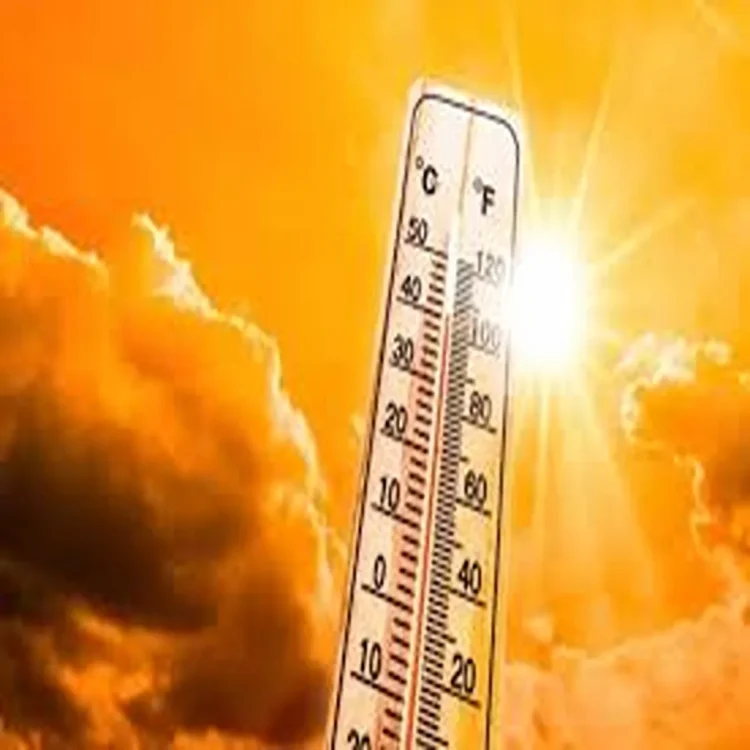
Officials say the alert serves as an early advisory, encouraging residents and local administrations to remain cautious as warmer weather spreads across multiple states.
Rising Temperatures Across Several Regions
According to the IMD, the warning applies to areas including Jammu and Kashmir, Himachal Pradesh, Maharashtra, Gujarat, and Rajasthan. Meteorologists noted that daytime temperatures in some of these regions are expected to rise well beyond typical levels for early March.
In Jammu and Kashmir and Himachal Pradesh, the mercury could climb about 5 to 8 degrees Celsius above normal. Other parts of northwest India may experience temperatures that are roughly 4 to 7 degrees Celsius higher than usual during the next three days.
Although these conditions do not necessarily represent a full-scale heatwave everywhere, weather officials say the sharp rise in temperatures could still affect daily life and public health, particularly in regions not yet accustomed to such heat this early in the season.
Health Advisory for Vulnerable Groups
The yellow alert category is designed to highlight potential risks for people who may be more sensitive to heat exposure. Infants, elderly individuals, and those with existing medical conditions are considered particularly vulnerable.
The IMD has advised residents in affected areas to take simple precautions to reduce heat stress. These include wearing light-colored cotton clothing, choosing loose-fitting garments, and covering the head when outdoors during peak sunshine hours.
Health experts also emphasize the importance of staying hydrated and avoiding prolonged exposure to direct sunlight, especially during the afternoon when temperatures typically reach their highest levels.
Railways Prepare for Heatwave Conditions
In response to the forecast, Indian Railways has begun implementing precautionary steps across multiple railway zones. Authorities have issued internal advisories to ensure that passengers traveling during this period have adequate access to drinking water and cooling facilities.
Railway officials have instructed stations to maintain sufficient drinking water availability on platforms and inside coaches. Measures such as shaded waiting areas and cooling arrangements, including reflective or cool roof systems, are also being emphasized in order to reduce heat buildup in station areas.
These preparations aim to improve passenger comfort and safety as temperatures continue to rise in several parts of the country.
Regional Forecasts and Timelines
Different railway zones and weather authorities have identified specific time frames during which heatwave-like conditions may develop.
Northern Railway officials indicated that parts of Himachal Pradesh are expected to experience elevated temperatures between March 8 and March 9. In western India, coastal Gujarat along with the Saurashtra and Kutch regions could see heatwave conditions from March 8 through March 10.
The Konkan region has also been placed under a short heat alert covering March 8 and March 9. Meanwhile, the Central and Southeast railway zones have warned that Vidarbha in Maharashtra may face prolonged hot conditions from March 8 to March 12.
Hot and Humid Weather Along Coastal Areas
Apart from inland heat, coastal regions may also experience uncomfortable humidity. Weather officials expect hot and humid conditions to develop in isolated areas along the Konkan coast as well as coastal Gujarat and Saurashtra.
These conditions could continue between March 8 and March 11. In southern India, parts of coastal Andhra Pradesh, neighboring districts of Rayalaseema, and northern Tamil Nadu are also expected to experience similar weather patterns around March 8.
Possible Temperature Relief Later
Meteorologists believe the current rise in temperatures may not last indefinitely. A fresh western disturbance is likely to influence weather patterns over the western Himalayan region in the coming days.
This system may bring scattered light rain or snowfall to parts of the Himalayas, which could gradually reduce daytime temperatures by about 2 to 3 degrees Celsius after the initial heat spell.
While the brief cooling may offer some relief, weather officials continue to monitor conditions closely as the transition toward the summer season begins earlier than usual in some regions.