
Smart PDS – Delhi Government Plans Digital Upgrade for Ration Card Services
Smart PDS – The Delhi government is preparing to introduce a technology-driven public distribution platform aimed at making ration card services and foodgrain distribution more transparent and convenient. The upcoming Smart Public Distribution System (Smart-PDS) is expected to simplify beneficiary services while improving monitoring across the state’s food supply network.
Online Platform to Simplify Ration Card Services
The Delhi government is expected to launch the Smart Public Distribution System (Smart-PDS) in the coming days as part of its effort to modernise the public distribution network. The initiative is designed to shift several ration-related services to an online platform, reducing the need for beneficiaries to make repeated visits to government offices. Officials believe the digital system will improve efficiency while making public services easier to access.
Once operational, ration card holders will be able to complete several essential tasks through the online portal. These include adding or deleting family members from a ration card, uploading required documents, and checking the progress of their applications. The move is expected to reduce paperwork and speed up the processing of requests.
Real-Time Tracking of Foodgrain Distribution
A key feature of the Smart-PDS will allow beneficiaries to monitor the movement of their allotted foodgrains. Through their mobile devices, users will be able to check when their ration allocation has been released, identify the Fair Price Shop where it has been delivered, and know the expected date of distribution.
Officials say this level of visibility is intended to strengthen public confidence in the distribution process. Digital tracking will also make it easier for authorities to monitor supply movement and maintain accurate records throughout the system.
Smart Cards with QR Code Verification
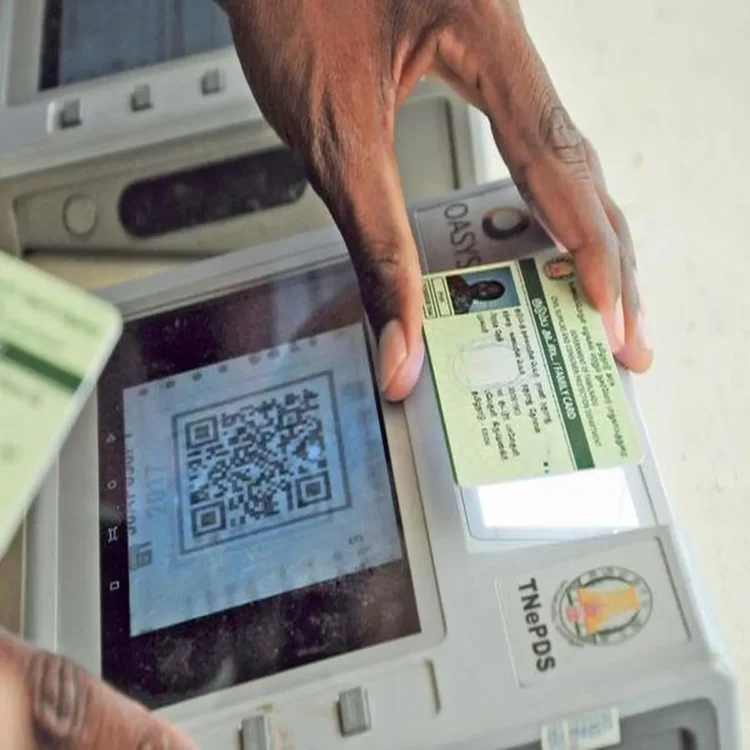
As part of the modernisation programme, existing ration cards will gradually be converted into smart cards equipped with QR codes and digital verification features. These upgraded cards are expected to improve the authentication process and help officials quickly verify the validity of beneficiaries.
According to government sources, the QR code system will support efforts to detect fake or duplicate ration cards while strengthening oversight across the distribution network. Digital verification is also expected to reduce manual errors and improve record management.
Facial Authentication to Support Beneficiaries
The new system will introduce facial recognition as an additional method of identity verification. This option is intended mainly for beneficiaries who face difficulties with fingerprint-based biometric authentication due to mismatched or unreadable records.
Under the proposed arrangement, eligible individuals can verify their identity either through fingerprints or facial authentication. Officials believe that providing multiple authentication options will reduce verification failures and ensure that subsidised foodgrains reach the intended recipients without unnecessary delays.
Focus on Transparency and Better Monitoring
The Delhi government expects the integration of QR codes, digital records and biometric verification to strengthen transparency within the public distribution system. The technology-driven approach is aimed at preventing duplicate registrations, identifying fraudulent ration cards and reducing the diversion or illegal sale of subsidised foodgrains.
In addition, every application, modification and transaction processed through the Smart-PDS will generate digital records, allowing authorities to monitor activities at Fair Price Shops more effectively. Officials believe these measures will improve accountability while ensuring that benefits under the public distribution system are delivered to genuine beneficiaries in a more efficient and transparent manner.