
Infrastructure – Jammu and Kashmir Road Expansion Boosts Border Connectivity and Growth
Infrastructure – Jammu and Kashmir is witnessing a substantial overhaul of its road infrastructure, with the region’s road network now extending beyond 41,000 kilometres. The expansion is being driven by large-scale connectivity projects designed to provide reliable, all-weather access across mountainous and border areas. Officials say the improved network is already cutting travel time, easing movement for residents, and opening new avenues for economic activity, particularly in districts located along sensitive border stretches.Infrastructure – Jammu and Kashmir Road Expansion Boosts Border Connectivity and Growth
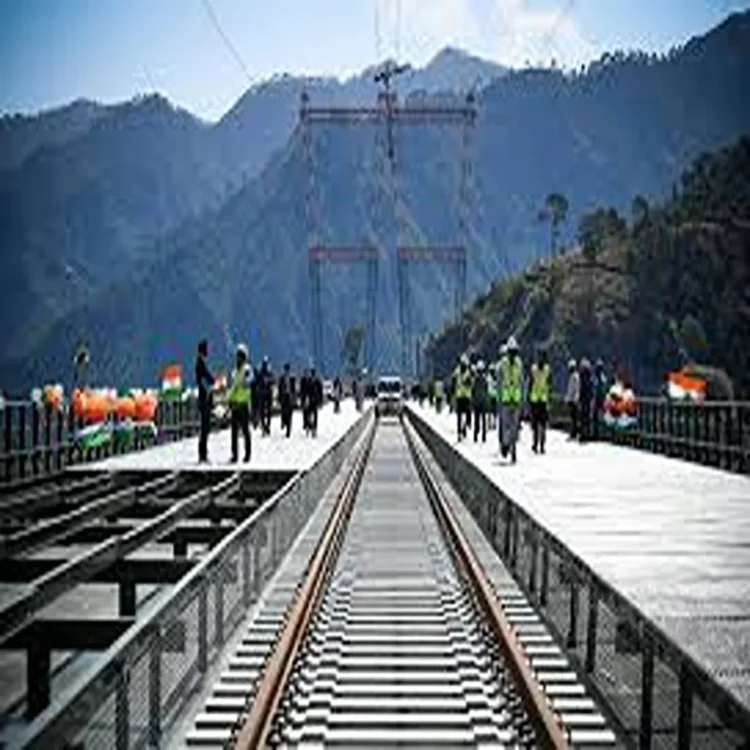
Focus on Border and Remote Areas
A major share of the infrastructure push is aimed at improving connectivity in forward and rural regions that have long remained isolated due to difficult terrain and harsh weather conditions. Roads in these areas are seen not only as a development necessity but also as a critical component of regional security and disaster response. Enhanced access allows quicker movement of essential services while improving daily life for communities that previously depended on limited and unreliable routes.
Strategic Role of the Bahri Pattan-Jhallas Road
Among the key projects underway is the Bahri Pattan-Jhallas road in the Nowshera-Poonch sector, being constructed by the Border Roads Organisation. The road is emerging as a vital alternative to the Jammu-Rajouri-Poonch National Highway and is expected to function as a lifeline for several remote villages. Spanning roughly 213 kilometres, the route is designed to strengthen internal connectivity while ensuring safer and faster travel for civilians, tourists, and security personnel operating near the Line of Control.
Administrative Perspective on Development
Local administration has highlighted the strategic and developmental importance of the project. Additional Deputy Commissioner Nowshera, Pritam Lal Thapa, noted that the road will significantly improve access between Jammu and Poonch while directly linking rural settlements that earlier lacked dependable transport options. According to officials, the project addresses long-standing connectivity gaps and supports broader development goals in border areas.
Tourism Potential Gains Momentum
Beyond transportation, authorities believe the new road will help unlock the tourism potential of the region. Several religious and cultural destinations lie along the route, including Baba Betamshah, Mangla Mata Temple, Veer Bhadreshwar Temple, and Pir Shahlakh Dargah. Improved access is expected to attract more visitors, encourage the development of basic hospitality facilities, and bring sustained economic benefits to local communities.
Employment and Local Economy Impact
Improved infrastructure is already creating employment opportunities for residents who previously had to travel long distances in search of daily wage work. Officials say construction activity itself has generated jobs, while better connectivity is paving the way for small businesses, shops, guest houses, and hotels. As tourism and trade grow, the overall economic activity in border and rural areas is expected to increase steadily.
Relief for Residents Facing Long-Standing Challenges
For local residents, the project represents relief from years of hardship caused by poor road conditions. Many recall the difficulties of transporting patients to hospitals or evacuating injured people during periods of cross-border shelling. With improved roads, emergency response times are expected to improve, providing a greater sense of safety and accessibility.
Public Appreciation and Forward Outlook
Residents have expressed appreciation for the central government and the Border Roads Organisation for undertaking the project despite logistical challenges such as forests, marketplaces, and residential clusters along the route. Villages including Jhangar, Sermakri, Bawani, and Kalsian, once considered remote, are now being linked more closely with urban centres. Officials say the expanding road network is laying the foundation for long-term development, improved security, and greater economic stability across the region.