
Delhi NCR: Weekend Rain and Winds Bring Temporary Air Quality Relief to
Delhi NCR: Delhi and the National Capital Region witnessed a noticeable improvement in air quality over the weekend, offering residents a brief but much-needed break from persistent pollution levels. A combination of rainfall, strong winds, and favorable weather conditions played a crucial role in dispersing accumulated pollutants and reducing the intensity of smog that had dominated the skyline for several weeks.
Weather Conditions Help Clear Pollutants
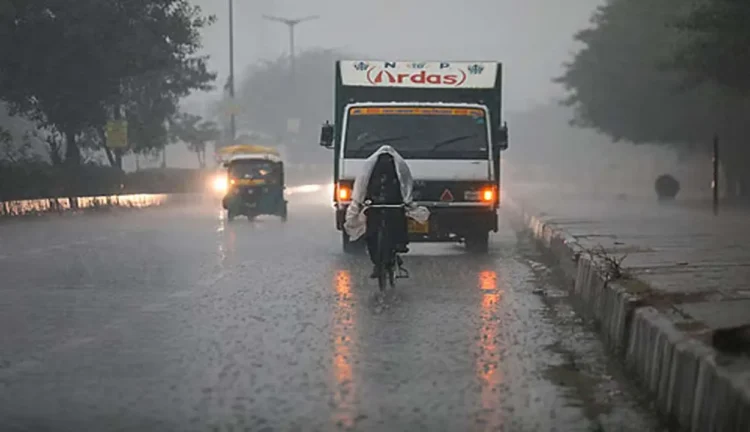
The improvement in air quality was primarily driven by a rare weather pattern for January. Delhi recorded its highest single-day rainfall in three years during this period, accompanied by strong north-westerly winds. These winds helped push away stagnant air, allowing pollutants to disperse more effectively across the plains. The rainfall also played a cleansing role by washing down particulate matter suspended in the atmosphere.
Such meteorological conditions are considered highly effective in reducing air pollution, especially during winter months when low wind speeds and temperature inversion usually trap pollutants close to the ground. The combined impact of rain and wind created a temporary reset for the region’s air.
AQI Levels Show Significant Improvement
According to official monitoring data, Delhi’s Air Quality Index showed marked improvement by Sunday morning. The AQI settled at 152, categorizing the air as moderate for the first time in several weeks. This reading was recorded early in the morning and reflected a significant drop from previous days when air quality frequently hovered between poor and very poor categories.
On Saturday afternoon, the city’s 24-hour average AQI was recorded at 192, also falling within the moderate range. Most monitoring stations across Delhi reported similar readings, indicating a citywide improvement rather than isolated pockets of cleaner air.
Area-Wise Air Quality Status
While the majority of the capital experienced moderate air quality, a few localized areas continued to record poor AQI levels. These pockets are typically influenced by traffic congestion, construction activities, and localized emissions. Notably, NSIT Dwarka emerged as the cleanest area, recording AQI levels below 100, which is considered relatively healthy compared to the rest of the city.
Environmental experts noted that such variations are common and depend on micro-level factors like vehicular density, open spaces, and wind flow patterns.
Cold Wave Returns to North India
Alongside improved air quality, cold wave conditions have returned to several parts of North India, including Delhi, Punjab, Haryana, Rajasthan, and Uttar Pradesh. Minimum temperatures in the national capital are expected to remain low, ranging between 4 and 6 degrees Celsius over the next few days.
Night temperatures are likely to stay suppressed until midweek, after which a gradual rise is expected. By Tuesday, minimum temperatures may increase slightly, settling between 8 and 10 degrees Celsius. Daytime temperatures are forecast to remain stable, with maximums ranging from 18 to 21 degrees Celsius.
Weather Alerts and Future Outlook
The weather department has also issued a yellow alert for another spell of rain and thunderstorms in Delhi. Residents have been advised to remain cautious, particularly during early morning and late evening hours when visibility may be affected.
Meteorologists caution that while the current improvement in air quality is encouraging, it may be short-lived. If dry conditions return and wind speeds drop, pollution levels could rise again due to vehicular emissions, industrial activities, and seasonal factors.
Need for Long-Term Pollution Control
Authorities have emphasized that temporary weather-driven relief should not lead to complacency. Continuous monitoring and long-term pollution control measures remain essential to maintaining cleaner air in the capital. Experts stress the importance of reducing emission sources, promoting cleaner transportation, and enforcing environmental regulations to achieve sustained improvement.
The weekend’s weather allowed Delhi to breathe easier, even if only briefly. For residents, it served as a reminder of how closely air quality is linked to both natural factors and human activity, and why consistent efforts are necessary to ensure healthier living conditions throughout the year.