
Headline: Legal Proceedings Continue as Rahul Gandhi Seeks More Time in Sultanpur Defamation Case
Headline: The ongoing defamation case involving senior Congress leader Rahul Gandhi once again came into focus after he failed to appear before the MP/MLA court in Sultanpur. The matter, which has been under judicial consideration for several years, relates to alleged remarks made during an election campaign. The court has now scheduled a fresh date, emphasizing the importance of Gandhi’s personal presence to move the case forward.
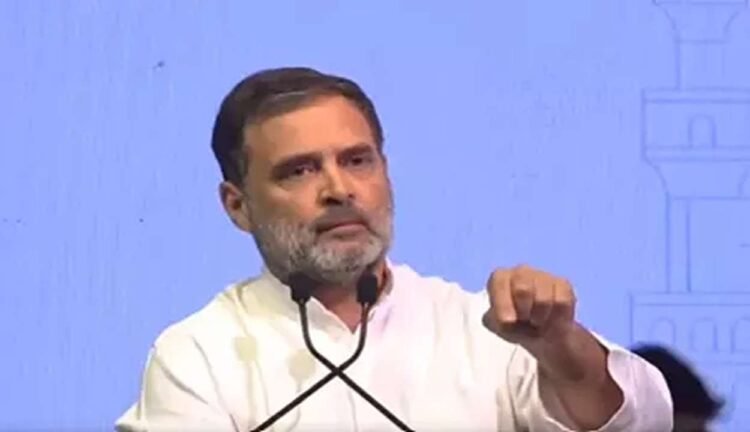
Background of the Court Hearing
On Monday, the MP/MLA court in Sultanpur was expected to record the statement of Rahul Gandhi, who currently serves as the Leader of Opposition in the Lok Sabha and represents Raebareli as a Member of Parliament. His appearance was considered a significant procedural step in the defamation proceedings that date back to 2018. However, Gandhi did not attend the hearing, prompting the court to take note and pass further directions.
Reason Cited for Absence
During the hearing, Gandhi’s legal representative, Kashi Prasad Shukla, informed the court that the Congress leader was unable to be physically present due to a prior political commitment in Kerala. According to the submission, the engagement was unavoidable and directly linked to party-related responsibilities. While the court acknowledged the explanation, it also expressed concern over repeated delays in recording the statement, which is a mandatory part of the trial process.
Court’s Response and Next Date
After considering the arguments presented by the defense, the MP/MLA court fixed February 20 as the next date of hearing. Judge Shubham Verma made it clear that this would be the final opportunity granted to Rahul Gandhi to appear in person. The court emphasized that the statement must be recorded on the next date and that no further exemptions would be entertained. This directive signals the judiciary’s intent to ensure that the case progresses without unnecessary postponements.
Details of the Defamation Case
The defamation complaint was originally filed in October 2018 by Vijay Mishra, a local BJP functionary and resident of the Kotwali Dehat area in Sultanpur district. Mishra alleged that during an election campaign in Karnataka in August 2018, Rahul Gandhi made objectionable remarks targeting Amit Shah, who was serving as the president of the Bharatiya Janata Party at that time. According to the complaint, these remarks were defamatory in nature and harmed the reputation of the BJP leader.
Political Context and Allegations
The case is rooted in the highly charged political atmosphere that surrounded the Karnataka assembly elections in 2018. Campaign speeches during that period often involved sharp criticism and personal attacks, reflecting the intense rivalry between major political parties. Vijay Mishra’s complaint claimed that Gandhi’s statements crossed the line of acceptable political discourse and warranted legal action under defamation laws.
Significance of the Case
This defamation case has drawn attention not only because of the individuals involved but also due to its broader implications for political speech in India. As a prominent national leader, Rahul Gandhi’s statements are closely scrutinized, and legal cases against him often become points of debate about freedom of expression versus personal reputation. The outcome of this case may further influence how political leaders approach campaign rhetoric in the future.
What Lies Ahead
With the court clearly stating that no further exemptions will be granted, the February 20 hearing is expected to be crucial. If Rahul Gandhi appears and records his statement, the trial can proceed to the next stage without procedural hurdles. However, any further absence could potentially invite stricter judicial measures, including coercive steps, as permitted under law. Observers from both political and legal circles are closely watching the developments, given the potential political and legal ramifications.