
Advanced Artificial Intelligence: A Breakthrough in Personalized Cancer Vaccines Powered
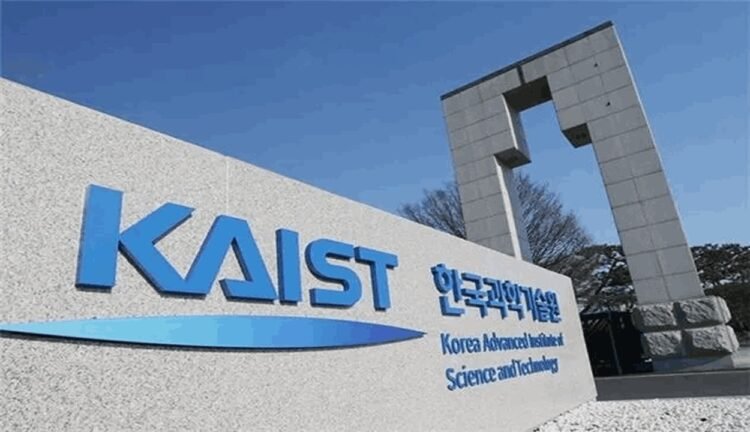
Advanced Artificial Intelligence: A South Korean research collaboration has achieved a major milestone in cancer treatment by developing an advanced artificial intelligence system designed to support the creation of customized cancer vaccines. This innovation is the result of a joint effort between the Korea Advanced Institute of Science and Technology and biotechnology company Neogenlogic. The newly developed AI model focuses on identifying patient-specific cancer markers, opening the door to more precise, durable, and effective cancer immunotherapy solutions that aim to reduce the risk of disease recurrence.
The Need for Personalized Cancer Immunotherapy
Cancer is not a single disease but a complex set of conditions that vary significantly from one patient to another. Tumors in different individuals often contain unique genetic mutations, which means a one-size-fits-all vaccine approach may not provide long-term effectiveness. Personalized cancer vaccines are designed to overcome this limitation by targeting tumor-specific markers that exist only in an individual patient’s cancer cells.
Traditional cancer vaccines have largely focused on stimulating cytotoxic T cells, which are responsible for directly attacking tumor cells. While this approach can be effective in the short term, clinical outcomes have shown that long-term protection and immune memory remain a challenge. This gap has driven scientists to explore additional immune mechanisms that could offer lasting defense against cancer relapse.
Understanding Neoantigens and Immune Fingerprints
At the core of this new AI-driven approach is the identification of neoantigens. Neoantigens are mutated protein fragments that form as a result of genetic changes within tumor cells. Because these protein fragments are unique to cancer cells and absent in healthy tissues, they serve as ideal targets for vaccine development.
These neoantigens act like immune fingerprints, enabling the immune system to distinguish cancer cells from normal cells. When correctly identified and presented through a vaccine, they can train the immune system to recognize and eliminate cancer cells more effectively. However, identifying which neoantigens will generate a strong immune response has historically been a complex and resource-intensive process.
The Role of B Cells in Long-Term Cancer Protection
One of the most significant contributions of this research is its focus on B cell-mediated immune responses. While T cells are critical for immediate tumor destruction, B cells play a vital role in building immune memory. Immune memory is essential for preventing cancer recurrence, as it allows the immune system to respond quickly if cancer cells reappear.
The AI model developed by the research team predicts which neoantigens are most likely to stimulate a strong B cell response. It does this by analyzing structural interaction patterns between mutated peptides and B cell receptors. This dual focus on both B cell and T cell responses represents a major advancement in cancer vaccine design and shifts the scientific perspective toward more durable treatment outcomes.
Scientific Validation and Global Recognition
The findings from this research were published in the December 3 issue of Science Advances, a respected peer-reviewed scientific journal. The study is considered the first of its kind to introduce an artificial intelligence framework capable of predicting B cell immunogenicity alongside T cell responses for personalized cancer vaccine development.
According to the research team, this breakthrough provides concrete scientific evidence supporting the long-suspected importance of B cells in cancer immunotherapy. Until now, researchers lacked effective tools to validate this concept at scale. The new AI framework fills that gap by offering a systematic, data-driven method for neoantigen selection.
Integration into Clinical-Grade Platforms
Neogenlogic has confirmed that the AI technology has been validated using large-scale genomic datasets and clinical trial data sourced from global vaccine developers. The framework has also been fully integrated into the company’s proprietary discovery platform, enabling seamless application in real-world research and development settings.
This integration ensures that the technology is not limited to academic research but is ready for translation into clinical use. By combining advanced machine learning with biological insights, the platform enhances the accuracy and reliability of vaccine candidate selection.
Pathway Toward Clinical Trials
The research team is currently preparing an investigational new drug submission with the U.S. Food and Drug Administration. This step is essential before initiating human clinical trials, which are planned for 2027. The goal is to transform this AI-driven discovery into a clinical-grade personalized cancer vaccine platform.
According to the lead researcher, this transition marks a shift from theoretical prediction to structured clinical application. The collaboration between academia and industry is expected to accelerate the development timeline and ensure that scientific rigor is maintained throughout the process.
A Promising Future for Cancer Treatment
This development represents a significant step forward in the evolution of cancer vaccines. By leveraging artificial intelligence to understand both immediate immune responses and long-term immune memory, the new approach offers hope for more effective and lasting cancer treatments. As clinical trials approach, this innovation may redefine how personalized cancer immunotherapy is designed and delivered worldwide.:
A South Korean research collaboration has achieved a major milestone in cancer treatment by developing an advanced artificial intelligence system designed to support the creation of customized cancer vaccines. This innovation is the result of a joint effort between the Korea Advanced Institute of Science and Technology and biotechnology company Neogenlogic. The newly developed AI model focuses on identifying patient-specific cancer markers, opening the door to more precise, durable, and effective cancer immunotherapy solutions that aim to reduce the risk of disease recurrence.
The Need for Personalized Cancer Immunotherapy
Cancer is not a single disease but a complex set of conditions that vary significantly from one patient to another. Tumors in different individuals often contain unique genetic mutations, which means a one-size-fits-all vaccine approach may not provide long-term effectiveness. Personalized cancer vaccines are designed to overcome this limitation by targeting tumor-specific markers that exist only in an individual patient’s cancer cells.
Traditional cancer vaccines have largely focused on stimulating cytotoxic T cells, which are responsible for directly attacking tumor cells. While this approach can be effective in the short term, clinical outcomes have shown that long-term protection and immune memory remain a challenge. This gap has driven scientists to explore additional immune mechanisms that could offer lasting defense against cancer relapse.
Understanding Neoantigens and Immune Fingerprints
At the core of this new AI-driven approach is the identification of neoantigens. Neoantigens are mutated protein fragments that form as a result of genetic changes within tumor cells. Because these protein fragments are unique to cancer cells and absent in healthy tissues, they serve as ideal targets for vaccine development.
These neoantigens act like immune fingerprints, enabling the immune system to distinguish cancer cells from normal cells. When correctly identified and presented through a vaccine, they can train the immune system to recognize and eliminate cancer cells more effectively. However, identifying which neoantigens will generate a strong immune response has historically been a complex and resource-intensive process.
The Role of B Cells in Long-Term Cancer Protection
One of the most significant contributions of this research is its focus on B cell-mediated immune responses. While T cells are critical for immediate tumor destruction, B cells play a vital role in building immune memory. Immune memory is essential for preventing cancer recurrence, as it allows the immune system to respond quickly if cancer cells reappear.
The AI model developed by the research team predicts which neoantigens are most likely to stimulate a strong B cell response. It does this by analyzing structural interaction patterns between mutated peptides and B cell receptors. This dual focus on both B cell and T cell responses represents a major advancement in cancer vaccine design and shifts the scientific perspective toward more durable treatment outcomes.
Scientific Validation and Global Recognition
The findings from this research were published in the December 3 issue of Science Advances, a respected peer-reviewed scientific journal. The study is considered the first of its kind to introduce an artificial intelligence framework capable of predicting B cell immunogenicity alongside T cell responses for personalized cancer vaccine development.
According to the research team, this breakthrough provides concrete scientific evidence supporting the long-suspected importance of B cells in cancer immunotherapy. Until now, researchers lacked effective tools to validate this concept at scale. The new AI framework fills that gap by offering a systematic, data-driven method for neoantigen selection.
Integration into Clinical-Grade Platforms
Neogenlogic has confirmed that the AI technology has been validated using large-scale genomic datasets and clinical trial data sourced from global vaccine developers. The framework has also been fully integrated into the company’s proprietary discovery platform, enabling seamless application in real-world research and development settings.
This integration ensures that the technology is not limited to academic research but is ready for translation into clinical use. By combining advanced machine learning with biological insights, the platform enhances the accuracy and reliability of vaccine candidate selection.
Pathway Toward Clinical Trials
The research team is currently preparing an investigational new drug submission with the U.S. Food and Drug Administration. This step is essential before initiating human clinical trials, which are planned for 2027. The goal is to transform this AI-driven discovery into a clinical-grade personalized cancer vaccine platform.
According to the lead researcher, this transition marks a shift from theoretical prediction to structured clinical application. The collaboration between academia and industry is expected to accelerate the development timeline and ensure that scientific rigor is maintained throughout the process.
A Promising Future for Cancer Treatment
This development represents a significant step forward in the evolution of cancer vaccines. By leveraging artificial intelligence to understand both immediate immune responses and long-term immune memory, the new approach offers hope for more effective and lasting cancer treatments. As clinical trials approach, this innovation may redefine how personalized cancer immunotherapy is designed and delivered worldwide.